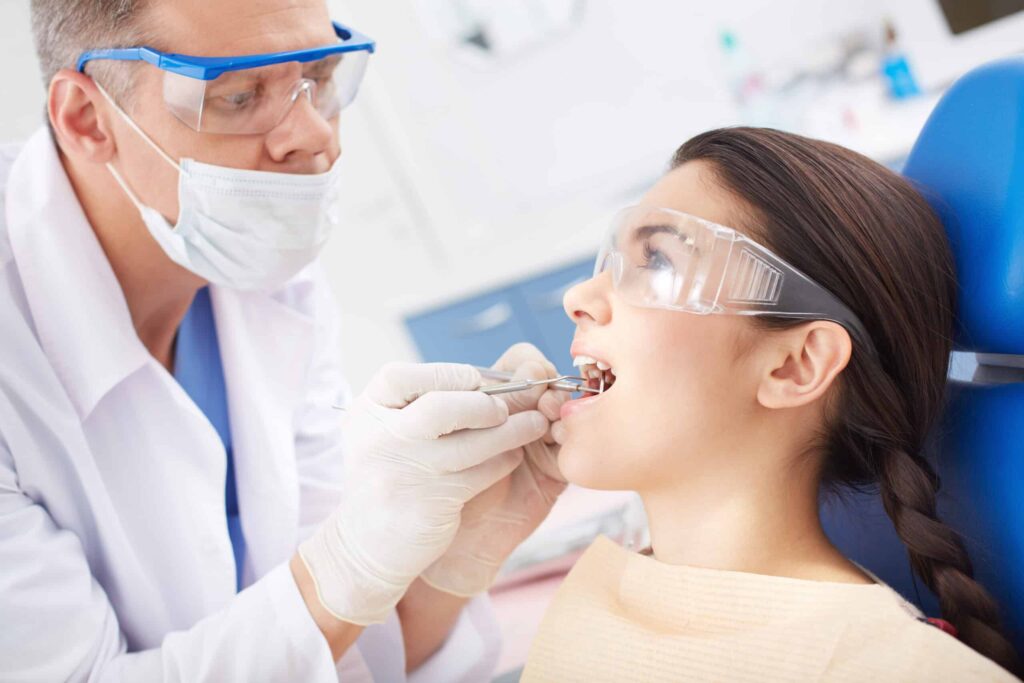

You might skip checkups when your teeth feel fine. You are not alone. Pain often feels like the only warning that matters. Yet most dental problems grow in silence. Small cavities, gum infection, and worn enamel usually start without any clear sign. By the time you notice, damage has already spread and treatment is harder. Preventive dentistry changes that story. Regular cleanings, exams, and simple home habits stop small issues from turning into emergencies. You keep your smile strong, your breath fresh, and your medical bills lower. You also protect your heart, lungs, and blood sugar, because mouth health links to the rest of your body. A trusted dentist in Monterey Park CA can spot early change, guide you through simple steps, and help you stay ahead of problems. You deserve care before pain forces you into the chair.
Hidden problems that start with no pain
Healthy teeth can hide quiet damage. You might see white and bright teeth in the mirror and still have early decay or gum infection. Many people only learn this during a routine exam. That can feel unfair. It is also honest.
Here are common problems that often start without pain:
- Small cavities between teeth
- Gum infection that makes gums bleed during brushing
- Enamel wear from grinding at night
- Old fillings that leak and trap germs
- Early oral cancer spots on the tongue or cheeks
Each one is easier and cheaper to treat when found early. The Centers for Disease Control and Prevention explains that tooth decay and gum disease often start before you notice any pain or swelling. You can think of preventive care as a smoke alarm that sounds long before the fire grows.
Why routine visits matter even when you feel fine
A preventive visit gives you more than a polish. It is a full check of your mouth, gums, and bite. You also get clear advice that fits your daily life. During a visit, your dental team can:
- Remove hardened plaque that brushing and flossing miss
- Check gums for early infection and measure gum pockets
- Look for small cracks or weak spots in teeth
- Review brushing and flossing habits with you
- Check for signs of clenching, grinding, or dry mouth
- Screen for oral cancer
The National Institute of Dental and Craniofacial Research shares that gum disease links to heart disease and diabetes. Your mouth is part of your body. You protect more than teeth when you keep up with care.
Prevention versus waiting for problems
Many families weigh cost and time. It can feel easier to wait until something hurts. Yet waiting often leads to longer visits and higher fees. This table shows a simple comparison for common issues. Costs are sample ranges, not exact prices.
| Issue | If found early | If you wait for pain |
|---|---|---|
| Tooth decay | Small filling. Short visit. Lower cost. | Root canal and crown. Longer visit. Much higher cost. |
| Gum infection | Deep cleaning and home care plan. | Loose teeth. Tooth loss. Possible surgery. |
| Grinding teeth | Night guard and stress plan. | Broken teeth. Jaw pain. Crowns or extractions. |
| Oral cancer | Early biopsy and treatment. Better outcome. | Later stage disease. Tougher treatment. |
Routine care acts like a shield. You still face risk, but you catch damage early and keep more control over choices and cost.
Simple daily steps that protect your mouth
You hold most of the power over your mouth health at home. Small daily habits make a real difference. You can:
- Brush twice a day with fluoride toothpaste
- Floss once a day to clean between teeth
- Limit sugary drinks and snacks to mealtimes
- Drink water through the day
- Use a mouthguard for sports
- Stop smoking or vaping
These steps sound simple. They also work. When you pair them with regular checkups, you cut your risk of cavities and gum infection. You also teach children that care is normal, not scary.
How often you should go
Most people do well with a visit every six months. Some need visits more often. That can include people who:
- Have diabetes
- Smoke or use tobacco
- Have a history of gum disease
- Take medicines that cause dry mouth
- Wear braces or clear aligners
Your dentist will suggest a schedule that fits your mouth and your health. You can ask why that schedule is right for you. Clear answers build trust.
Helping children build strong habits early
Children learn from what you do. When you treat checkups as normal, they grow up with less fear and more control. You can:
- Start visits by age one or when the first tooth comes in
- Brush your teeth at the same time as your child
- Use simple words and avoid scary stories about the dentist
- Reward effort, like brushing twice a day, not just perfect results
Early care for children can prevent decay in baby teeth, protect speech, and support healthy eating. It can also spare your child from emergency visits that cause stress and time away from school.
Taking the next step
You do not need to wait for pain to earn care. Preventive dentistry respects your time and your money. It spots early change, protects your body, and keeps your smile ready for daily life. You can start with one choice. Call for a checkup. Put it on the calendar. Then keep brushing, flossing, and asking clear questions about your care.
Your teeth feel healthy today. You can keep them that way with steady, quiet steps that protect you long before pain shows up.
Apart from that, if you want to know more about The Importance Of Regular Dental Visits For Tracking Growth Patterns then visit our Health category.