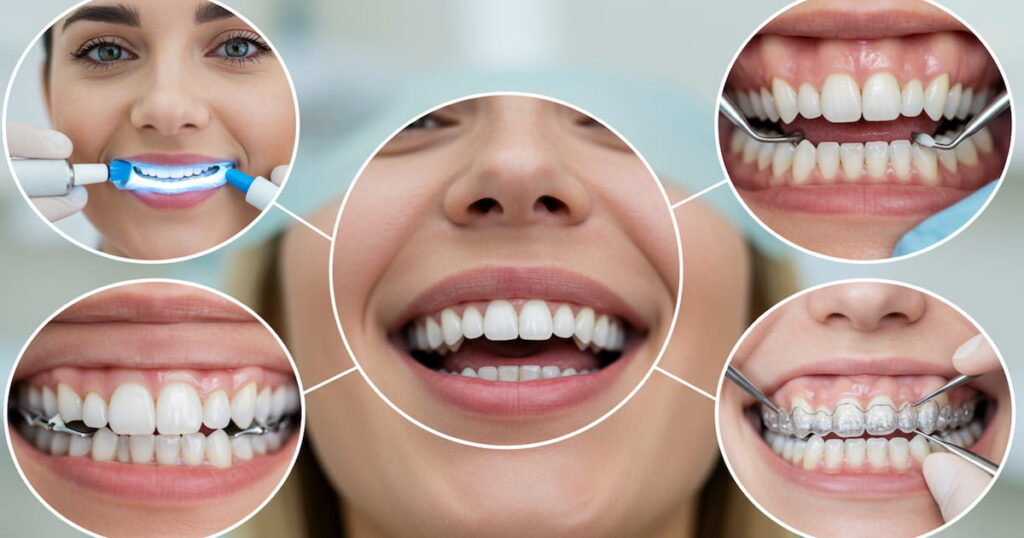


Braces and aligners can straighten your teeth. They can also trap food and plaque that hurt your gums and enamel. During orthodontic treatment, you face a higher risk of cavities, white spots, and bad breath. You may feel frustrated. You might even think good brushing is impossible with all that hardware in your mouth. It is not. You just need a clear plan and a few daily habits. This guide explains how to clean around brackets and wires, what to eat, and what to avoid. It also shows when to call your orthodontist Torrance CA for help. You learn simple steps that protect your teeth while they move. You keep your smile strong during treatment. You also protect your results after the braces come off.
Why Braces Raise Your Risk For Cavities
Brackets, wires, and clear trays create new hiding spots for plaque. Plaque is a sticky film of germs. These germs feed on sugar and then release acid. The acid eats away at enamel. This leads to white spots and cavities.
With braces or aligners you face three main problems.
- Food sticks around brackets and under wires.
- It becomes harder to brush and floss every tooth.
- Saliva has a harder time rinsing your teeth clean.
The Centers for Disease Control and Prevention explains how plaque and sugar cause decay and gum disease.
Daily Brushing: Simple Steps That Work
You need to brush more often during treatment. Most people need to brush three times each day. Aim for morning, after the main meal, and before bed.
Use this routine.
- Rinse your mouth with water to loosen food.
- Use a soft toothbrush with fluoride toothpaste.
- Angle the bristles toward the gumline and brush in small circles.
- Brush above the brackets. Then brush below the brackets.
- Brush the chewing surfaces and the inside surfaces.
- Brush your tongue to cut down on bad breath.
Electric brushes can help you clean better with less effort. The American Dental Association gives clear brushing tips on its \MouthHealthy brushing guide.
Flossing Around Braces Without Stress
Flossing feels hard with braces. It still matters. Floss removes sticky plaque between teeth where your brush cannot reach.
You have three main choices.
- Standard floss with a floss threader.
- Pre threaded ortho flossers.
- Water flosser that sprays a focused stream of water.
Try this method at night.
- Use a threader to slide floss under the wire.
- Gently move the floss up and down against each tooth.
- Curve it around the tooth in a C shape.
- Repeat between every tooth.
Water flossers help if your gums bleed or feel sore. You still need regular floss a few times each week to scrape plaque from the surface.
Smart Food Choices During Treatment
What you eat can protect your teeth or hurt them. Sticky and hard foods break brackets and feed plaque. Soft and plain foods protect your teeth and your braces.
| Food Type | Better Choices | Risky Choices |
|---|---|---|
| Snacks | Plain yogurt, cheese, soft fruit, nuts if chopped | Caramel, gummies, hard candy, popcorn |
| Meals | Soft-cooked vegetables, pasta, rice, eggs | Hard crust pizza, whole apples, corn on the cob |
| Drinks | Water, plain milk, unsweet tea | Soda, sports drinks, sweet coffee drinks |
| Desserts | Fruit, pudding, smoothies without added sugar | Sticky candy, hard cookies, chewy bars |
Try to limit sugar to mealtimes. You then give your mouth time to recover between meals. Water should be your main drink.
Fluoride And Mouth Rinses
Fluoride makes enamel stronger. It helps stop early decay. During orthodontic treatment, fluoride gives extra protection around brackets.
You can use three sources.
- Fluoride toothpaste twice each day.
- Fluoride mouth rinse once each day.
- Fluoride treatments from your dentist as advised.
Use a pea sized amount of toothpaste. Spit out the foam. Try not to rinse with water right away. Let the fluoride sit on your teeth.
Protecting Gums And Avoiding White Spots
Gums react fast when plaque builds up. They swell and bleed. This is gum disease. With braces, gum disease can move faster if you ignore it.
Watch for these signs.
- Gums that bleed when you brush or floss.
- Swollen or tender gums.
- Bad breath that stays even after brushing.
White spots often show up around brackets. These spots are early decay scars. They form when plaque sits in one spot day after day.
You can prevent them if you.
- Brush near the gums and around each bracket.
- Limit sugar and sticky snacks.
- Use fluoride as your dentist suggests.
Aligners Need Care Too
Clear aligners avoid wires. They still trap germs if you sleep or eat with them in. You also bathe your teeth in sugar if you drink soda or juice with trays on.
Use this plan.
- Remove trays before every meal or snack.
- Rinse your mouth and trays with water.
- Brush your teeth before you put trays back in.
- Clean trays with a soft brush and clear soap. Avoid hot water.
Keep trays in the case when you are not wearing them. Do not wrap them in tissue. They get lost or broken.
Regular Visits And When To Call For Help
Routine care is more effective after treatment if you protect your teeth during treatment. You still need regular exams and cleanings. Your dentist checks for early decay, gum disease, and white spots. Your orthodontist checks how your teeth move and how the braces hold up.
Call your orthodontist if you notice.
- A loose bracket or wire.
- Sharp edges that cut your cheeks or tongue.
- Swelling or pain that does not improve.
Quick fixes protect your teeth and shorten your treatment time.
Keeping Your Smile Strong After Braces
When the braces come off, your teeth look straight. They also stay at risk for decay if habits slip. The first year after treatment matters.
Keep these three steps.
- Wear your retainer as directed.
- Continue brushing and flossing every day.
- See your dentist for regular cleanings and exams.
With steady daily care, you protect both your health and your new smile. You also give your child or yourself a sense of control during treatment. Each small step adds up to strong teeth, healthy gums, and fresh breath that lasts.
Apart from that if you want to know about Why Consistency With A General Dentist Builds Trust And Confidence then please visit our Health Category.