

Crooked teeth can drain your confidence and strain your mouth. You may hide your smile or avoid photos. You may also feel pain when you chew. Orthodontic care can fix these problems. You only need to understand your choices. This blog explains 5 common orthodontic treatments every patient should know. You will see how each one works. You will also learn what you can expect during care. A Carmel, Indiana orthodontic clinic might use one or more of these treatments to move your teeth into better positions. Some options use metal. Others use clear plastic. Some focus on children. Others help adults. Each one can change how you eat, speak, and smile. With clear facts, you can talk with your orthodontist and ask direct questions. You can then choose a treatment that fits your life, your budget, and your goals.
1. Traditional metal braces
Metal braces are the most common orthodontic tool. They have been used for many years. They treat simple and complex tooth problems.
Braces use three main parts.
- Small metal brackets on each tooth
- A thin wire that runs through the brackets
- Elastic ties that hold the wire in place
The wire puts steady pressure on your teeth. Then your teeth move a small distance over time. Your orthodontist changes the wire on a regular schedule. That keeps your teeth moving in the right direction.
You can expect these steps.
- Placement visit to bond brackets and attach the first wire
- Checkups about every 4 to 8 weeks
- Careful brushing and flossing around brackets and wires
Braces often stay on for 18 to 24 months. The exact length depends on how far your teeth must move.
2. Clear aligners
Clear aligners use thin plastic trays instead of brackets and wires. Each tray is shaped a little closer to your target smile. You change to a new tray every one to two weeks.
Aligners work best when you wear them 20 to 22 hours each day. You remove them only for meals and cleaning. You also remove them to brush and floss. This makes daily care simple.
You can expect this process.
- Digital scan or mold of your teeth
- A custom set of trays made in a lab
- Short checkups to track progress
Clear aligners can treat crowding, small gaps, and some bite problems. They may not fix every issue. Your orthodontist will tell you if your case needs braces instead.
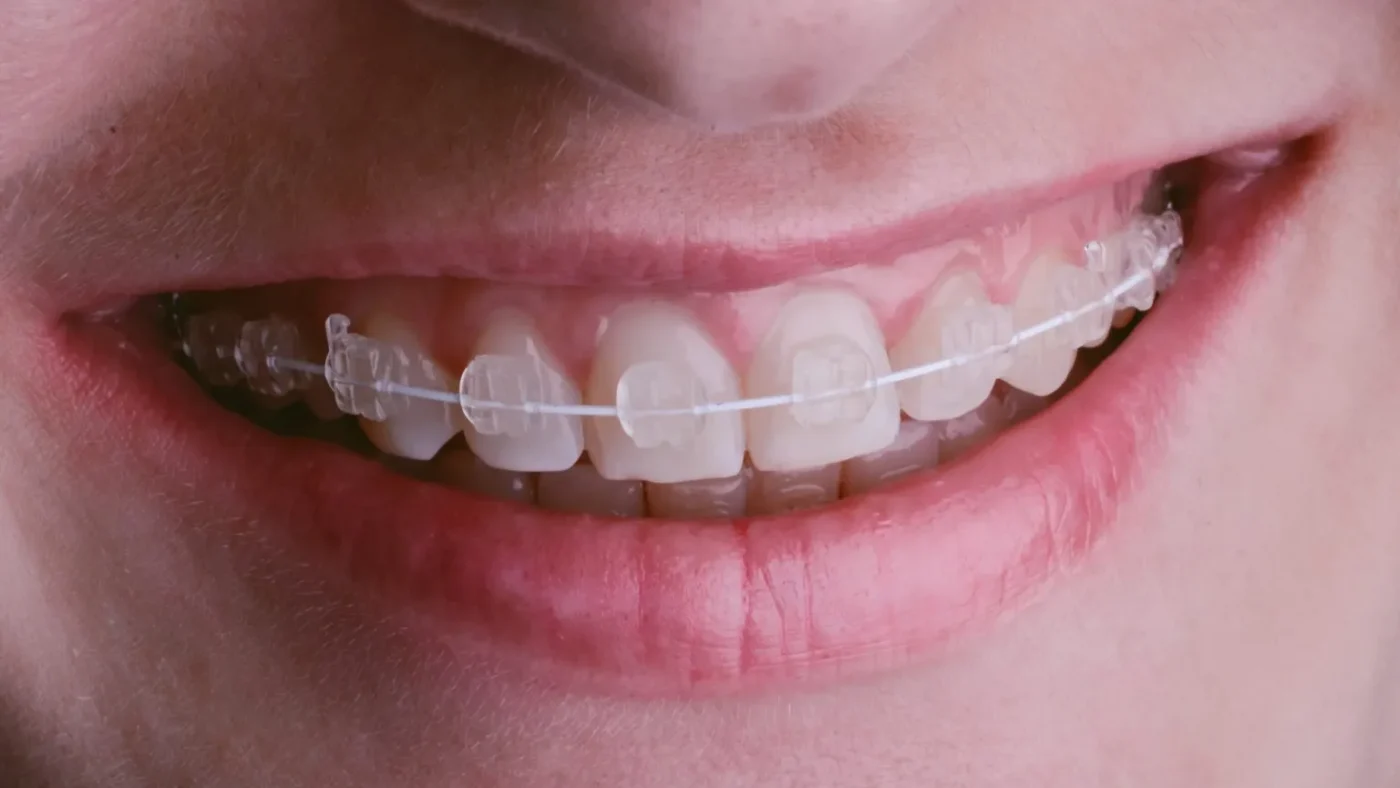
3. Ceramic or clear braces
Ceramic braces work like metal braces. The difference is the material. The brackets use tooth colored or clear material. The wire may also be light in color.
These braces blend with your teeth. That can ease worry if you feel nervous about how you look at school or at work. They cost more than metal braces in many clinics. They can also chip if you bite hard food.
Daily care is the same.
- Brush after every meal
- Use floss threaders or small brushes between teeth
- Avoid sticky and very hard food
For many adults, ceramic braces give a quiet way to straighten teeth while keeping strong control over movement.
4. Palatal expanders
Palatal expanders widen the upper jaw. They are most common for children. A child’s upper jaw has two halves. Those halves fuse in the teen years. Before then, gentle pressure can guide growth.
An expander fits on the upper teeth near the roof of the mouth. A small key turns a center screw on a set schedule. That turn pushes the halves of the upper jaw apart by a tiny amount.
Your child may feel pressure in the nose or cheeks for a short time after each turn. That should fade quickly. Speech and eating may feel strange at first. Practice and time help.
Palatal expanders can:
- Create space for crowded teeth
- Improve crossbites
- Help the tongue rest in a better spot
The American Dental Association explains how orthodontic treatment can guide growth in children. You can use that resource when you plan care for your child.
5. Retainers
Retainers keep your teeth in their new places after treatment. Teeth can slowly shift back. That loss can undo years of effort. A retainer stops that slide.
There are two main types.
- Removable retainers that you take out to eat and to clean
- Fixed retainers that use a small wire behind the front teeth
Your orthodontist will tell you how long to wear your retainer each day. At first, you may wear it full-time. Later, you may switch to night only. Many people need some retainer wear for life.
The National Institutes of Health notes that relapse is common when people stop using retainers.
Comparison of common orthodontic treatments
| Treatment | Best for | Visibility | Removable | Typical treatment length |
|---|---|---|---|---|
| Metal braces | Most tooth and bite problems | High | No | 18 to 24 months |
| Ceramic braces | Teens and adults who want a quieter look | Medium | No | 18 to 24 months |
| Clear aligners | Mild to moderate crowding or spacing | Low | Yes | 12 to 18 months |
| Palatal expander | Children with narrow upper jaw | Medium | No | 6 to 9 months |
| Retainer | Anyone after treatment | Low | Often | Ongoing |
How to choose the right treatment
Three things guide your choice.
- Your mouth. The type and strength of your bite problem
- Your life. Work, school, and sports needs
- Your budget. What insurance and family funds can cover
A clear talk with your orthodontist is the strongest step. Ask what each option can do for your teeth. Ask what it cannot do. Ask about time, cost, and daily limits.
Orthodontic care is a serious change. It is also a chance for a steady, strong smile that can last many years. With good facts and honest questions, you can choose the treatment that fits you and your family.
Apart from that if you want to know about How Family Dentistry Builds Trust For Lifelong Oral Care then please visit our Health Category.