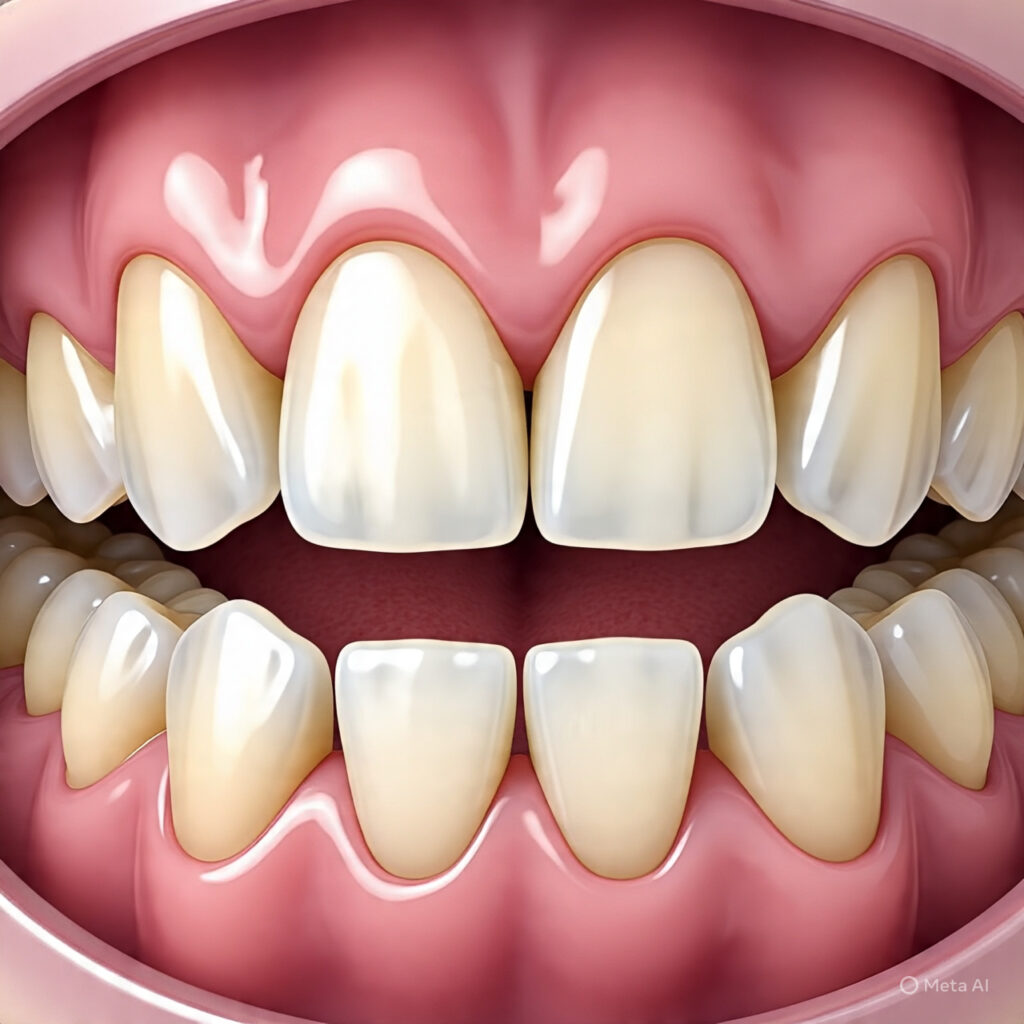


Your child’s mouth changes every month. Teeth shift. Jaws grow. Small problems can grow into painful ones before you notice. Regular dental visits let you track these changes with clear eyes and steady hands. During these visits, your dentist watches how teeth come in, how the bite lines up, and how the jaw grows. Early changes often need simple fixes. Late changes often need longer and harder treatment. You want the first option. A dentist in Sun City West, AZ can spot warning signs you cannot see at home. Crooked teeth. Crowding. Mouth breathing. Teeth grinding. These all affect how your child eats, sleeps, and speaks. Routine checkups give you a record of growth over time. They also give your child steady care and calm habits. You do not wait for a house to crack before you check its frame. You should not wait for teeth to hurt either.
Why growth tracking matters for your child
Teeth do more than chew. They guide speech, breathing, and jaw strength. When growth drifts off track, the effects reach the whole body. You might see your child chew on one side. You might hear snoring. You might notice a tight mouth in every photo. These are not small quirks. They are early signs that growth needs close watching.
During regular visits, the dentist checks three things.
- How baby teeth fall out and adult teeth come in
- How upper and lower teeth meet when your child bites
- How the jaw and face shape change over time
Each visit adds one more piece to your child’s growth story. With a clear record, the dentist can say what is normal for your child and what is not. That record is hard proof, not guesswork based on one rushed visit during pain.
What happens during a growth focused dental visit
Routine visits do more than clean teeth. They create a steady health log. At most visits, the dentist or hygienist will:
- Look at gums, cheeks, and tongue for swelling or sores
- Count teeth and check which ones are loose or missing
- Review brushing and flossing habits with you and your child
- Ask about sleep, mouth breathing, or teeth grinding
At set ages, the dentist may also use simple tools to track growth.
- Growth charts. Notes on which teeth should be in the mouth at each age
- Photos. Pictures of the smile and jaw from the front and side to compare over time
- X rays. Images that show adult teeth forming under the gums and jaw bone shape
The American Dental Association explains that these visits help catch decay and growth problems early, long before pain starts.
How often should your child see the dentist
The general rule is simple. You should schedule a visit every six months. Some children need more visits when growth moves fast or when problems have started. Children with braces often need extra checks.
The American Academy of Pediatric Dentistry states that the first visit should happen by age one or within six months after the first tooth comes in. That advice is clear and strict. Early visits give a baseline. Later visits measure change from that point.
Regular timing helps you and your child.
- You plan ahead and avoid crisis visits
- Your child sees the office as a normal part of life
- The dentist can spot slow changes that build over months
Common growth problems regular visits can catch
Many growth problems start small. They do not cause pain at first. A trained eye can see them long before they bother your child.
- Crowded teeth. Not enough space for teeth to line up. This can trap food and raise decay risk
- Crossbite. Upper teeth bite inside lower teeth. This can wear down teeth and push the jaw off center
- Open bite. Front teeth do not touch when your child bites. This can link to thumb sucking or tongue habits
- Overbite or underbite. Upper or lower jaw sticks out too far. This can affect chewing and speech
- Grinding or clenching. Worn or flat teeth from stress on the jaw during sleep
When caught early, many of these patterns can be eased with simple tools like space maintainers, habit guides, or short orthodontic plans. When ignored, they often need longer and more costly care.
Sample growth milestones by age
Every child grows at a different pace. Still, some patterns are common. Use this table as a rough guide. Your dentist will adjust it to your child.
| Age | Typical growth pattern | What the dentist checks |
|---|---|---|
| 1 to 3 years | Most baby teeth appear | Tooth eruption order, early cavities, thumb or pacifier habits |
| 4 to 6 years | Jaw grows, spaces form between baby teeth | Space for adult teeth, mouth breathing, early grinding |
| 6 to 8 years | First adult molars and front teeth come in | Bite alignment, crowding, brushing skills |
| 9 to 12 years | Most baby teeth fall out, more adult teeth appear | Jaw growth, crossbites, need for orthodontic review |
| 13 to 17 years | Adult teeth finish coming in, wisdom teeth form | Final bite, wisdom tooth position, grinding from stress |
Your role between visits
You see your child every day. That gives you power. You can spot small changes that a dentist only sees twice a year. Watch for:
- New mouth breathing during sleep or play
- Snoring or pauses in breathing at night
- Frequent cheek or lip biting
- Jaw pain, morning headaches, or chewing on one side
- Teeth that look more crowded than they did in past photos
You can help by keeping simple habits steady.
- Brush two times a day with fluoride toothpaste
- Floss once a day when teeth touch
- Offer water instead of sweet drinks between meals
- Use a mouthguard for sports once permanent teeth come in
Why early action protects your child’s future
Small steps now protect your child from pain, missed school, and costly care later. Regular dental visits build a clear growth record. That record lets your dentist guide you with facts over years, not guesses in a single visit.
You give your child more than clean teeth. You give comfort, clear speech, steady sleep, and a strong smile during key years of growth. You would not wait for a car engine to fail before you check the oil. You should treat your child’s growing mouth with the same care and urgency.
If you want to know about How General Dentistry Detects Bite Alignment Issues Early then visit our Health category.