

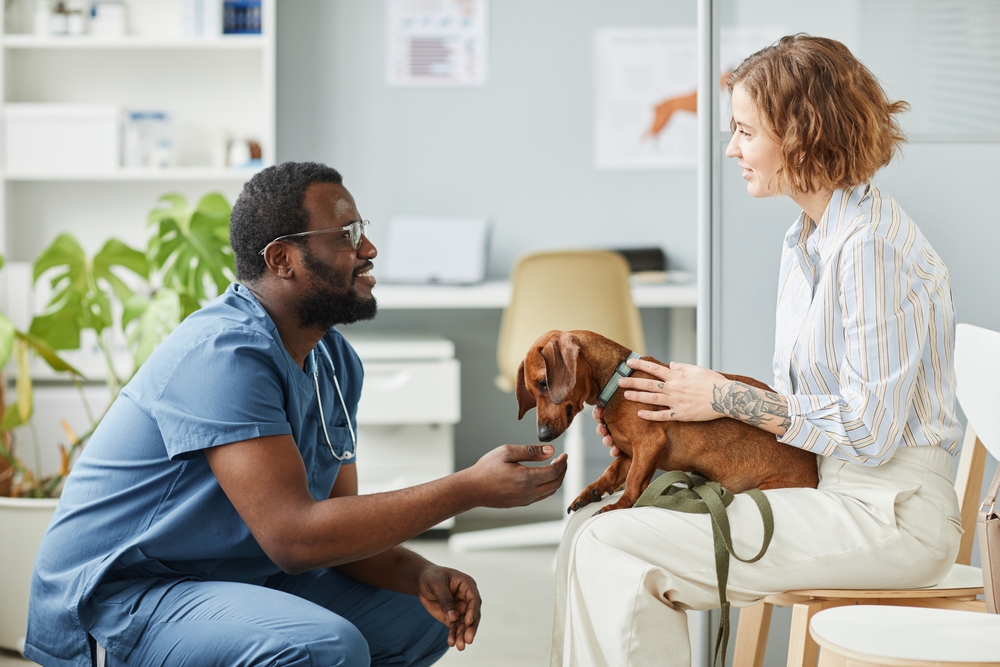
You might not think about an animal hospital until something changes. Maybe your dog stops eating, your cat starts hiding, or a small shift in energy turns into a worry you cannot shake. Before that moment, it is easy to assume food, walks, and love are enough. After that moment, you see how much your pet depends on steady medical care, not just in emergencies, but across every stage of life, including a pet wellness exam in Surrey, BC. That is really the heart of Why Animal Hospitals Are Essential For Long Term Pet Health. They help catch problems early, guide you through hard choices, and give your pet a better chance at a longer, more comfortable life.
For many pet owners, the stress is not only emotional. It is also practical. You may wonder how often your pet needs checkups, what care matters most, or whether routine visits are worth the cost. Because of this tension, you might ask a simple question. Is an animal hospital only for sick pets, or is it part of keeping a healthy pet well? In most cases, the answer is clear. Ongoing veterinary support is one of the strongest ways to protect your pet’s health over time. Also worth reading: Domestic Shorthair Cats.
What changes when an animal hospital becomes part of your pet’s routine care?
When pets see a veterinary team regularly, small changes are less likely to be missed. Weight gain, dental disease, skin issues, heart changes, joint pain, and early signs of kidney trouble can build slowly. At home, these problems are easy to overlook because they happen bit by bit. In a hospital setting, those patterns stand out.
That matters more than many people realize. A yearly exam is not just a quick look. It gives your pet a baseline. Bloodwork, physical exams, vaccine review, parasite prevention, and behavior updates help create a clearer picture of health over time. If something shifts, your care team can compare it to what came before. That is one reason animal hospitals for long-term pet wellness play such an important role.
There is also the issue of prevention. Pets cannot explain pain, nausea, fear, or fatigue in words. They often keep acting normal until a problem becomes hard to hide. Regular visits help lower that risk. According to the CDC’s healthy pets guidance, routine veterinary care supports both pet health and the health of the people around them, especially when it comes to disease prevention and safe animal handling.
Why can waiting until there is a crisis cost more, both emotionally and financially?
It is understandable to put off care when your pet seems fine. Life gets busy, and vet visits can feel like one more expense on a long list. But waiting often turns a manageable issue into a harder one. A mild ear infection can become severe pain. Early dental disease can lead to tooth loss and infection. A limp that starts once in a while can point to arthritis that worsens without support.
And then there is the emotional toll. In a crisis, decisions happen fast. You may be trying to understand test results, treatment options, and cost estimates while your pet is scared and uncomfortable. That is a hard place to think clearly. An established relationship with an animal hospital changes that experience. Your pet’s history is already known. Your questions feel less rushed. Your choices are better informed.
This is also true for travel and life changes. If you plan to move or travel with your pet, medical records, vaccines, and timing matter. The USDA pet travel process overview shows how detailed pet travel requirements can be. A hospital team can help you stay ahead of deadlines and avoid last-minute problems.
How does an animal hospital support long-term pet care beyond checkups?
Good hospitals do more than treat illness. They help you manage the full arc of your pet’s life. That includes puppy and kitten care, adult wellness, senior screenings, chronic disease management, nutrition advice, dental care, surgery, pain control, and end-of-life support when that time comes.
So, where does that leave you if your pet seems healthy today? In a stronger position than you may think. Preventive care gives you options. It helps your pet stay active longer. It can reduce suffering that might otherwise go unseen. It also builds trust. When your pet is already familiar with the hospital, future visits may feel less stressful for both of you.
That is why many families see a clear difference between occasional vet visits and steady, organized pet hospital care. One reacts to problems. The other works to prevent them, track them, and treat them earlier.
What does routine care at an animal hospital actually help prevent?
| Type of Care | What It Can Catch or Prevent | Why It Matters Long Term |
|---|---|---|
| Annual or twice yearly exams | Weight changes, heart murmurs, pain, skin issues | Finds problems before they become advanced |
| Vaccinations and parasite prevention | Rabies, tick-borne illness, worms, flea-related issues | Protects your pet and lowers health risks at home |
| Dental care | Gum disease, infection, tooth damage | Supports eating, comfort, and organ health |
| Bloodwork and senior screening | Kidney disease, liver issues, diabetes, thyroid changes | Allows earlier treatment and better quality of life |
| Chronic condition monitoring | Arthritis, allergies, heart disease | Helps adjust care as your pet ages |
What can you do now to protect your pet’s health over the long run?
1. Schedule care before there is a problem. If your pet has not had a recent exam, make that the first move. A routine visit creates a medical baseline and gives you a clearer plan for vaccines, diet, dental care, and screenings.
2. Track small changes at home. Watch appetite, thirst, bathroom habits, energy, weight, and behavior. You do not need to guess what they mean. Just write them down and bring them to your appointment. Patterns help your veterinary team spot early concerns.
3. Ask for a long-term care plan. Instead of treating each visit as a separate event, ask what your pet may need over the next year. That can include preventive care, lab work, dental cleaning, senior monitoring, or follow-up visits. A plan often feels less overwhelming than reacting to one issue at a time.
Why does this matter so much when you love your pet like family?
Because love is not only comfort at home. It is also care, planning, and paying attention before things get worse. Pets give so much without asking for much in return, and one of the best ways to honor that bond is to make sure they have medical support through every season of life.
An animal hospital is not just a place you go when something is wrong. It is part of how you keep something precious protected. If you have been putting off that next visit, this may be the right time to take the next step and schedule your pet’s care.
Apart from that, if you want to know more about The Role of Veterinary Technicians in Hospital Care then visit our Pets category.