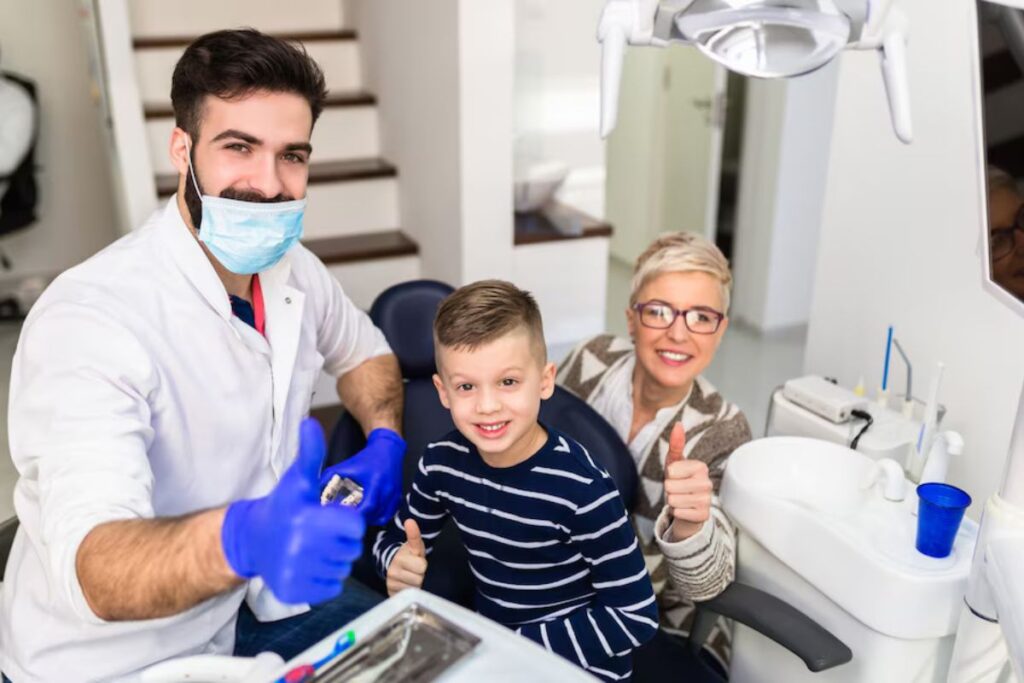


Your mouth changes as you age. Tiny shifts in your bite. Small stains. Bleeding gums that seem to come and go. A family dentist watches these changes over the years, not just during one rushed visit. That long view helps catch decay early, track gum health, and notice warning signs of disease before they turn severe. It also supports your children as their teeth grow and move. Routine cleanings, simple exams, and honest talks about habits all work together. They protect your teeth, your confidence, and your comfort. Some people focus only on quick fixes like San Diego teeth whitening. Cosmetic work has its place. Yet strong routine care with a trusted family dentist does more. It protects your mouth through every stage of life. This blog explains how steady family dentistry guides and guards your oral health over time.
Why one dentist for the whole family matters
You live through clear stages. Childhood. Teen years. Adult life. Older age. Your mouth shifts in each stage. A family dentist tracks those shifts and connects them.
When one office sees parents and children, patterns stand out. Weak enamel, gum problems, and crowding often run in families. Your dentist can watch for these signs early and act before pain starts.
This steady link also means you repeat your story less. Your dentist already knows your history, your fears, and your goals. That trust makes it easier to speak up about pain, shame, or money worries.
How regular visits work like a long-term checkup
Each visit seems simple. A cleaning. An exam. X-rays from time to time. Yet the real strength comes from the record that builds over the years.
- Teeth are checked for tiny soft spots that signal early decay.
- Gums are measured for pockets that hint at disease.
- Bite is watched for grinding, clenching, or jaw strain.
- Soft tissue is checked for sores or color changes.
The dentist compares each visit with the last one. Small shifts that once looked harmless can now show a clear trend. That view over time helps your dentist act at the right moment. Not too late. Not too soon.
You can read how routine visits lower the risk of tooth loss in adults in this guide from the National Institute of Dental and Craniofacial Research.
Tracking oral health across life stages
Common oral health needs by life stage
| Life stage | Main concerns | How family dentistry helps |
|---|---|---|
| Infants and toddlers | First teeth, bottle decay, thumb sucking | Early exams, parent coaching, habit guidance |
| Children | Cavities, crowding, mouth injuries | Sealants, fluoride, growth checks, sports guards |
| Teens | Braces, wisdom teeth, diet, and soda use | Referral for orthodontics, X-rays, honest talks on choices |
| Adults | Gum disease, grinding, stress, pregnancy changes | Deep cleanings, night guards, care plans for new parents |
| Older adults | Tooth loss, dry mouth, medicines, dentures | Denture care, decay checks, dry mouth support, cancer checks |
This steady care keeps the focus on your mouth as a living record of your whole health. Your dentist can spot signs of diabetes, eating problems, or tobacco use and urge you to seek medical care.
Comparing routine family care and quick fixes
Cosmetic services can brighten a smile. Yet they do not replace deep, steady care. The table below shows the difference.
Routine family care compared with quick cosmetic fixes
| Type of care | Main goal | How often | Effect on long term health |
|---|---|---|---|
| Family exams and cleanings | Prevent disease | Every 6 to 12 months | Strong. Catch problems early and cut treatment costs |
| Fluoride and sealants | Protect teeth from decay | As advised for children and some adults | Strong. Lower cavity risk for years |
| San Diego teeth whitening | Lighten tooth color | As wanted | Low. Changes look, not disease risk |
| Cosmetic bonding or veneers | Change shape or cover flaws | Every few years or more | Medium. Helps confidence. Still needs strong basic care |
When you choose, ask one question. Does this treatment guard my health or only my mirror image? Family dentistry keeps both in view, with health first.
The link between your mouth and your body
Your mouth does not stand alone. Gum disease is linked with heart disease, poor blood sugar control, and pregnancy problems. Infections in your teeth can spread and cause deep illness.
A family dentist checks for these risks at each visit. You hear clear advice on brushing, flossing, tobacco, and food choices. You also gain a partner who can share findings with your doctor when needed.
The Centers for Disease Control and Prevention explain this mouth-body link.
Building habits that last
Strong oral health comes from three steady habits.
- Brush twice a day with fluoride toothpaste.
- Clean between teeth every day.
- See your dentist on a set schedule.
A family dentist helps you and your children turn these steps into routine. Simple charts for kids, reminders for adults, and clear talk about money and timing all help you stay on track.
Taking your next step
You do not need a perfect mouth to start. You only need the next visit. Call a trusted family dentist. Share your history and your worries. Ask for a plan that fits your life and your budget.
Your mouth has carried your story for years. With steady family dentistry, that story can move toward less pain, fewer surprises, and stronger health for you and those you love.
Apart from that, if you want to know more about The Benefits Of Maintaining Good Oral Hygiene At Home then visit our Health category.