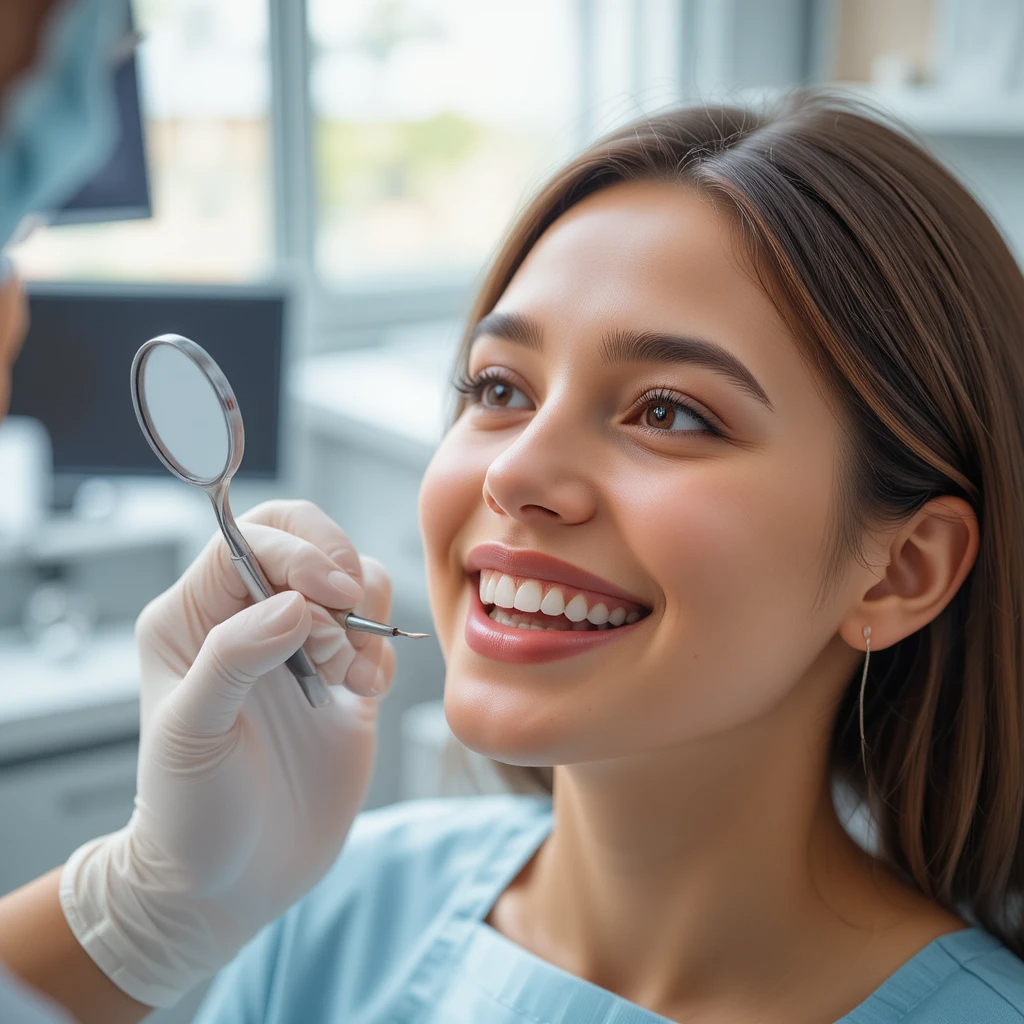

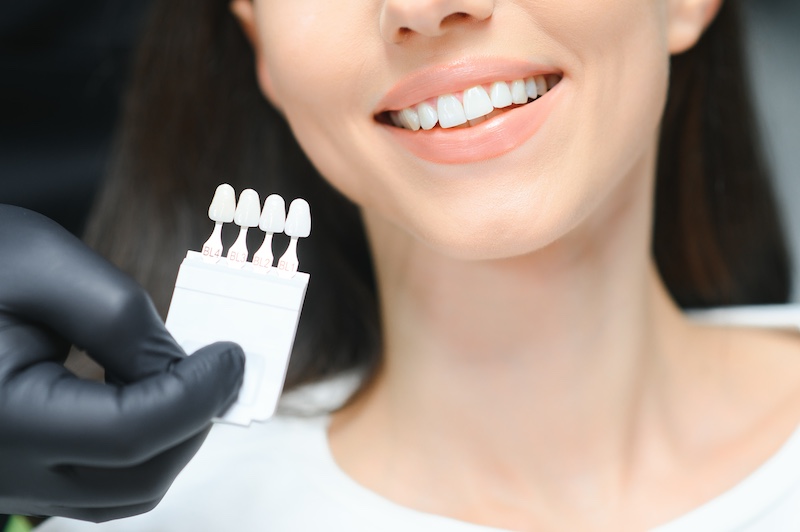
Your smile affects how you move through each day. When you hide your teeth, simple moments like talking, laughing, or meeting someone new can feel tense. You may think fixing your smile will take months of appointments and painful work. That belief keeps many people stuck in quiet shame. In truth, some changes can be fast, gentle, and strong. An Indianapolis family dentist can use modern cosmetic treatments that fit into a lunch break or a short visit after work. These options can close small gaps. They can brighten dark stains. They can smooth chips that remind you of old injuries. Each step is planned with your daily life in mind. You deserve teeth that match your effort, your care, and your story. The next sections explain three quick cosmetic dentistry enhancements that respect your time and protect your comfort.
1. In-office teeth whitening for fast stain removal
Teeth whitening is one of the quickest ways to change how your smile looks. Coffee, tea, soda, and tobacco leave stubborn stains. Age and some medicines also darken teeth. You may feel that these stains are permanent. They are not.
In-office whitening uses a stronger whitening gel than home products. Your dentist protects your gums. Then your dentist places the gel on your teeth for short cycles. The visit often takes about one hour. You leave with teeth that look lighter on the same day.
You still need daily care. You also need realistic goals. Your natural tooth color and past habits shape your results. The change can still feel powerful. A whiter smile can ease tension in photos, work meetings, and school events.
To keep your whiter smile longer, you can
- Brush with fluoride toothpaste twice a day
- Floss once a day
- Limit dark drinks or use a straw
- See your dentist for regular cleanings
The Centers for Disease Control and Prevention explains that strong daily habits protect your mouth and support any cosmetic work you choose.
2. Dental bonding to fix chips, cracks, and small gaps
Dental bonding uses tooth colored resin to repair small flaws. You may have a chipped front tooth from a childhood fall. You may have a short crack or a small gap that catches your eye every time you look in the mirror. Bonding can often fix these problems in one visit.
Your dentist first roughens the tooth surface. Then your dentist applies a conditioning liquid. After that, your dentist places the resin, shapes it, and hardens it with a curing light. The resin is then trimmed and polished so it matches your nearby teeth.
Bonding can help when you want to
- Repair a small chip or worn edge
- Hide a short crack
- Close a minor gap between teeth
- Cover a deep stain on one tooth
Bonding often takes between 30 and 60 minutes per tooth. You usually do not need numbing unless the damage is near a nerve. You can return to work or school right after the visit.
Bonded teeth need the same care as natural teeth. You still brush and floss. You still avoid biting hard objects like ice or pens with your front teeth. With routine care and gentle habits, bonding can last several years.
3. Tooth contouring to smooth and reshape edges
Tooth contouring, also called reshaping, adjusts the edges or surface of your teeth. Your dentist removes small amounts of enamel to change the length, shape, or surface texture. The change is small to the eye yet strong for your confidence.
Contouring can help when you have
- Slightly uneven front teeth
- Small overlaps that bother you
- Pointed or rough edges
- Minor bite high spots that cause wear
The dentist marks the teeth, then uses fine tools to remove tiny layers of enamel. The tooth is then smoothed and polished. There is no recovery time. You leave with teeth that feel smoother and look more even.
Because enamel does not grow back, your dentist will take care to keep the change small and safe. This option works best for minor shape problems. It cannot fix deep cracks or large chips. In those cases, bonding or another method may be better.
Quick cosmetic options compared
You may wonder which option fits your needs and schedule. The table below gives a simple comparison. Actual times and costs vary by person and by office.
| Enhancement | Main goal | Typical time in chair | Number of visits | Helps with | Does not help with |
|---|---|---|---|---|---|
| In office teeth whitening | Lighten overall tooth color | About 60 to 90 minutes | Usually 1 | Stains from food, drinks, tobacco, age | Shape problems, chips, large gaps |
| Dental bonding | Repair or cover single tooth flaws | About 30 to 60 minutes per tooth | Usually 1 | Chips, cracks, small gaps, single dark tooth | Large fractures, deep decay, major bite changes |
| Tooth contouring | Even out length and edges | About 30 to 45 minutes | Usually 1 | Slightly uneven teeth, rough or pointed edges | Deep cracks, big chips, heavy stains |
How to choose the right quick enhancement
Your goals guide the choice. So does your oral health. A trusted dentist will first check for cavities, gum disease, and other problems. The American Dental Association stresses that healthy gums and teeth are the basis for any cosmetic work.
During your visit you can
- Explain what you want to change in three simple words, such as whiter, smoother, or straighter
- Ask how long each option takes
- Ask how long the results may last
- Ask about cost and if parts of the visit relate to health needs
You do not need to feel shame or fear. Many people wait years before asking for help. A short, honest talk with your dentist can clear confusion and ease worry.
Taking the next step with confidence
Quick cosmetic dentistry will not solve every problem. It can still offer great change in a short time. In-office whitening brightens stained teeth. Bonding repairs chips and small gaps. Contouring smooths sharp or uneven edges. Each option respects your schedule and your comfort.
You deserve a smile that feels like it belongs to you. A simple visit can start that change.
Apart from that, if you want to know more about How Cosmetic Dentistry Combines Science With Artistry then visit our Health category.