

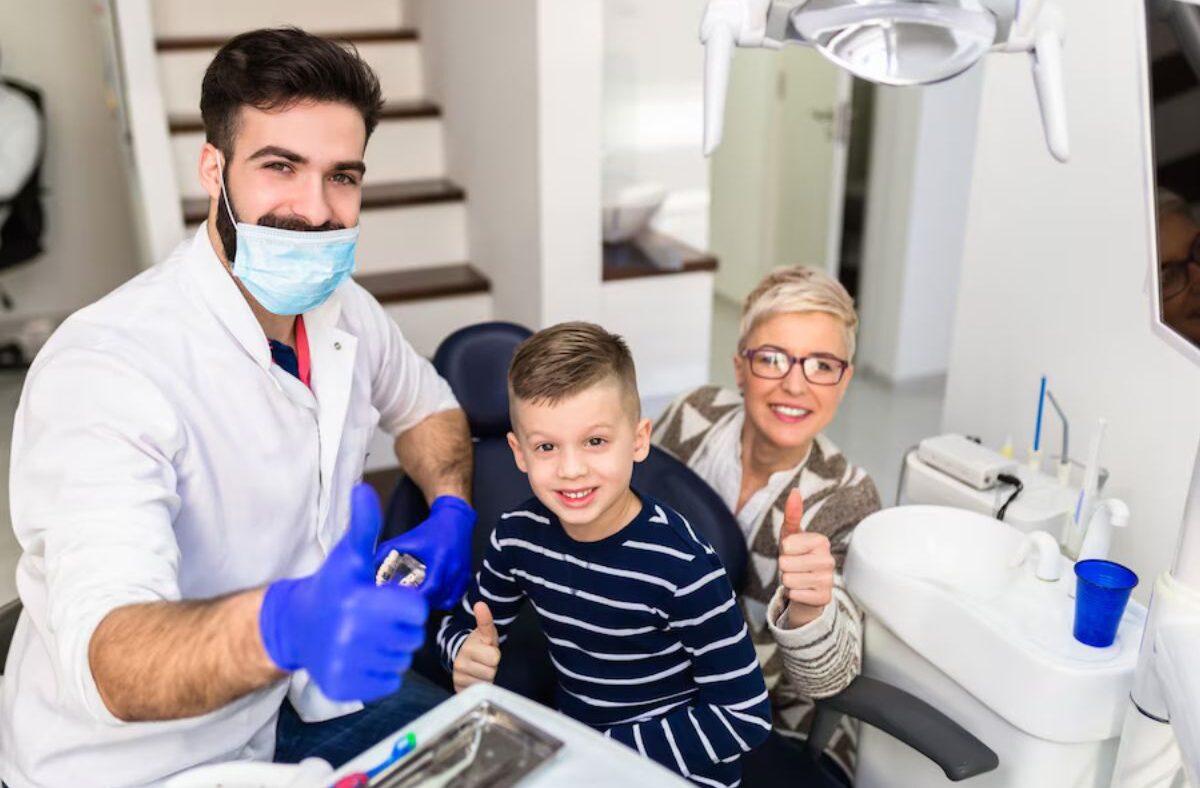
Caring for a child’s mouth starts long before the first cavity. It begins with daily habits, clear guidance, and honest support. You face many questions. When should your child first see a dentist. How do you handle thumb sucking. What if your child fears the chair. A trusted family dentist walks with you through each step. You learn how to clean tiny teeth, choose snacks that protect enamel, and respond when something looks wrong. You also gain calm direction during urgent moments, like a chipped tooth or sudden pain. A Vancouver dentist understands local water, common habits, and school routines that shape your child’s mouth. This practical knowledge matters. It shapes simple routines that protect your child’s smile through the early years.
Why early dental visits matter
Early visits protect your child’s health and your peace of mind. The American Academy of Pediatric Dentistry and the American Dental Association both suggest a first visit by age one or within six months of the first tooth.
During early visits, a family dentist
- Checks for early decay and gum problems
- Looks at how teeth grow and how the jaws fit
- Reviews your child’s medical history
- Shows you cleaning steps you can use the same day
These visits also help your child see the office as a safe place. That trust lowers fear and makes later treatment easier.
Building daily habits at home
Your home routine has the strongest effect on your child’s mouth. A family dentist gives you clear steps that match your child’s age and your family schedule.
General guidance includes three basics.
- Clean the mouth every morning and night
- Limit sweet drinks and sticky snacks
- Use fluoride as your dentist suggests
For babies, you can wipe the gums with a clean, damp cloth. For toddlers, you can use a small soft brush and a smear of fluoride toothpaste the size of a grain of rice. By age three, many children can use a pea-sized amount with your help.
What to expect at each age
A family dentist explains what is normal and what needs care. The table shows common stages and how your dentist supports you.
| Age | What is happening in the mouth | How a family dentist guides you |
|---|---|---|
| 0 to 12 months | First teeth appear. Gums may feel sore. | Shows gum wiping, safe teething care, and bottle habits. Checks early tooth growth. |
| 1 to 3 years | Most baby teeth come in. Eating patterns form. | Teaches brushing steps, snack choices, and cup use. Talks about thumb sucking and pacifiers. |
| 3 to 6 years | Speech and bite change. Some habits fade or grow stronger. | Checks for early cavities. Guides you on flossing, fluoride, and habit control. |
| 6 to 12 years | Adult teeth start to replace baby teeth. | Reviews crowding, bite problems, and injury risk. Plans next steps if braces may help. |
Handling thumb sucking and pacifiers
Thumbs and pacifiers calm many young children. They can also change the way teeth and jaws grow if the habit lasts too long.
A family dentist helps you
- Know when the habit is mild and when it needs action
- Use praise and small rewards instead of shame
- Set simple limits, such as “only in bed”
- Plan next steps if the habit continues past age four or five
Most children stop with gentle support and clear rules. Your dentist gives you simple words to use so your child feels safe, not blamed.
Preventing early childhood cavities
Tooth decay in young children is common. It is also preventable. Family dentists focus on three main tools.
- Fluoride. Your dentist checks your water and suggests toothpaste and sometimes varnish.
- Sealants. For older children, clear coatings on back teeth can block food from settling in deep grooves.
- Diet changes. Simple shifts in snacks and drinks reduce sugar contact with teeth.
You can ask your dentist to review your child’s daily menu. Together, you can pick safer snacks that your child will still accept.
Easing fear and building trust
Fear often grows from surprise and not knowing what to expect. A family dentist understands this and uses plain words and gentle steps.
Support can include
- Short “happy visits” with no treatment
- Letting your child hold a mirror or toothbrush
- Explaining tools in simple terms before use
- Letting you stay in the room when helpful
Over time, your child links the office with praise, small wins, and care. That memory makes later care less tense for everyone.
When urgent problems happen
Chipped teeth, sudden pain, or mouth injuries can strike without warning. In these moments, a calm voice from a trusted family dentist matters.
Your dentist can
- Tell you by phone what to do right away
- Fit your child in quickly when needed
- Explain what is safe to watch and what needs care now
- Help you plan pain control and follow up
This support keeps you from guessing or searching for random advice when you feel stressed.
Working as a team for your child’s smile
Early childhood oral care works best when you and your family dentist act as partners. You bring knowledge of your child’s moods, habits, and fears. Your dentist brings training and experience with many families and many problems.
With this team, you can
- Set clear goals for brushing and diet
- Catch problems early, when care is easier
- Teach your child that caring for teeth is normal and expected
Each small choice you make today shapes your child’s health, comfort, and confidence for years. Your family dentist is ready to guide you through each step.
Apart from that if you want to know about The Benefits Of Maintaining Good Oral Hygiene At Home
then please visit our Health Category.