

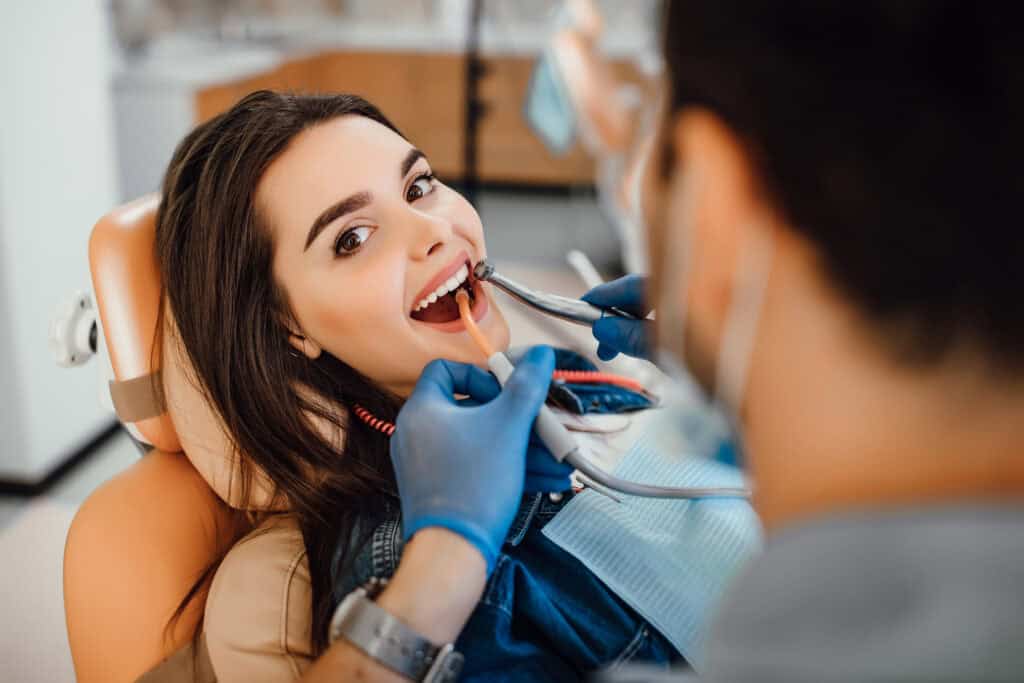
Your smile affects how you move through each day. You notice it in photos, at work, and in quiet moments in front of the mirror. When teeth feel uneven, stained, or worn, you may feel a sharp mix of embarrassment and frustration. You might also fear looking fake after treatment. You deserve results that look real and last a long time. Modern cosmetic dentistry focuses on small, careful changes that match your teeth, gums, and face. You can straighten crowded teeth, repair chips, close gaps, and soften heavy stains while keeping a natural look. This blog explains four trusted options that protect your teeth and keep your smile believable. You will learn how bonding, veneers, whitening, and clear aligners in Hemet ca work, what to expect, and how long results can last. You can then speak with your dentist with clear questions and steady confidence.
1. Dental Bonding for Small Chips and Gaps
Bonding uses tooth colored resin to repair minor damage. A dentist shapes the resin on your tooth, then cures it with a safe light. The result blends with the rest of your smile.
Bonding can help when you want to:
- Cover a small chip or crack
- Fill a tiny gap between teeth
- Hide one stubborn stain
Here is what usually happens:
- The dentist roughens the tooth surface
- The dentist applies the resin and shapes it
- The light hardens the resin
- The dentist trims and polishes the tooth
Bonding often takes one visit. You keep your normal tooth structure. You also avoid shots in many cases. Resin can stain over time, so you protect it with good brushing, regular cleanings, and less dark drinks.
2. Porcelain Veneers for Shape and Color Changes
Veneers are thin porcelain shells that cover the front of your teeth. They change shape, length, and color at the same time. They work well when you need more than a small fix.
Veneers may fit your needs if you want to:
- Mask heavy stains that do not respond to whitening
- Even out teeth that look short or worn
- Close spaces and improve symmetry
The process often takes two or three visits.
- First visit. The dentist trims a small layer of enamel. Then the dentist takes a mold or scan and places temporary covers.
- Lab stage. A lab creates custom porcelain shells that match your mouth and bite.
- Final visit. The dentist checks the fit and bonds the veneers to your teeth.
Porcelain resists stains and reflects light like natural enamel. With careful brushing, flossing, and night guard use when needed, veneers can last many years.
3. Professional Whitening for Deep Stains
Whitening changes the color of your teeth without changing their shape. A dentist uses bleaching gels that are stronger than store products. This helps remove stains from coffee, tea, tobacco, and aging.
You can choose from two main options:
- In-office whitening with stronger gel and light
- Custom trays for home use with lower strength gel
Here is what to expect with professional whitening.
- The dentist checks your teeth and gums for decay or infection
- The dentist records your starting shade
- The dentist applies gel in the office or gives you trays for home use
- You return for checks or touch-ups as needed
Whitening is not a cure for every stain. Teeth with internal discoloration may need veneers or bonding instead. You also protect results by limiting dark drinks and brushing with fluoride toothpaste.
4. Clear Aligners for Straighter Teeth
Clear aligners use a series of plastic trays to move your teeth. Each set of trays makes a small change. You switch to a new set after a short time. Over months, your teeth shift into better alignment.
Clear aligners may help you when you want to:
- Straighten crowded or crooked teeth
- Close spaces
- Correct mild bite issues
Here is a simple outline.
- The dentist takes digital scans or molds
- You get a set of custom trays
- You wear trays most of the day and at night
- You remove trays to eat, drink, and clean your teeth
- You see the dentist for checks and new trays
Clear aligners keep your teeth clean and visible. You avoid metal wires. You still need strong daily brushing and flossing to protect gums and enamel.
Comparison of Cosmetic Dentistry Options
| Procedure | Main Purpose | Best For | Typical Time | Expected Longevity With Care |
|---|---|---|---|---|
| Dental Bonding | Repair small defects | Chips, small gaps, single stains | One visit | Several years |
| Porcelain Veneers | Change shape and color | Worn, uneven, heavily stained teeth | Two to three visits | Many years |
| Professional Whitening | Lighten tooth color | Surface and age related stains | One visit or a few weeks at home | One to three years with touch-ups |
| Clear Aligners | Straighten teeth | Crowding and spacing | Several months to two years | Long term with retainers |
How To Choose The Right Procedure For You
Start with a full exam and a clear talk with your dentist. Ask three key questions.
- What is the main problem? Color, shape, or position
- How much tooth structure will change
- How long will the result likely last
Then match your goal to the tool.
- Use whitening when color is the only concern
- Use bonding or veneers when shape and chips bother you
- Use clear aligners when crowding or gaps are the main issue
Strong oral habits protect every cosmetic result. Brush twice a day with fluoride toothpaste. Floss once a day. Get regular cleanings and checkups. Wear a night guard if you grind your teeth. These small steps keep your smile steady and natural for a long time.
Apart from that, if you want to know more about How Advancements In General Dentistry Are Transforming Checkups then visit our Health category.