

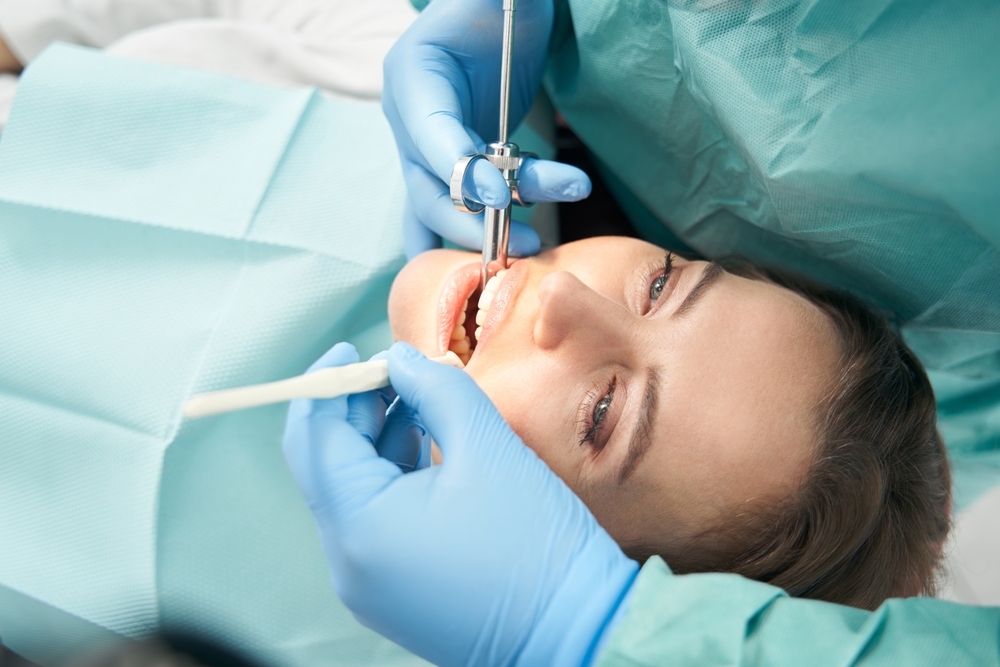
Your mouth does not stand alone. It is part of your whole body, and every choice in your dental treatment should respect that connection. When you plan care with a Santa Rosa dentist, you are not only fixing teeth. You are also protecting your heart, your breathing, your blood sugar, and your daily strength. Chronic gum infection can strain your immune system. Ongoing pain can disturb sleep and mood. Certain medical conditions and medicines can change how your jaw heals or how your gums respond. Thoughtful dental planning starts with your full health history, your current diagnoses, and your daily habits. It then fits treatment steps to your body’s limits and your goals. This approach lowers risk, shortens recovery, and supports long-term stability. Your mouth becomes a doorway to better balance, not a separate problem to patch.
How your mouth and body affect each other
Your gums and teeth link to blood flow, nerves, breathing, and digestion. Infection in one place can spread through the whole system. That is why gum disease is connected with heart disease, stroke, and problems in pregnancy. The Centers for Disease Control and Prevention explains that untreated gum disease can raise the risk for heart issues and blood sugar problems.
Three common body conditions often change dental planning.
- Diabetes. High blood sugar slows healing. It also weakens gum defense. You may need shorter visits, careful infection control, and close blood sugar checks around surgery.
- Heart disease. Some heart medicines dry the mouth or thin the blood. Your dentist may time cleanings and extractions around other heart care and adjust pain control.
- Breathing problems. Sleep apnea and asthma affect how you do during sedation. Your jaw shape and tongue size also matter for breathing during treatment.
Why your medical history matters before treatment
Safe dental planning begins with a full picture of your health. This protects you during care and in daily life. It also helps your dentist avoid clashes with your medicines.
Share these three groups of facts at every visit.
- All current diagnoses, such as heart disease, diabetes, asthma, bleeding problems, and pregnancy.
- All medicines and supplements, including blood thinners, bone strength drugs, and herbal pills.
- All past surgeries, hospital stays, and strong reactions to drugs or shots.
The National Institutes of Health stresses that oral health and body health are closely linked. You can see more details on the NIDCR gum disease and health page. When you share clear health facts, your dentist can tailor treatment, pick safer drugs, and plan healing time that matches your body.
Everyday habits that shape your dental plan
Your daily choices either help healing or slow it. Simple shifts can support both your teeth and your organs.
- Food. Frequent sweet snacks feed mouth germs and raise blood sugar. Balanced meals with lean protein, whole grains, and crunchy fruits help gums and bones.
- Sleep. Poor sleep weakens immune response and pain control. Steady sleep supports healing after fillings, crowns, and surgery.
- Tobacco and vaping. Smoking and vaping reduce blood flow in the gums. They raise the risk for infection, implant failure, and oral cancer.
When your dentist knows your routines, you can build a plan that fits real life. You’re more likely to follow through. You also gain more control over pain and cost.
Comparing whole body planning with tooth only care
The table below shows key differences between treatment that respects whole body health and care that looks at teeth alone.
| Topic | Whole body focused planning | Tooth only planning |
|---|---|---|
| Health review | Full medical history and medicine list checked at each visit | Quick dental chart review with limited health questions |
| Treatment timing | Visits scheduled around heart, diabetes, or pregnancy care | Visits scheduled by calendar openings only |
| Pain and anxiety control | Plans shaped by sleep, mood, and breathing problems | Standard drugs and doses used for most patients |
| Healing support | Clear steps for food, movement, and medicine before and after | Short instructions that focus on the mouth only |
| Long term results | Lower infection risk. Better stability of fillings, crowns, and implants | Higher chance of repeat work and flare-ups |
Planning for children, adults, and older adults
Whole body planning looks different at each life stage. Yet the same three goals stay in place. Protect comfort. Prevent infection. Support growth or aging.
- Children. Dental visits tie into vaccines, growth checks, and diet talks. Sealants and fluoride pair with guidance on snacks and brushing.
- Adults. Care often centers on stress, work hours, and chronic disease. Night guards, gum care, and tooth repair are linked with blood pressure and blood sugar control.
- Older adults. Many use several medicines and may have dry mouth or limited hand strength. Plans adjust for slower healing, fall risk, and help from caregivers.
Building a safe plan with your dentist and doctor
You deserve a team that talks to each other. Your dentist and doctor can share test results, medicine lists, and concerns. That teamwork cuts the risk of drug clashes and bad reactions. It also gives you one clear message about what to do.
Use these three steps before any major dental work.
- Ask your doctor for a short note on your heart status, blood sugar control, and any bleeding issues.
- Bring a written list of all medicines and doses to the dental visit.
- Request that your dentist send a summary of planned treatment to your doctor when needed.
Taking your next step
Your mouth tells the truth about your health. Bleeding gums, loose teeth, dry mouth, and jaw pain often point to deeper problems. When you plan dental treatment through a whole body lens, you do more than treat pain. You protect your heart. You support your breathing. You steady your blood sugar.
Start by sharing your full health story at your next visit. Ask how your conditions and medicines shape your options. Then choose a plan that respects your limits and your hopes. Thoughtful planning can turn each dental visit into a step toward stronger, whole-body health for you and your family.
Apart from that, if you want to know more about The Role Of Family Dentistry In Monitoring Oral Health Over Time then visit our Health category.