

You might be feeling that quiet panic that comes when a rabbit stops eating, a parrot fluffs up and goes silent, or a guinea pig seems just a little “off” and you cannot tell if it is serious. With dogs and cats, many people know the basics. With birds, reptiles, ferrets, hamsters, and other small companions, the signs can be harder to read, and that uncertainty can feel heavy, which is why finding a reliable veterinary team in DeRidder LA matters. The short answer is this. How Veterinary Clinics Care For Exotic And Small Pets comes down to specialized knowledge, careful handling, species specific exams, and early treatment that can prevent small problems from turning into emergencies.end
That matters because exotic and small pets often hide illness until they are quite sick. By the time you notice a change in appetite, droppings, breathing, or behavior, your pet may already need prompt care. So, where does that leave you? It means finding a veterinary clinic that understands the needs of these animals, and knowing what that care usually looks like, can make the whole situation feel less confusing.
Why do exotic and small pets need a different kind of veterinary clinic care?
Small pets are not just scaled down dogs and cats. A bearded dragon needs heat, UVB light, and close attention to bone health. A cockatiel may struggle because of air quality, stress, diet, or infection. A rabbit’s digestive system can slow down fast, and that can become dangerous in a short time. Because of this, exotic pet veterinary care depends on training that goes beyond standard companion animal medicine.
At a clinic that sees these pets often, the visit usually starts with more than a quick look. The team will ask about habitat, temperature, humidity, lighting, diet, enrichment, cage setup, and any recent changes. That is not extra small talk. It is often the key to the problem. Many illnesses in exotic pets are tied to husbandry, which means how they are housed and cared for every day.
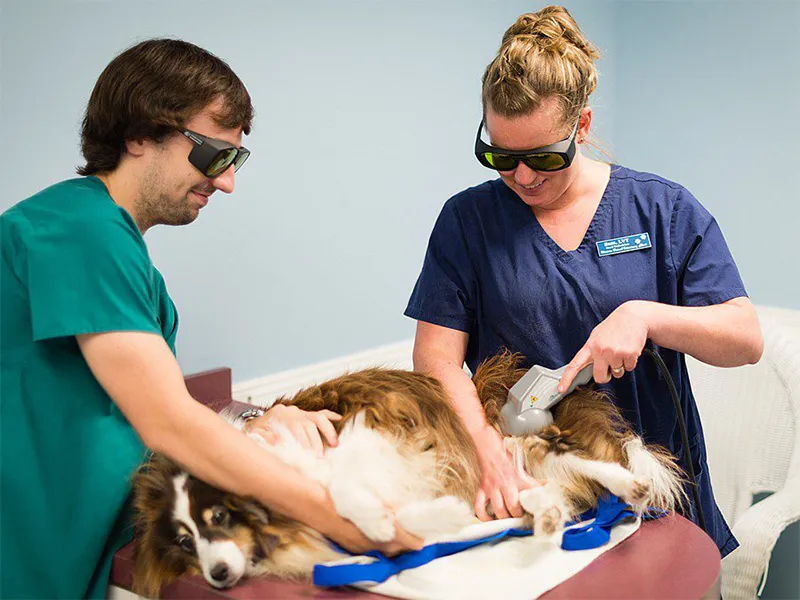
You may also notice gentler, more deliberate handling. That is important. Small prey animals can become stressed quickly, and stress alone can worsen their condition. A skilled veterinary clinic will work to keep the exam calm, brief, and safe while still gathering the information needed to help your pet.
What happens during care for birds, reptiles, rabbits, and other small pets?
Even when symptoms look minor, the exam can be quite detailed. A veterinarian may check weight trends, hydration, breathing effort, body condition, nails, beak or teeth, skin, scales, feathers, fur, and droppings. For some pets, tiny weight loss is a major warning sign. For others, changes in posture or activity tell the story.
If needed, diagnostic tests may include fecal exams, blood work, X rays, cultures, or imaging. In birds, for example, breathing issues and handling need special care because their systems are delicate. The Centers for Disease Control and Prevention offers helpful guidance on healthy bird care and safe household habits on its bird health page. That kind of prevention matters, especially when your pet shares close space with your family.
Some clinics also offer advanced treatment for species that many owners assume are too uncommon for routine medicine. Cornell’s exotic pets service is one example of how wide this care can be, from exams and surgery to nutrition and internal medicine support. That can be reassuring if you have ever worried there might not be real options for your pet.
What makes small animal vet services feel so urgent when symptoms seem mild?
This is one of the hardest parts. A hamster that sleeps more than usual, a rabbit that skips one meal, or a lizard that stays on the cool side of the tank may not seem like an emergency at first. But many small animals are wired to hide weakness. In the wild, showing illness makes them vulnerable. In your home, that means the first obvious sign may come late.
What if your ferret stops playing and starts grinding its teeth? What if your parakeet sits low on the perch, or your tortoise keeps its eyes closed? These are the moments when owners often second guess themselves. They wait, hoping things will pass. Sometimes that happens. Sometimes it does not, and a delay can raise both the medical risk and the cost of treatment.
That is why a veterinary clinic for small pets often focuses on early assessment, supportive care, and owner education. The goal is not to alarm you. It is to help you act while there is still room to correct the problem.
How does home monitoring compare with professional veterinary clinic care?
Home observation matters, and good daily care prevents many issues. Still, there is a clear line between watching closely and trying to manage a medical problem without help. The table below can help you see that difference.
| Situation | Home Monitoring May Help | Veterinary Clinic Care Is Best |
|---|---|---|
| Mild appetite change | Track food intake for a few hours and check for stress or diet changes | If your pet refuses food, loses weight, or seems weak, an exam is needed quickly |
| Habitat concerns | Adjust temperature, humidity, lighting, and cleanliness | If symptoms continue after corrections, testing may be needed |
| Behavior change | Note sleep, activity, droppings, and handling tolerance | If behavior shifts suddenly or comes with breathing changes or pain, seek care |
| Visible injury | Keep the pet quiet and safe | Wounds, limping, falls, or bleeding should be checked by a veterinarian |
In other words, your observations are useful, but they work best when paired with professional care. A good clinic uses what you have noticed at home and builds on it with exams, tools, and treatment plans that fit your pet’s species.
What can you do right now if your exotic pet seems unwell?
1. Start with the basics. Check eating, drinking, droppings, breathing, posture, and energy level. If you can do it without causing stress, weigh your pet and write down any changes. For small animals, a short timeline can be very helpful.
2. Review the habitat. Confirm temperature, humidity, lighting, bedding, and food. Many issues in care for exotic pets begin with setup problems that are easy to miss. Bring photos of the enclosure to the appointment if needed.
3. Do not wait too long to call. If your pet has stopped eating, is struggling to breathe, seems painful, or is acting very unlike itself, reach out to a veterinary clinic promptly. Early care often means simpler treatment and a better chance of recovery.
When you are worried, what matters most?
It is easy to feel unsure when your pet is small, quiet, and hard to read. Still, your concern counts for a lot. You know your animal’s normal habits, and that instinct that something is off is often worth trusting. Veterinary clinic care for exotic and small pets is built around that truth. Small signs matter, species differences matter, and timely support matters.
If your pet is showing changes in appetite, behavior, breathing, or mobility, contact a veterinary clinic that treats exotic and small animals and ask for guidance. A calm, informed next step can make all the difference.
Apart from that, if you want to know more about The Growing Importance of Animal Hospitals in Urban Communities then visit our Pets category.