

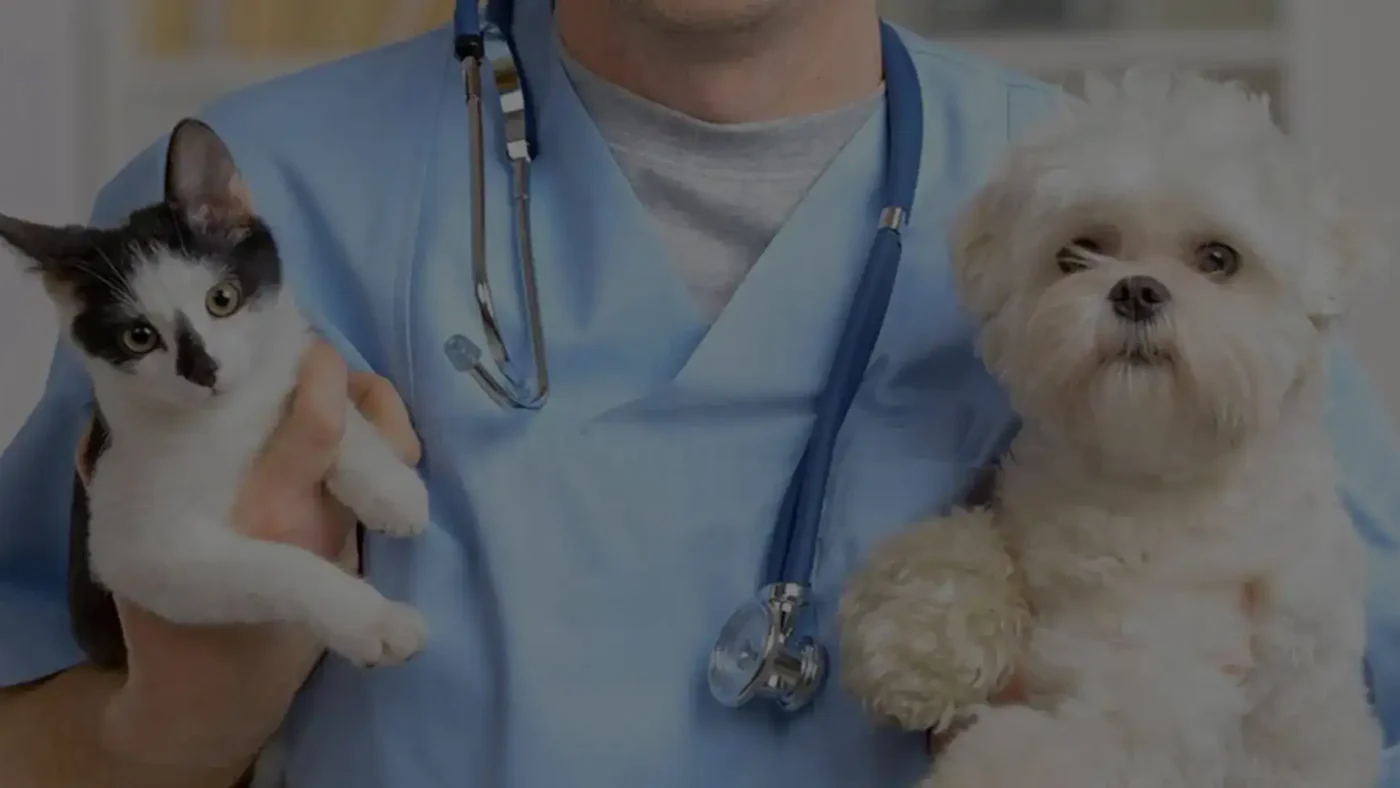
You might be reading this with a knot in your stomach, because something already scared you. Maybe your dog started limping out of nowhere, or your cat vomited several times in one night, and you found yourself staring at the clock wondering if you should rush to the emergency hospital or wait until morning to call a veterinarian in Midlothian, Virginia. That in‑between space is uncomfortable. You do not want to overreact, but you are terrified of missing something serious.
This is where urgent care for pets quietly changes the story. Instead of a choice between “wait and worry” or “full emergency visit,” urgent care gives you a middle path. You get same‑day attention for problems that are not instantly life threatening, and in many cases that quick attention is exactly what prevents a true crisis later. In short, urgent care helps you catch problems early, avoid some late‑night emergencies, and protect both your pet and your wallet.
Why does pet health feel like a constant guessing game
One of the hardest parts of caring for an animal is that they cannot explain what hurts or how long they have felt off. You are left reading body language and tiny clues. A little limping. A slight change in appetite. A new cough. On their own, none of these feel like a “rush to the ER right now” moment, yet they are worrying enough that you cannot relax.
The problem is that some “small” signs are actually early warnings of something serious. A bit of straining in the litterbox can be the start of a life threatening urinary blockage in a male cat. A “simple” upset stomach can be the first sign of a foreign object in a dog’s intestines. You are not supposed to know which is which. That is an unfair burden to carry alone.
Because of this tension, many pet owners either wait too long, hoping symptoms will pass, or head to an emergency hospital that is designed for truly critical cases. Waiting can let a treatable issue turn into a crisis. Going to emergency for everything can be emotionally draining, time consuming, and very expensive.
Urgent care helps bridge that gap. Modern animal urgent care clinics focus on same‑day treatment for non life threatening, but time sensitive problems, such as minor wounds, ear infections, vomiting without collapse, or sudden lameness. The American Veterinary Medical Association has even begun tracking how these urgent care clinics are entering the profession, which shows how common this need has become. You can read more about this trend through the AVMA’s overview of veterinary urgent care clinics.
So how does this actually prevent emergencies, instead of just shifting when you go in.
How does urgent care actually prevent true pet emergencies
Think about a few “what if” moments you might recognize.
Your dog starts vomiting in the afternoon. They are still bright and wagging, but they vomit again in the evening. You wonder if they just ate something weird outside or if it could be something like pancreatitis. If you wait overnight and things worsen, you might end up with a very sick dog in the middle of the night, needing intensive care. If you go to urgent care the same day, your dog can get fluids, nausea medication, and blood work. You may catch a problem early and avoid a middle‑of‑the‑night crash.
Or your indoor cat suddenly strains in the litterbox and cries a bit, but then walks away. You are busy, so you decide to keep an eye on him. If this is the start of a urinary blockage, that wait can mean the difference between a simple early intervention and a life threatening emergency with hospitalization. An urgent care visit that evening can catch the blockage early, relieve it, and keep your cat from going into full crisis.
In many cases, what urgent care does is buy you time and information. The team can examine your pet, run basic tests, stabilize them if needed, and then either send you home with a plan or transfer you to a true emergency or specialty hospital if things are more serious than they looked. You are not guessing alone anymore.
Financially, this can also be protective. An early visit to urgent vet care for pets often costs less than a full emergency workup with hospitalization. It is not cheap, but it can prevent some of the large bills that come with intensive overnight care. Emotionally, it gives you clarity. You get to shift from “I hope it is nothing” to “I know what is going on and what we are doing about it.”
Of course, urgent care is not meant to replace true emergency services. If your pet is collapsed, having trouble breathing, bleeding heavily, or has suffered major trauma, that is emergency care, not urgent care. The AVMA has helpful guidance on recognizing true emergencies and planning for them, including how to prepare for disasters with pets. You can review their advice on pets and disaster preparedness to understand what counts as a crisis and how to be ready.
Urgent care vs waiting vs emergency room care
When you are worried, the choices can blur together. A simple way to think about it is to compare what each option offers, and where it tends to help the most.
| Option | When it is usually used | Pros | Cons |
|---|---|---|---|
| Wait and watch at home | Mild, one‑time signs that stop quickly, such as a single soft stool or brief limp that resolves | No immediate cost. Less stress for some pets. Gives time for very minor issues to pass. | Risk of missing early warning signs. Can allow a treatable problem to turn into an emergency. |
| Pet urgent care clinic | Non life threatening but concerning issues, such as repeated vomiting, diarrhea, ear infections, minor wounds, or sudden lameness | Same‑day care. Often lower cost than full emergency. Helps catch problems early and may prevent hospital stays. | Not equipped for major trauma or critical collapse. May have limited overnight capabilities. |
| Full emergency hospital | Life threatening signs like trouble breathing, collapse, uncontrolled bleeding, seizures, major trauma, or known toxin ingestion | Advanced equipment. Staff trained for critical care. Can hospitalize and monitor around the clock. | Can be expensive. Often longer waits for non critical cases. Emotionally intense environment. |
So when you are in the middle of that “what do I do” moment, thinking in these terms can help. Is my pet stable but uncomfortable. That leans toward urgent care. Are they actively crashing or unable to breathe. That is emergency care. Did the issue already stop and my pet is back to normal. That might be a short period of watchful waiting, with a plan to seek care if it returns.
Three concrete steps you can take right now
1. Create a simple decision plan before something happens
It is much easier to think clearly when you are not terrified. Take ten minutes to write down three columns on a page. In the first, list clear emergencies, such as “not breathing, hit by car, severe bleeding, seizures.” In the second, list urgent issues like “repeated vomiting, straining to urinate, sudden limping, possible minor cut.” In the third, list mild, monitor‑at‑home issues such as “single soft stool, skipped one meal but otherwise normal.”
Next to each column, write where you would go. Emergency hospital for column one. Pet urgent care clinic or your regular veterinarian for column two. “Monitor closely and call vet if it returns” for column three. Keep this near your fridge or in your phone so you are not starting from scratch when you are scared.
2. Identify your nearest urgent care and emergency options
Many people only search for help in the moment, which adds panic and wastes time. Spend a few minutes now to look up the nearest animal urgent care clinics and 24 hour emergency hospitals in your area. Save their names, addresses, and phone numbers in your contacts. If you live in an area prone to storms, flooding, or wildfires, also review guidance on emergency planning for pets so you know where you could go if you had to evacuate with your animals.
Knowing where you would drive and who you would call removes a huge amount of stress when every minute feels heavy.
3. Build a basic home kit and information file
Urgent care works best when you can give clear information and keep your pet comfortable on the way. Put together a small kit with a muzzle or soft towel (for safe handling if your pet is painful), a leash, a carrier in good repair, a recent photo of your pet, and a written list of medications, allergies, and medical conditions. Keep your pet insurance information, if you have it, in the same place.
Also, make note of any past emergencies or reactions your pet has had. When you walk into an urgent care clinic with that information ready, the team can move faster and focus on what matters most, which is stabilizing and treating your animal.
Where you go from here when you are still worried
If you are reading this because something is already worrying you, that concern is worth listening to. You do not need to wait until your pet is in crisis to ask for help. Urgent care is not only about fixing what is in front of you today. Used well, it becomes part of how you prevent some emergencies tomorrow.
You are your pet’s voice. When you have options like urgent care, emergency hospitals, and your regular veterinarian, you do not have to carry that responsibility alone. With a simple plan, a bit of preparation, and the courage to act when something feels off, you give your pet their best chance at staying out of true danger.
If you are on the fence right now, call an urgent care or emergency clinic near you and describe what you are seeing. A short conversation can help you decide whether to come in, and that clarity is often the first step toward peace of mind for both you and your pet.
If you want to know about Why Exotic Pet Owners Rely On Specialized Animal Hospitals then visit our Pets category.