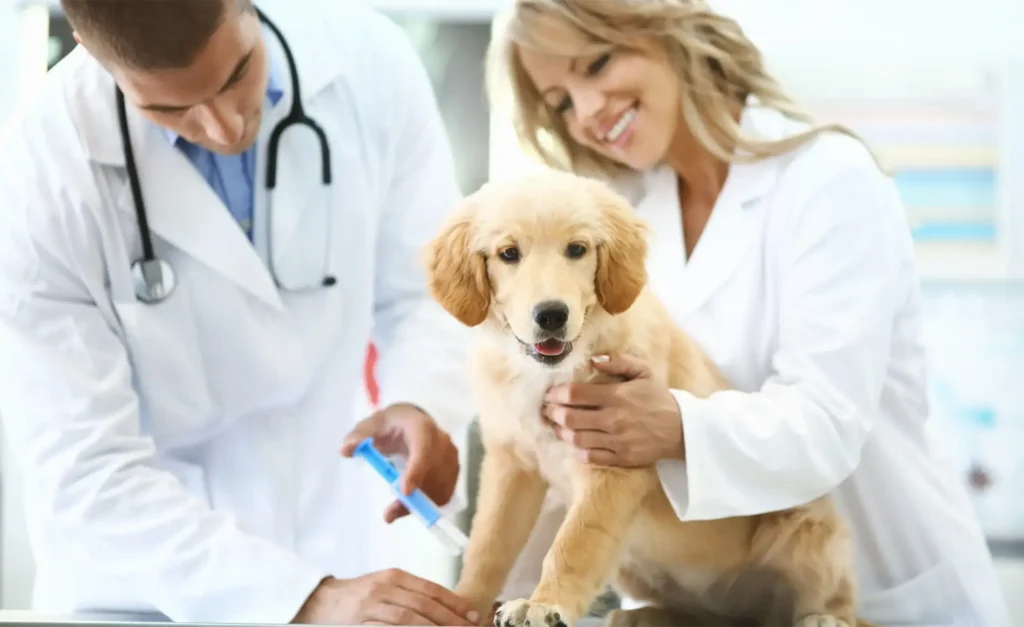

You might be feeling that sharp, sick rush that hits when your pet is suddenly not acting like themselves. One minute things seem normal, and the next you are watching labored breathing, weakness, bleeding, or a collapse that leaves you frozen and scared. In moments like that, it helps to know what usually happens behind the doors of an animal hospital in Baytown, TX, because the unknown often adds to the panic. The short version is simple. How Animal Hospitals Manage Emergency Situations comes down to fast triage, steady monitoring, clear communication, and treatment that is built to protect life first and sort out details second. For a closer look, see How Pediatric Dentists And Orthodontists Manage Delayed Loss Of Baby Teeth.
That can feel hard to trust when you are standing in a lobby, filling out forms with shaking hands, or waiting for someone to come back with an update. Still, emergency veterinary teams are trained for exactly this kind of pressure. Their job is to move quickly, decide what matters most, and keep your pet stable while they learn more.
What happens first when your pet arrives at an emergency animal hospital?
When you walk into an emergency animal hospital, the first step is usually triage. That means a veterinary nurse or doctor checks the most urgent signs right away, including breathing, heart rate, gum color, temperature, pain level, and mental alertness. Pets who cannot breathe well, are actively seizing, have major trauma, or are in shock are taken for immediate care, often before paperwork is finished.
Because of this, you might see another family arrive after you and get called back first. That can feel upsetting when your own fear is already high, but it is how emergency care works. The sickest patients go first. It is the same logic used in human emergency rooms, and it helps save lives.
Once your pet is stabilized, the team starts building a clearer picture. They may recommend oxygen support, IV fluids, bloodwork, X rays, ultrasound, pain control, or emergency surgery. Some hospitals also have dedicated emergency and critical care services, like the emergency and critical care team at Cornell, where intensive monitoring allows pets to be watched closely hour by hour.
Why does emergency veterinary care sometimes move so fast, and sometimes feel slow?
This is one of the hardest parts for pet owners. In a true crisis, decisions may happen in minutes. A blocked cat may need urgent relief. A dog hit by a car may need oxygen, imaging, and surgery planning almost at once. On the other hand, after that first burst of action, there may be waiting. Lab results take time. Imaging needs interpretation. Medications need a chance to work. A doctor may be helping another pet whose condition suddenly worsened.
So, where does that leave you? Usually in a place that feels powerless, which is why communication matters so much. Good emergency teams explain what they know, what they suspect, what they need to rule out, and what the next hour is likely to look like. Even when there are no perfect answers yet, a clear plan can lower some of the fear.
This is also where hospital systems make a difference. Some veterinary hospitals hold advanced emergency standards and staffing models designed for severe cases. For example, Texas A&M’s teaching hospital earned VECCS Level 1 accreditation, a sign of strong emergency and critical care capabilities. That does not mean smaller hospitals cannot provide excellent care, but it shows how much structure and training matter when minutes count.
What challenges do animal hospitals balance during emergency pet treatment?
Emergency care is rarely just medical. It is emotional and financial too. You may be trying to understand a diagnosis while also hearing an estimate, calling family, and deciding how far to go with treatment. That is a lot to carry when you have had almost no time to prepare.
An emergency veterinary clinic often has to make decisions in layers. First, keep the pet alive and reduce suffering. Next, identify the cause. Then, talk through treatment choices, likely outcomes, and costs. If your pet has eaten something toxic, for example, the team may need to induce vomiting or give antidote support before every test result is back. If your dog has a swollen belly and pale gums, they may suspect internal bleeding and recommend urgent imaging and bloodwork before discussing surgery.
Pet emergency care is built around this kind of stepwise decision making. It can feel intense, but there is logic behind it. Treat the immediate danger, gather the missing facts, and adjust the plan as the picture sharpens.
How does emergency care compare to waiting, monitoring at home, or seeing a regular vet?
Sometimes the biggest question is not what the hospital will do. It is whether you should go at all. The table below can help you think through common choices.
| Option | Best For | Main Risk | What Usually Happens |
|---|---|---|---|
| Monitor at home | Mild symptoms like a single episode of vomiting, normal breathing, normal energy | A serious issue may look mild at first | You watch closely, limit food if advised by your regular vet, and track changes |
| Call your regular vet | Symptoms that are concerning but not crashing, like limping, ongoing diarrhea, reduced appetite | Delay if the problem is more urgent than it seems | You get guidance, a same day visit, or are told to go to emergency |
| Go to an animal hospital for emergency care | Trouble breathing, collapse, seizures, severe bleeding, bloat, toxin exposure, blocked urination | Higher cost and stress, but delay can be dangerous | Rapid triage, stabilization, testing, and treatment planning |
When in doubt, breathing trouble, collapse, repeated seizures, major trauma, and an inability to urinate should never wait. A standard animal hospital may offer urgent help, but a dedicated emergency service can often provide round the clock monitoring if your pet needs ongoing support.
What can you do right now if you think your pet is having an emergency?
1. Focus on the signs that matter most.
Look at breathing, alertness, bleeding, and ability to stand. If your pet is struggling to breathe, collapsing, or unresponsive, go for care right away. Bring any medication bottles, toxin packaging, or a short timeline of what happened.
2. Call ahead if you can.
Even a one minute call can help the team prepare oxygen, isolation space, or crash equipment before you arrive. If you cannot call safely, leave immediately and have someone else call on the way.
3. Ask clear questions once your pet is stable.
Ask what the immediate threat is, what tests are most important first, what the likely cost range is, and what happens if you wait on non urgent items. In a stressful moment, simple questions can give you back a sense of footing.
When everything feels uncertain, what should you hold on to?
Most people do not feel ready for a pet emergency until they are already in one. That is normal. The good news is that emergency teams are built for chaos, and their process is designed to bring order to a frightening moment. Emergency pet hospital care is not only about machines, scans, and medications. It is also about triage, judgment, and helping you make the next right decision when time feels thin.
If your pet is showing serious warning signs, seek emergency care now. Quick action can make a real difference, and even one calm phone call to an animal hospital can help you know what to do next.
Apart from that if you want to know about Why General Veterinarians Are A Lifeline For Rural Communities then please visit our Pets Category.