
You might be feeling caught between wanting a better looking smile and worrying about the health of your teeth. At Georgetown family dentistry, we understand that struggle. Maybe you avoid photos, cover your mouth when you laugh, or hesitate to eat certain foods because you are afraid a tooth might chip again. It can feel like you have to choose between looking good and having strong, comfortable teeth.end
The good news is that modern cosmetic dentistry procedures are not just about looks. The right treatments can improve how your teeth work, how you chew, and how confident you feel when you speak and smile. This guide walks through four common procedures that can support both function and appearance, explains where the tradeoffs really are, and gives you clear next steps so you can move forward without guesswork.
When Your Smile Bothers You Every Day, What Is Really Going On?
Maybe it started with one stained front tooth after a root canal. Or a small chip that never got fixed and now catches your tongue every time you talk. Over time you might notice you are smiling less, speaking more carefully, or avoiding certain foods because your bite feels uneven.
Because of this tension, you might wonder if cosmetic treatment is “too superficial” or if you are being picky. At the same time, you may worry about cost, pain, or whether your teeth will be drilled down more than necessary. That mix of embarrassment and uncertainty can keep you stuck for years.
The truth is that many cosmetic dental treatments were designed to correct both appearance and function. Crooked, worn, or broken teeth are not just cosmetic. They can lead to jaw pain, difficulty cleaning, and a higher risk of decay. So the question is not “Do I care too much about how my teeth look?” The more helpful question is “What is the safest way to improve my smile and protect my oral health at the same time?”
How Can Teeth Whitening Help Without Damaging Your Teeth?
One of the most common concerns is staining. Coffee, tea, red wine, smoking, or even certain medications can leave teeth looking darker or yellow. This can make you appear older or less healthy than you feel, and that disconnect can really affect your confidence.
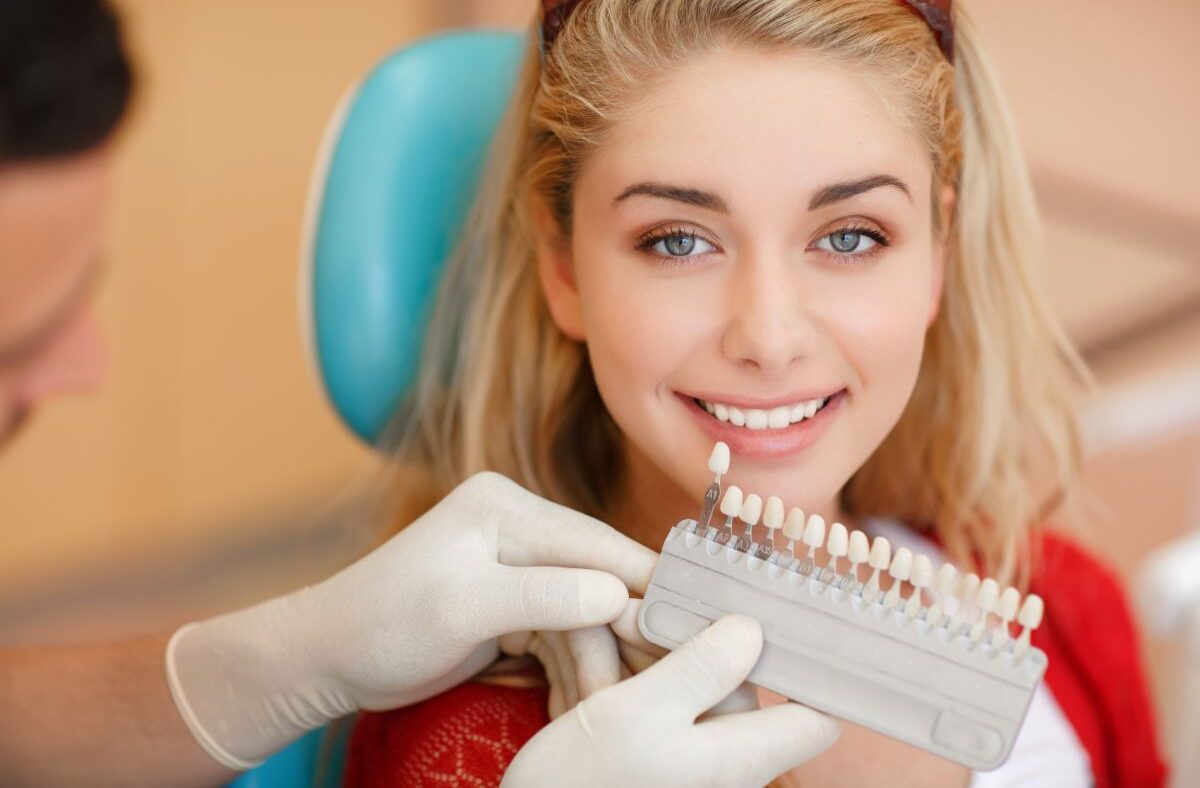
At-home whitening products are easy to grab at the store, but it is natural to wonder if they are safe or strong enough to make a noticeable difference. Professional whitening, done by a family and cosmetic dentist, typically uses stronger gels under careful supervision. This can mean a more even result, especially if you have fillings or sensitive teeth.
If you are curious about the science and safety, the American Dental Association has a helpful overview of different whitening options and what to expect. You can read more through this ADA resource on teeth whitening.
Whitening mainly improves appearance, but there is an emotional benefit that often gets overlooked. When you feel better about the color of your teeth, you tend to smile more, and that can change how people respond to you at work, socially, and even at home.
Can Dental Bonding Really Fix Chips And Gaps That Fast?
Imagine you have a small chip on a front tooth. It is not painful, but it is the first thing you see in the mirror every morning. You might tell yourself, “It is not serious, I can live with it,” while a part of you winces every time you catch your reflection.
Dental bonding uses a tooth colored resin that is shaped and hardened right on your tooth. It can repair chips, close small gaps, and cover some stains. The process is usually quick and often does not require numbing. From a functional perspective, bonding can smooth rough edges that irritate your lips or tongue and protect exposed areas from further wear.
The tradeoff is durability. Bonding is more affordable upfront, yet it may stain or chip sooner than other options. For someone who needs a conservative, budget friendly fix, it can be a strong starting point. For deeper cracks or major bite problems, your dentist might suggest a different solution.
How Do Veneers Change Both Your Smile And Your Bite?
Veneers are thin shells that cover the front surface of teeth. They are often used for people who want to change the shape, color, and alignment of several front teeth at once. If you have teeth that are uneven, worn down, or have multiple old fillings, veneers can create a more even and natural looking smile.
Functionally, well designed veneers can help create a smoother bite and protect worn enamel. They can also make cleaning easier because the surfaces are smoother, which can support better gum health if you keep up with brushing and flossing.
However, veneers usually require some removal of enamel. This means the decision is important. You are committing to a long term restoration. A skilled family and cosmetic dentist will measure carefully, take photos, and discuss whether your bite, grinding habits, and gum health make veneers a good choice or whether another option would protect your teeth better.
When Do Crowns Become The Better Choice Than Veneers Or Bonding?
Crowns, sometimes called “caps,” cover the entire visible part of the tooth. They are often recommended when a tooth is cracked, heavily filled, or weakened after root canal treatment. Crowns restore strength so you can chew comfortably again, while also improving the shape and color of the tooth.
If you grind your teeth, have large old fillings, or feel a tooth flex when you bite on something hard, a crown can protect what is left of the natural tooth. From an appearance standpoint, modern crowns can be made to blend with your other teeth very closely.
Crowns typically cost more than bonding and may require more tooth preparation. On the other hand, they often last longer and provide stronger functional support. A good dentist will explain why a tooth needs a crown instead of a filling and show you images or X rays so you understand the reasoning.
How Do These Cosmetic Options Compare On Cost, Longevity, And Comfort?
When you are weighing different treatments, it can feel like comparing apples to oranges. You want something that looks natural, feels comfortable, and fits your budget, without creating bigger problems later.
The table below gives a general comparison of four common cosmetic dental treatments. These are typical patterns, not rules, and actual costs and lifespans vary with each person and dentist.
| Treatment | Main Purpose | Typical Longevity | Cosmetic Impact | Functional Support |
|---|---|---|---|---|
| Professional Whitening | Lighten tooth color | 1 to 3 years, with touch ups | Improves brightness | Minimal direct change to function |
| Dental Bonding | Repair chips, small gaps, minor stains | 3 to 7 years on average | Good for small visible flaws | Protects chipped or worn edges |
| Porcelain Veneers | Reshape and recolor front teeth | 10 to 15 years with care | High cosmetic impact | Can improve bite surfaces and wear |
| Dental Crowns | Strengthen and restore damaged teeth | 10 to 15 years or longer | Natural appearance when well designed | Strong support for chewing and biting |
For some people, a mix of treatments is ideal. For example, whitening for overall brightness, then bonding on one chipped tooth. Or crowns on back teeth that do most of the chewing, with veneers on the front teeth that show when you smile.
What About Implants, Bridges, Or Other Restorations?
If you are missing a tooth or facing an extraction, your concerns may feel even heavier. You might worry about how a gap will look, whether your other teeth will shift, or if you will ever feel comfortable biting into an apple again.
Options like implants, bridges, or partial dentures blend cosmetic and functional goals. They restore your ability to chew and speak, while also filling the space so your smile looks complete. Each option comes with specific benefits and tradeoffs related to surgery, healing time, and maintenance. MedlinePlus shares a clear overview of how missing teeth can be replaced and what these options involve. You can explore that here: tooth replacement and restorative options.
A thoughtful family and cosmetic dentist will look at how each tooth supports your bite, your gums, and your jaw. That way, the solution supports your health, not just the way your smile looks in a photo.
Three Steps You Can Take Right Now To Move Forward
1. Get clear on what bothers you most
Before any appointment, stand in front of a mirror in good light. Notice what truly bothers you. Is it color, shape, gaps, chips, or how your teeth come together when you bite? Write down your top three concerns. This makes your first conversation with a dentist more focused and helps them suggest treatments that match your priorities, not just what is available.
2. Ask for both cosmetic and functional opinions
When you speak with a dentist, say that you care about both appearance and long term health. Ask questions like “How will this treatment affect my bite?” and “Is there a more conservative option that still improves my smile?” A good dentist will welcome these questions and explain the pros and cons in plain language.
3. Plan for maintenance, not just the first result
Every treatment, even whitening, needs care to last. Before you decide, ask what daily home care looks like, how often you will need touch ups, and what habits might shorten the life of your restorations. If you grind your teeth at night, for example, a night guard can protect veneers, crowns, and bonding. Thinking about maintenance early helps you avoid disappointment and surprise costs.
Choosing A Path That Fits Your Life, Not Just Your Smile
Feeling unhappy with your teeth can affect more than photos. It can change how you speak up in meetings, how you show up in relationships, and how you feel about yourself every single day. At the same time, you should never feel rushed or pressured into treatment you do not understand.
4 cosmetic dentistry procedures that improve function and appearance can give you real choices. Whitening can restore brightness. Bonding can repair small flaws. Veneers and crowns can reshape and strengthen teeth that have been through a lot. When these options are planned thoughtfully, they support your health as much as your confidence.
You deserve care that listens to your concerns, respects your budget, and explains each step in plain language. With the right guidance, you can move from feeling self conscious about your smile to feeling comfortable, steady, and ready to show it again.
Apart from that, if you want to know more about Why Routine Cleanings Are Essential For Every Family Member then visit our Health category.