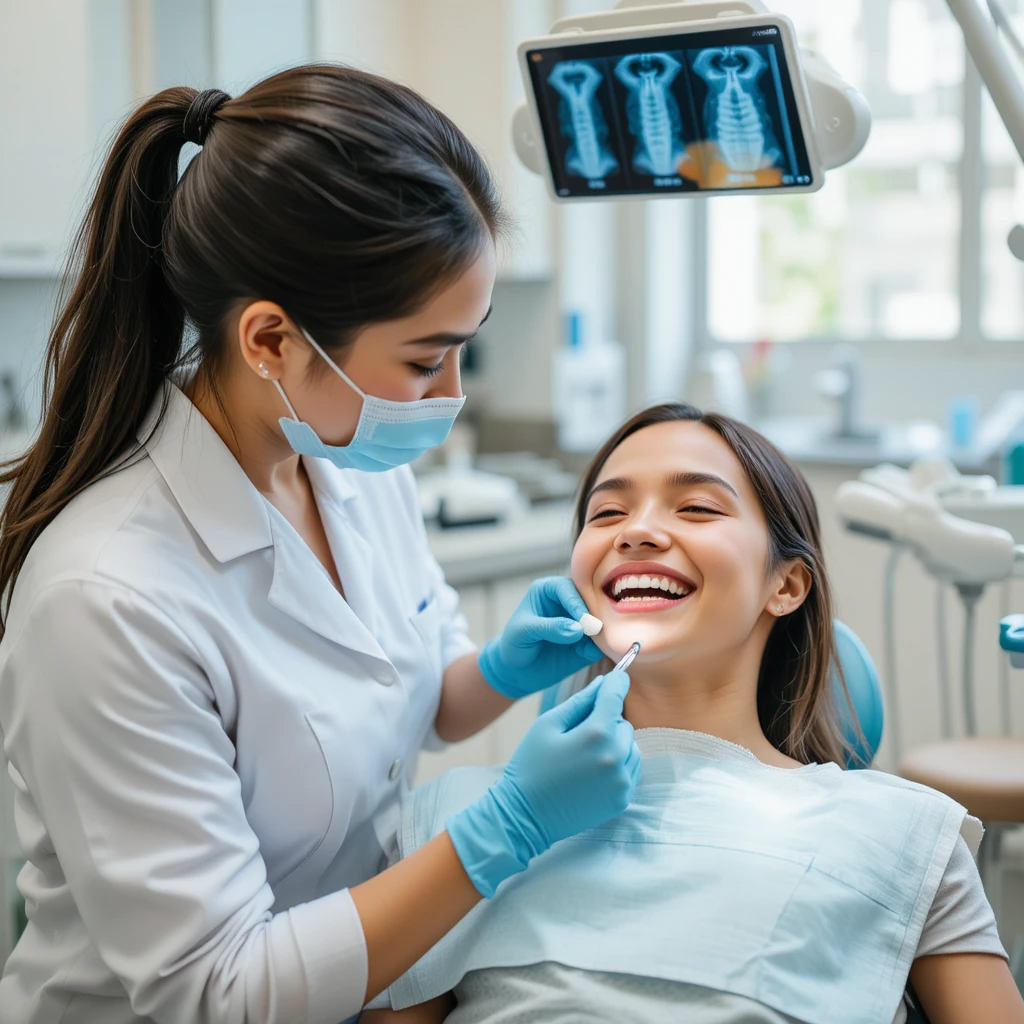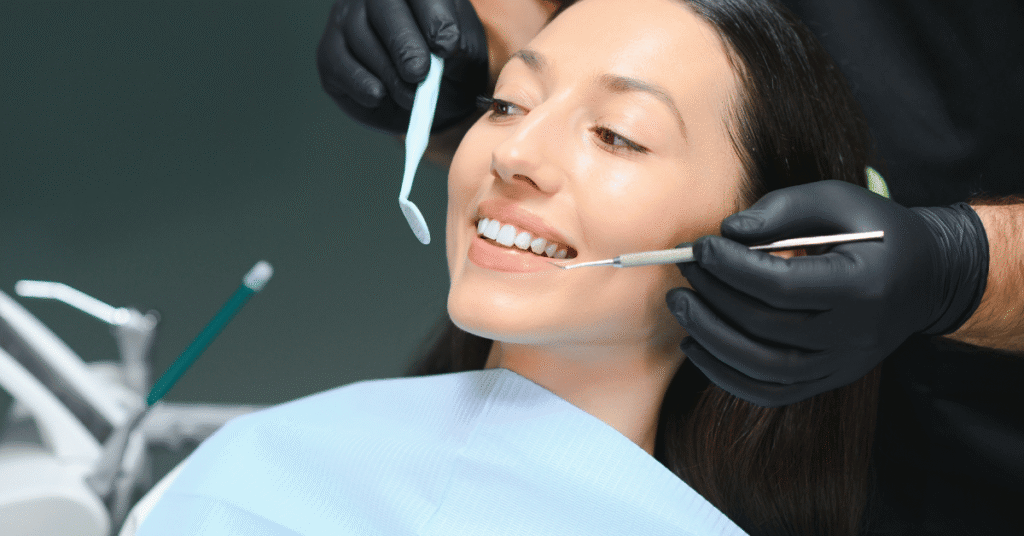


Preventive dentistry protects against gum disease and cavities by removing hardened plaque you cannot clean at home, catching early damage while it can still be reversed or treated simply, and strengthening teeth with fluoride and sealants. Combined with good daily habits, regular checkups and cleanings stop most problems long before they cause pain or tooth loss.
Brushing and flossing are essential, but they cannot do the whole job. Plaque collects in places you cannot see or reach, and early decay and gum inflammation rarely hurt. A dentist in Jackson Heights or any general dentist you see regularly can track changes in your mouth, remove stubborn deposits and adjust your routine before small issues grow. This guide explains how gum disease and cavities develop, what preventive care actually does, and the daily habits that make it work.
How Gum Disease and Cavities Start
Both conditions begin with plaque, a sticky film of bacteria that forms on teeth every day.
- Bacteria feed on sugars and starches from food and drink.
- They form plaque that clings to tooth surfaces and the gumline.
- Acids from plaque attack enamel, gradually dissolving minerals and creating weak spots that can become cavities.
- Plaque along the gumline irritates the gums, causing gingivitis: redness, swelling and bleeding.
- Plaque left in place hardens into tartar (calculus), which cannot be brushed off and gives bacteria a protected place to grow.
- Untreated gingivitis can progress to periodontitis, where gums pull away from teeth, pockets form and the supporting bone is lost.
The key point is timing. Early enamel weakening can sometimes be reversed with fluoride, and gingivitis is usually reversible with professional cleaning and better home care. Once a cavity breaks through enamel or periodontitis destroys bone, treatment becomes more involved and the damage is permanent.
Why Home Care Alone Is Not Enough
| What home care does well | What only a dental team can do |
|---|---|
| Removes soft plaque every day | Removes hardened tartar above and below the gumline |
| Reduces acid exposure after meals | Detects small cavities between teeth using X-rays |
| Keeps breath fresher and teeth cleaner | Measures gum pockets to track gum disease |
| Delivers daily fluoride from toothpaste | Applies stronger professional fluoride and sealants |
| Lets you notice obvious changes | Spots early warning signs you cannot see, including oral cancer screening |
Back molars, tight contacts between teeth and the area just under the gumline are the usual trouble spots. Even careful brushers miss some plaque there, which is why professional cleanings remain important for people with excellent habits.
What Happens During a Preventive Visit
Examination
Your dentist checks each tooth for decay, worn or cracked fillings and enamel erosion, looks at your bite, and examines your gums, tongue and soft tissues. Gum pocket depths are measured with a small probe; deeper pockets or bleeding can signal gum disease.
X-rays when needed
X-rays reveal decay between teeth and under existing fillings, plus bone levels around the roots. How often they are taken depends on your individual risk, not a fixed rule for everyone.
Professional cleaning
The hygienist removes plaque and tartar with ultrasonic and hand instruments, then polishes the teeth. People with signs of periodontitis may need a deeper cleaning, called scaling and root planing, to clean the root surfaces below the gumline.
Personal prevention plan
You leave with specific advice: where you are missing plaque, whether you would benefit from fluoride treatments or sealants, and how often you should return. That plan is the part many people overlook, and it is often the most valuable.
Fluoride and Sealants: Simple, Strong Protection
- Fluoride strengthens enamel and helps it resist acid. Professional varnish or gel provides a higher concentration than toothpaste and can help repair very early weak spots before they become cavities.
- Sealants are thin protective coatings painted onto the chewing surfaces of back teeth. They seal deep grooves where food and bacteria collect and where many childhood cavities begin.
The National Institute of Dental and Craniofacial Research reports that sealants can prevent many cavities in children and teens, and adults with deep grooves may benefit as well. Both treatments are quick, painless and far less invasive than fillings.
Preventive Care vs. Emergency Care
| Preventive visit | Emergency visit | |
|---|---|---|
| When it happens | Planned, typically every 6 to 12 months | Unplanned, often evenings or weekends |
| Common reasons | Exam, cleaning, fluoride, sealants | Toothache, abscess, broken tooth, swelling |
| Typical treatment | Cleaning and minor, early fixes | Root canals, extractions or large restorations |
| Experience | Short, predictable and low stress | Longer, more painful and more stressful |
| Cost | Lower, and often well covered by dental insurance | Higher, with more out-of-pocket expense |
Most dental plans in the US cover routine checkups and cleanings at a high level because prevention costs insurers less than treatment. Check your own plan’s details, but if you already have coverage, preventive visits are usually the best value you can get from it.
Daily Habits That Back Up Your Dentist
- Brush twice a day for two minutes with fluoride toothpaste, angling the brush toward the gumline.
- Clean between teeth once a day with floss, interdental brushes or a water flosser.
- Spit, don’t rinse after brushing so fluoride stays on your teeth longer.
- Limit how often you have sugary or acidic snacks and drinks. Frequency matters more than quantity, because every exposure starts a new acid attack.
- Drink water, especially after meals, and choose crunchy fruits and vegetables.
- Avoid tobacco, which is a major risk factor for gum disease.
- Replace your toothbrush every three to four months or when the bristles fray.
Who Is at Higher Risk?
Some people need more frequent preventive visits or extra treatments. Tell your dentist if any of these apply to you:
- Diabetes, which is closely linked with gum disease.
- Pregnancy, when hormonal changes can make gums more sensitive.
- Medications that cause dry mouth, since saliva protects teeth.
- Braces, bridges or implants, which create more places for plaque to hide.
- Smoking or vaping.
- A history of frequent cavities or gum problems.
Warning Signs You Should Never Ignore
- Gums that bleed when you brush or floss.
- Red, swollen or tender gums.
- Bad breath that persists after brushing.
- Gums pulling back or teeth looking longer.
- Loose teeth or a change in how your teeth fit together.
- Sensitivity to hot, cold or sweet foods.
- Dark spots, pits or holes in teeth.
Book an appointment if you notice any of these. Swelling in the face or jaw, fever or severe pain needs urgent attention from a dentist or medical provider.
Prevention at Every Stage of Life
| Life stage | Preventive priorities |
|---|---|
| Children | First visit by age one, fluoride, sealants on new molars, building positive dental habits |
| Teens | Sealants, mouthguards for sports, extra cleaning around braces, limiting sugary drinks |
| Adults | Regular cleanings, gum monitoring, managing grinding, and diet and stress effects |
| Older adults | Root decay prevention, dry-mouth management, denture and implant care, protecting remaining teeth |
FAQs
How often should I get a preventive dental cleaning?
Many people are seen every six months, but your dentist may recommend shorter intervals if you have gum disease or a high cavity risk, or longer ones if your mouth has been stable. The right schedule is based on your individual risk.
Can gum disease be reversed?
Gingivitis, the early stage, is usually reversible with professional cleaning and improved brushing and flossing. Periodontitis causes permanent bone loss, but it can be managed and slowed with deep cleaning and ongoing maintenance visits.
Can a cavity heal on its own?
Very early enamel weakening, before a hole forms, can sometimes be remineralized with fluoride and better habits. Once a cavity has broken through the enamel, it needs a filling or other treatment from a dentist.
Are dental sealants only for children?
No. Sealants are most often placed on children’s and teens’ molars, but adults with deep grooves and no existing fillings on those surfaces can benefit too. Ask your dentist whether your teeth are good candidates.
Is preventive dental care covered by insurance?
Most US dental plans cover routine exams and cleanings at a high level, and many cover fluoride and sealants for children. Coverage varies by plan, so check your benefits or ask the dental office to verify them before your visit.
Bottom Line
Preventive dentistry works because it targets problems while they are small, silent and inexpensive to fix. Keep regular checkups, clean between your teeth every day, limit sugary snacks, and ask your dentist whether fluoride or sealants make sense for you. For more on the confidence that comes with good preventive results, read how general dentistry promotes confidence through preventive results, or explore our Health category.