

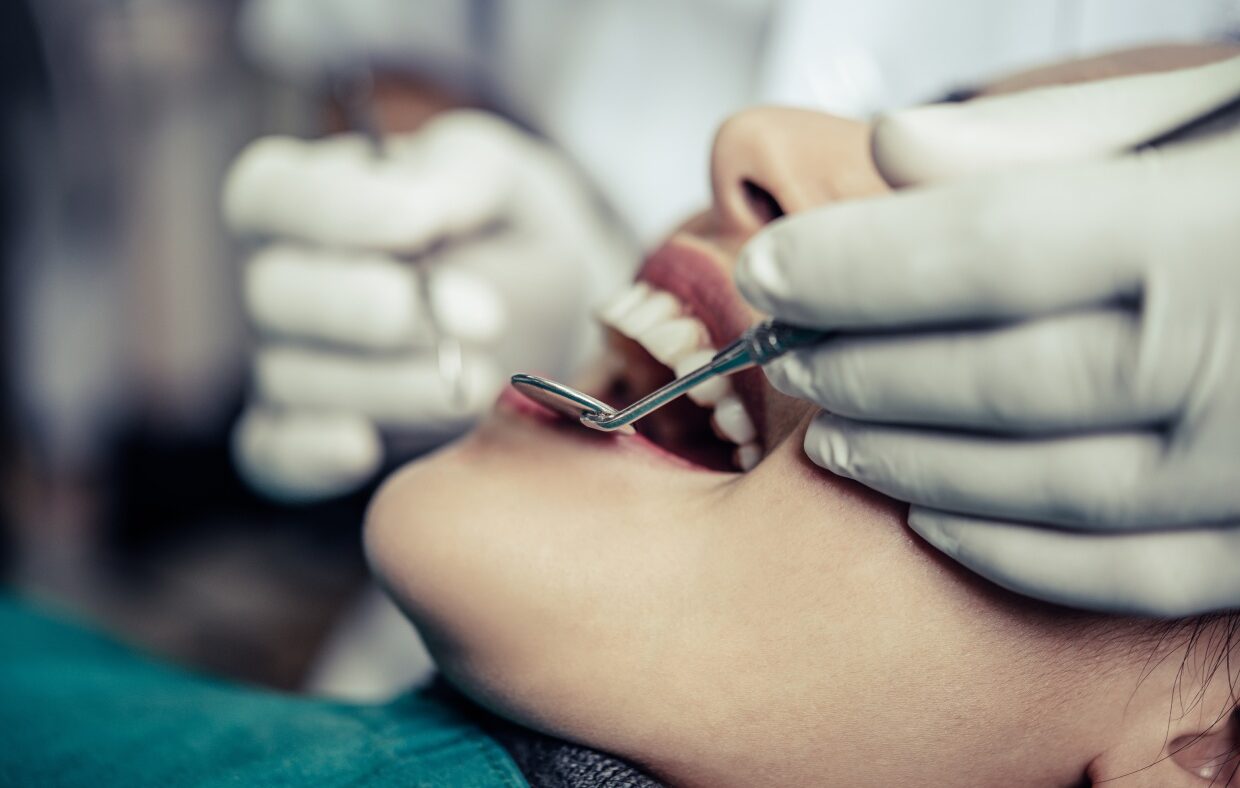
You might be feeling a bit caught in the middle right now. Maybe your tooth only hurts sometimes, or your gums bleed when you brush, or you have a nagging worry that you have not seen a Wantagh dentist in years. Nothing feels like an emergency, yet something in your gut says, “If I ignore this, it might come back to haunt me.”end
That tension is real. The “before” often looks like small signs you can brush aside. Mild sensitivity. A tiny chip. Morning bad breath. The “after” is what many people fear. Root canals, extractions, high bills, missed work, and pain that forces you to drop everything.
General dentistry exists to keep you out of that “after” as much as possible. The whole idea is simple. Catch problems early, when they are easier, cheaper, and far less painful to treat. Through regular exams, X rays, and cleanings, a general dentist can spot early tooth decay, gum disease, bite problems, and even signs of health issues that show up in your mouth first.
So the short version is this. Routine care with a general dentist is not just about having clean teeth. It is about early warning, quiet prevention, and avoiding the big, scary dental emergencies that disrupt your life.
Why do small dental issues turn into big ones so quickly?
Dental problems rarely explode overnight. They usually whisper before they shout. A tiny cavity might start as a soft spot in the enamel. You do not feel anything, so you assume everything is fine. Over time, bacteria keep working, the cavity grows, and by the time you notice pain, it has reached the inner part of the tooth.
According to the National Institute of Dental and Craniofacial Research, tooth decay is one of the most common chronic diseases, yet it is highly preventable when caught early. You can read more about how cavities form and progress in this resource on tooth decay and cavities.
Here is where the frustration comes in. From the outside, things can look “not that bad.” You may think, “If I can chew, it cannot be serious.” By the time the pain forces you to act, the solution is usually more complex and more expensive than a small filling would have been months earlier.
On top of that, there is the emotional weight. Maybe you had a bad experience as a child. Maybe you feel embarrassed about how long it has been since your last visit. Maybe you worry you will be judged. All of this can make it even easier to put dental care on the back burner.
Stuck between not wanting to face the chair and not wanting things to get worse. This is exactly where preventive general dentistry is meant to help.
What does a general dentist actually look for during a checkup?
Many people think a checkup is just “a quick look and a cleaning.” In reality, a standard exam is a structured health screening that can reveal problems long before you feel them.
A typical dental exam usually includes:
1. Visual exam of teeth and gums. Your dentist looks for early signs of cavities, chips, cracks, worn enamel, gum inflammation, and recession. These are the early clues that something is changing under the surface.
2. X rays when needed. X rays can reveal hidden decay between teeth, bone loss from gum disease, infections at the root, and impacted teeth. Problems in these areas often do not hurt until they are severe.
3. Gum health check. The team may measure the depth of the pockets around your teeth. Deep pockets can signal early or moderate gum disease, long before you see teeth loosening.
4. Bite and jaw assessment. They may check how your teeth come together and whether your jaw joints are under strain. This can uncover clenching, grinding, or alignment issues that lead to headaches, fractured teeth, or jaw pain later.
5. Oral cancer screening. The dentist looks at your tongue, cheeks, throat, and lips for unusual spots or changes. Most of the time everything is fine, but when something is not, early detection can be life saving.
Because of all this, a routine visit is less about “cleaning what you see” and more about finding what you cannot see yet. That is how early dental problem detection changes the story from crisis to quiet course correction.
How does preventive care with a general dentist compare to waiting or DIY fixes?
You might wonder whether you really need regular dental visits, especially if you are brushing and flossing at home. Or you may be tempted to wait until something hurts, then deal with it in one big visit.
Here is a simple comparison to help make sense of the tradeoffs.
| Approach | What it looks like | Short term impact | Long term impact |
|---|---|---|---|
| Regular general dentist visits | Checkups every 6 to 12 months, cleanings, X rays as needed, early treatment of small issues | Small time commitment, modest and predictable costs, minimal discomfort | Fewer emergencies, less invasive work, lower overall cost, better long term oral health |
| DIY only at home | Brushing and flossing, mouthwash, avoiding certain foods, but no professional exams | Feels convenient and low cost, no appointments to schedule | High risk of hidden decay and gum disease, problems often found late, higher chance of extractions or complex treatment |
| “Wait until it hurts” approach | No visits until pain, swelling, or broken teeth force urgent care | No upfront cost, but sudden emergencies disrupt work and life | More root canals, extractions, and large restorations, higher financial and emotional stress over time |
The Centers for Disease Control and Prevention describe routine care as a key form of preventive care. It is not about being “perfect” with your teeth. It is about reducing the chance that a quiet problem grows into a crisis.
What can you do right now to stay ahead of dental problems?
If you feel overwhelmed, start small. You do not need to fix everything at once. You just need to take the next clear step.
1. Schedule a baseline checkup, even if it has been years
Think of this as a status report on your mouth. Tell the office how long it has been and that you are nervous. A good general dentist will meet you where you are, explain what they see, and help you prioritize what truly needs attention now versus what can wait.
2. Ask for a clear, written plan
Once the exam is done, ask for a step by step plan in plain language. Which issues are urgent. Which are important but not urgent. Which are simply “watch and review.” This turns a vague fear of “my teeth are a mess” into a manageable roadmap you can follow over time.
3. Tighten your daily home care in one simple way
You do not need a complete life overhaul. Choose one habit to strengthen. For example, add flossing before bed if you are not doing it now, or switch to a fluoride toothpaste if your dentist suggests it. Small, consistent changes support what your general dental care team is trying to protect during visits.
Moving from fear of the chair to quiet confidence
You are not alone if you feel anxious, ashamed, or simply tired when you think about your teeth. Many people wait until things are unbearable, then wish they had gone in sooner. The good news is that general dental care is designed to interrupt that cycle.
By allowing a general dentist to identify problems before they escalate, you give yourself more choices. More time. More control over cost and comfort. Instead of bracing for the next emergency, you can settle into a rhythm of maintenance and early course correction.
You deserve a future where dental visits feel routine, not crisis driven. The first step is often the hardest, yet it is also the one that changes the story from “I hope nothing is wrong” to “I know where I stand, and I have a plan.”
Apart from that, if you want to know more about 3 Advantages Of Establishing A Dental Home For Your Family then visit our Health category.