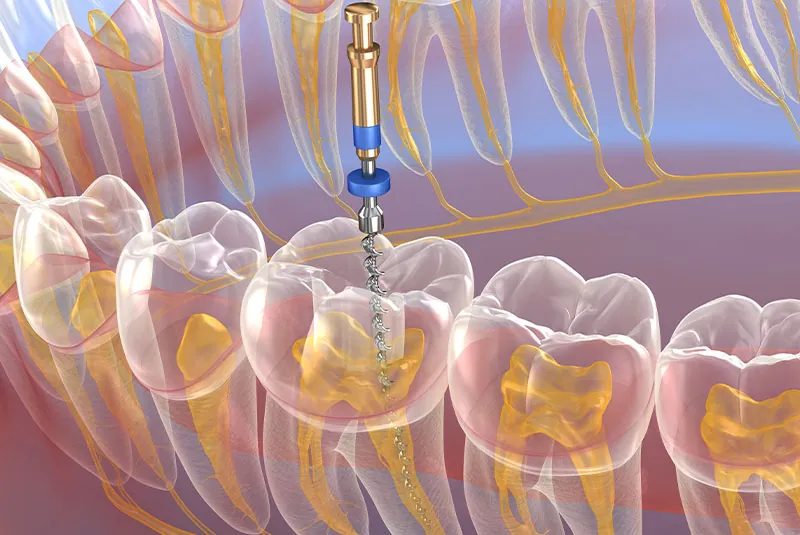

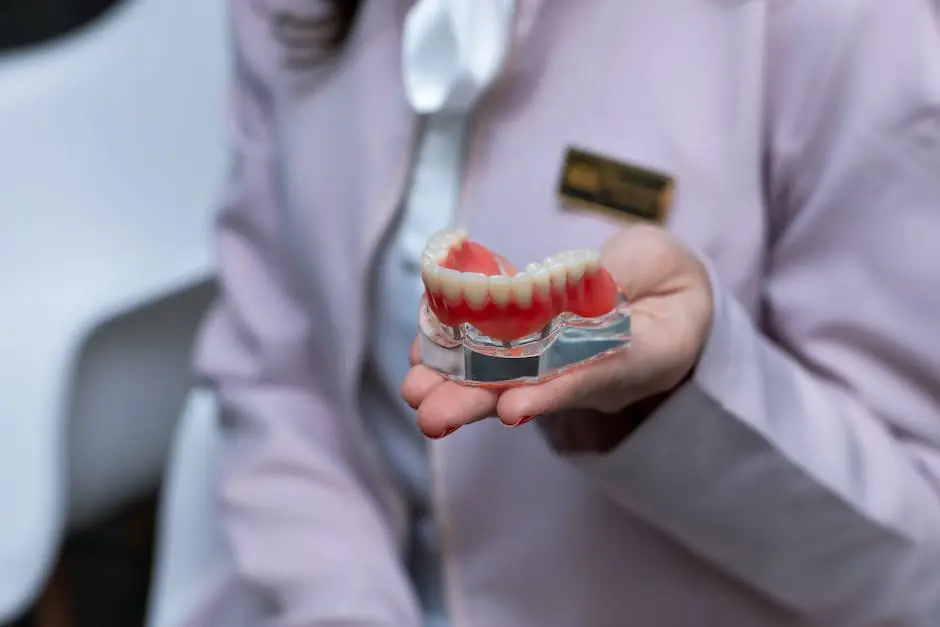
Choosing a dentist affects more than your next appointment. It shapes how you and your family face pain, fear, trust, and long-term health. When you choose a dentist trained in multigenerational care, you gain one guide for every stage of life. Children, adults, and older adults receive care that fits their changing needs. You do not repeat your story. Your dentist already knows it. This kind of training supports early habits, steady prevention, and gentle treatment during hard times. It also reduces confusion, delays, and mixed messages between different offices. Instead, your family moves through care with one clear plan. This is especially true in Santa Rosa dentistry, where many families care for children and aging parents at the same time. The right dentist can lower your stress, protect your time, and help your family feel safe in the chair.
Benefit 1: One dentist for every stage of life
Teeth and gums change with age. Your needs at five are not your needs at forty or seventy. A dentist trained in multigenerational care understands these shifts and plans for them.
You get one office that can see
- A toddler with new teeth
- A teen in sports
- An adult with work stress
- An older adult with health limits
Each person receives care that fits age, health, and daily life. You avoid guessing which practice to call as needs change. You also avoid gaps in care when a child “ages out” of a pediatric office or an older adult cannot manage long visits.
The National Institute of Dental and Craniofacial Research explains how needs differ across the lifespan and why steady care matters.
Benefit 2: Stronger prevention through shared history
When one dentist treats your whole family, patterns stand out. The dentist sees who gets cavities, who grinds teeth, and who avoids visits. That history allows earlier action.
For example, if several family members have gum disease, your dentist can
- Watch children more closely for early gum problems
- Give simple home routines for everyone
- Schedule cleanings at the right pace for your risk
This kind of prevention protects more than teeth. The Centers for Disease Control and Prevention links oral health to heart disease, diabetes, and pregnancy outcomes.
A dentist trained in multigenerational care understands these links. You receive clear steps you can use at home. You also receive honest talk about how your mouth connects to your body.
Benefit 3: Less stress for caregivers and aging parents
Many families care for children and older parents at the same time. That responsibility can drain energy. A multigenerational dentist reduces that strain.
You gain
- One office for scheduling and records
- Coordinated visits when possible
- Staff who know your family roles and limits
Older adults may have memory loss, arthritis, or medical devices. Children may fear the chair or hate new sounds. A dentist trained for all ages plans visits that respect these limits. The office may adjust lighting, shorten visits, or split treatment into smaller steps.
Caregivers then spend less time repeating the same story. They also spend less time calming fear after bad visits. A trusted dentist becomes part of your support system.
Benefit 4: Clear communication and one treatment plan
Seeing different dentists for each age group often leads to mixed advice. One office may stress braces. Another may stress gum care. A third may push cosmetic treatment. You end up confused and tired.
A dentist trained in multigenerational care creates one clear plan for your family. That plan can include
- Simple home routines for all ages
- Timing of braces or other alignment work
- Care for chronic conditions like dry mouth or grinding
- Planning for dentures, implants, or partials if needed
Each choice fits long-term goals, not just quick fixes. Your questions receive direct answers that match your values and budget.
How multigenerational care compares to separate dentists
The table below shows how care with one multigenerational dentist differs from using separate dentists for children, adults, and older adults.
| Topic | Multigenerational dentist | Separate dentists by age |
|---|---|---|
| Number of offices | One location for all ages | Two or three locations for one family |
| Medical and dental history | Shared record for the whole family | Split records and repeated forms |
| Prevention planning | Family patterns guide early care | Each office sees only part of the picture |
| Caregiver time and stress | Fewer trips and fewer phone calls | More scheduling work and travel |
| Support for aging parents | Staff already know limits and needs | New staff must learn each time |
| Trust and comfort | Long term bond with one team | Weaker ties with several teams |
How to choose a dentist trained in multigenerational care
You deserve a dentist who understands your whole family story. When you search, you can
- Ask if the office sees children, adults, and older adults
- Ask how they adjust care for age, health, and fear
- Ask if they coordinate visits for caregivers and aging parents
You can also watch how staff talk to children and older adults in the waiting room. Respectful words and patience matter. Clean spaces, clear fees, and honest talk matter as well.
Choosing a dentist trained in multigenerational care is a strong act of protection. You guard your own health. You also guard the well-being of those who count on you.
Apart from that, if you want to know more about Handling A Cracked Tooth Before Seeing The Dentist then visit our Health category.