

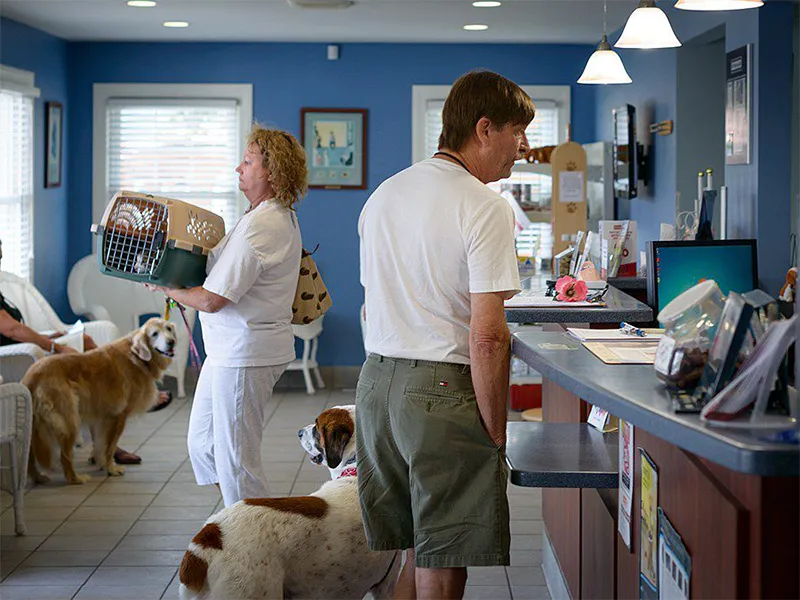
You might be feeling a little torn right now. Maybe your dog just had a health scare at 2 a.m., or your cat has been “off” for a few days, and suddenly you realize you are not as confident in your current Long Beach vet clinic as you thought you were. Or maybe you just brought home a new pet, and you are staring at a long list of clinics, trying to guess which one will actually care about your animal the way you do.end
That mix of worry, guilt, and pressure is real. You know your pet depends on you for every choice, and choosing the right veterinary clinic can feel like a test you cannot afford to fail. At the same time, you are busy, money matters, and every website you check sounds the same.
You need a clear way to compare options, you want to understand what truly matters beyond glossy photos and cheerful slogans, and you want to feel at peace that your pet is in good hands. This guide walks you through what to look for in a veterinary clinic that fits your pet’s needs, the questions to ask, and the steps you can take today to move from anxious guessing to confident choosing.
Why does choosing a veterinary clinic feel so stressful?
Part of the stress comes from the stakes. You are not choosing a gym or a coffee shop. You are choosing the medical home for a family member who cannot tell you where it hurts or whether the visit felt rushed or kind.
Imagine this. Your dog starts limping on a Friday evening. You call your current clinic, but the phone goes to voicemail, and the message says they are closed until Monday. You search online and see an emergency clinic across town. You have no idea what they charge, whether they are reputable, or how long you will wait. In that moment, every decision feels heavier because time, money, and your pet’s comfort are all colliding at once.
Or picture a quieter scenario. Your indoor cat is getting older. You notice she is drinking a bit more water and losing a little weight. You mention it during her yearly checkup, but the appointment feels rushed. No bloodwork is suggested, and you leave with a sense that something might have been missed. That quiet doubt can follow you for months.
Because of this tension, you might wonder what “good care” really looks like. Is it about state-of-the-art equipment, warm staff, convenient hours, or cost? The answer is that all of these matter, but in different ways depending on your pet, your family, and your comfort level with medical decisions.
The American Veterinary Medical Association offers helpful guidance on how to choose a veterinarian, including what to ask and how to evaluate care. You can read more from them in this resource on how to choose a veterinarian. Using those ideas as a base, you can build a choice that feels right for you, not just “good on paper.”
What should you look for beyond “nice people and good reviews”?
Online reviews and friendly staff are important, but they are only one piece of the picture. To choose the right clinic for your pet’s needs, it helps to think in terms of three layers. Medical quality, communication style, and practical fit.
On the medical side, you want a clinic that practices modern, evidence-based medicine. That means appropriate vaccinations, regular screening for conditions common to your pet’s age and breed, and clear plans for emergencies or referrals when something is beyond their scope. A strong general veterinarian will be upfront about what they can handle and when they recommend a specialist.
Communication is the part you feel every visit. Do the veterinarians and nurses take time to explain what they are seeing and why they recommend a certain test or treatment? Do they listen when you share what you observe at home? Do they respect your budget and work with you to prioritize care instead of pushing everything at once? Good medicine and good communication go together, especially when your pet cannot speak up.
Then there is practical fit. Are the hours realistic for your work schedule? Is parking easy? Do they offer same-day appointments for urgent problems? Who covers care after hours? The ASPCA has a helpful overview of emergency care for your pet, which can help you ask better questions about what happens when something goes wrong at night, on weekends, or during holidays.
You might also need to think about travel. If you often travel with your pet, you will want a clinic that understands health certificates, vaccines needed for travel, and disease risks in different regions. The CDC provides guidance on traveling safely with pets, and a strong clinic will be familiar with these issues and help you plan ahead instead of scrambling before a trip.
Comparing veterinary clinics for your pet’s needs
It can help to see the decision as a comparison of tradeoffs rather than a hunt for a “perfect” clinic. Here is a simple way to think about different options you might encounter when choosing the best vet clinic for your pet.
| Type of Clinic / Option | Pros | Cons | Best For |
|---|---|---|---|
| Small local general practice | More personal feel. Often easier to build a long-term relationship. Staff may know your pet by name. | Limited on-site equipment. May refer out for complex surgery or advanced imaging. After-hours care may be limited. | Routine care, vaccines, early detection, and ongoing management of common issues. |
| Large multi doctor clinic | Wider range of services. More appointment slots. Often, more advanced equipment and in-house labs. | Can feel less personal. You may see different vets each visit unless you request one. | Families who value convenience, access to multiple vets, and same-day visits. |
| Emergency or specialty hospital | 24/7 care for emergencies. Specialists in surgery, cardiology, oncology, and more. Advanced diagnostics. | Higher cost. Not designed for routine wellness care. Can be stressful for pets and owners. | Serious illness or injury. Advanced diagnostics. Complex ongoing conditions. |
| Mobile or house call vet | Care in your home. Lower stress for anxious pets. Helpful for large dogs or owners with mobility issues. | Limited equipment. May not handle urgent emergencies. Fewer appointment slots. | Cats or dogs who are very anxious at clinics. End-of-life care. Basic wellness. |
When you look at options this way, the question becomes less “Which clinic is best?” and more “Which mix of care, communication, and convenience fits my pet and my life right now?” That shift can take some of the pressure off and help you focus on what matters most to you.
Three steps you can take right now to choose a better veterinary fit
You do not have to solve everything in one afternoon. You just need a few clear actions that move you forward.
1. Make a short, honest list of your priorities
Before you compare clinics, get clear on what you actually need. For example, are you most worried about cost, or are you willing to pay more for longer visit times and detailed explanations? Do you need evening or weekend hours? Does your pet get very anxious in waiting rooms? Are you expecting to travel with your pet and need help with documents and vaccines?
Write down your top 3 to 5 priorities. For one person, it might be “gentle handling for my fearful rescue dog, clear communication, and flexible payment options.” For another, it might be “experience with senior cats, strong emergency plan, and easy parking.” Use this list as your filter when talking to clinics.
2. Call two or three clinics and ask targeted questions
A short phone call can tell you more than an hour of scrolling reviews. When you call, you might ask things like:
- How long are your standard appointments for new patients and for annual exams?
- What happens if my pet has an emergency after hours?
- Do your vets have special interests, for example, senior pets, behavior, or specific species?
- How do you handle cost discussions? Are written estimates provided before tests or procedures?
- How do you help anxious or fearful pets feel safer during visits?
Notice not just the answers, but the tone. Do you feel rushed? Does the staff sound patient and willing to explain? This is a preview of how you will be treated when you are worried and your pet is sick.
3. Schedule a non-urgent “get to know you” visit
If possible, choose a clinic and schedule a routine visit before a crisis hits. This might be a wellness exam, vaccine update, or simple checkup. Treat it as an interview from both sides. You are seeing how the team interacts with your pet. They are getting to know your animal’s health history and behavior.
During the visit, notice how your pet is handled. Are the staff gentle and calm? Does the vet get down to your pet’s level, use treats when appropriate, and give your pet time to adjust? Do you feel heard when you ask questions? Are test results explained in a way that makes sense to you?
Moving forward with confidence in your pet’s care
Choosing the right veterinary clinic for your pet’s needs does not mean you will never face a health scare or a hard decision. What it does mean is that when those moments come, you are not alone with your worry. You have a trusted team that knows your pet, respects you, and works with you to find the best path forward.
It is okay if you feel overwhelmed or if your past experiences with vets have been mixed. You are not behind. Every question you ask, and every step you take to find a better fit, is an act of care for your animal.
Start small. Clarify your priorities. Make a couple of calls. Schedule one visit. From there, you can build the kind of long-term relationship with a general vet that makes your pet’s world feel safer, and yours a little lighter.
Apart from that, if you want to know more about 5 Benefits Of Annual Wellness Exams For Dogs And Cats then visit our Pets category.