
You might be here because something in your mouth just does not feel right. Maybe it started as a mild ache that comes and goes, or a sharp sting when you drink something cold. Perhaps you are lying awake at night, worrying if you are about to lose a tooth. That mix of discomfort and uncertainty can be exhausting, and it is completely understandable to feel anxious when you do not know how serious it is. An endodontist in Bolingbrook, IL can help determine what is going on and provide relief.end
The short version is this. When the nerve inside a tooth becomes inflamed or infected, an endodontist can often save the tooth with a root canal or another endodontic treatment. There are a few warning signs that suggest you should not ignore what is happening. These include lingering pain, sensitivity that does not fade, swelling or a pimple on the gum, and changes in color or how the tooth feels when you bite. The sooner you notice these changes and get them checked, the better your chances of keeping that tooth healthy and in place.
What is happening inside the tooth, and why does it hurt so much?
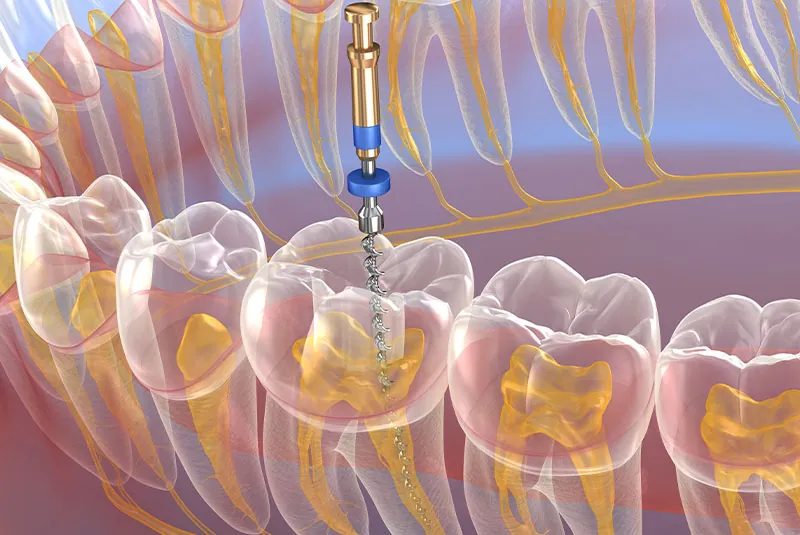
To understand the 4 signs, it helps to know what might be going on out of sight. Inside every tooth, there is a small space with nerves and blood vessels. Dentists call this the pulp. When decay, cracks, or trauma reach that inner space, the pulp can become inflamed or infected. This is when an endodontic procedure like a root canal becomes important, because it focuses on treating the inside of the tooth, not just the surface.
The problem is that pain in your mouth can be confusing. One day the tooth hurts, the next day it feels almost normal, and you start to wonder if you imagined it. You may also worry about the cost of treatment, whether you will need to miss work, or if a root canal will be painful. All of that can make it tempting to wait and hope it goes away on its own.
Sign 1: Deep, lingering tooth pain that is hard to ignore
Occasional mild sensitivity is common. What raises concern is pain that lingers and feels deep or throbbing. If you notice any of the following, your tooth may need endodontic attention.
- Pain that lasts more than a few seconds after eating or drinking something hot or cold
- Spontaneous pain that wakes you up at night or starts without any clear trigger
Imagine you are sipping coffee, and the tooth flares with pain that continues long after the cup is empty. Later that day, you chew on that side, and it zings again. You take pain relievers, and it settles, so you push it aside. The trouble is that this type of lingering pain often means the nerve is already inflamed. Without treatment, the nerve can die, and infection can spread to the bone around the tooth.
The solution is not to suffer through it. When an endodontist evaluates this kind of pain, they use tests and X-rays to see if the pulp is damaged. If it is, a root canal can remove the inflamed tissue and stop the pain while preserving the tooth itself.
Sign 2: Sensitivity to hot or cold that lingers instead of fading
Another common sign is temperature sensitivity that simply does not calm down. A healthy tooth might react briefly to ice water or hot tea, then settle within a second or two. When the inner nerve is irritated, that reaction can be stronger and longer lasting.
Pay attention if you notice:
- Sharp, bright pain from cold drinks that lingers for 10 seconds or more
- Burning discomfort from hot foods that stays even after you stop eating
- The need to avoid using a certain tooth because of repeated sensitivity
It can be tempting to switch sides when chewing and hope the sensitivity improves. Sometimes it does, especially if the cause is minor enamel wear or receding gums. However, when the sensitivity is intense and persistent, it may be an early warning that the pulp is struggling. Getting it checked before the pain becomes constant can make treatment easier and may help you avoid an emergency visit.
Sign 3: Swelling, a gum “pimple,” or a bad taste near one tooth
When infection spreads from the inside of the tooth into the surrounding bone and gum, your body tries to drain it. This can create a small bump or pimple on the gum, sometimes with a salty or bad taste if it drains. You might notice:
- A small, raised bump on the gum near one tooth that comes and goes
- Swelling or tenderness in the gum or face on one side
- A bad taste or odor in the mouth that keeps returning
It is easy to ignore a small gum bump, especially if it is not very painful. However, this often means there is an abscess, which is a pocket of infection at the root of the tooth. The body may manage it for a while, but the infection does not truly disappear without proper treatment.
This is where a root canal procedure can be so helpful. By cleaning and sealing the inside of the tooth, the source of the infection is removed. The abscess can then heal from the inside out, often without needing to remove the tooth. You can read more about how root canals work from the American Dental Association on their patient-friendly root canal overview.
Sign 4: Tooth discoloration or a strange feeling when you bite
Sometimes, the signs are more subtle. A tooth whose nerve has died may darken or turn gray compared with neighboring teeth. You may also feel that the tooth is “high” when you bite, or that it just feels off when your teeth come together.
These changes can follow an injury, such as being hit in the mouth during sports, or they can appear slowly over time. Because there is not always pain, many people assume everything is fine. Unfortunately, a dead or dying nerve can quietly harbor infection.
Endodontists see this often. A person comes in for a small cosmetic concern, such as a dark front tooth, and imaging reveals long-standing damage inside. With timely treatment, including root canal therapy and sometimes whitening or a crown, the tooth can often be saved and restored in both function and appearance.
How do endodontic treatments compare with extraction or “waiting it out”?
When you are in pain or facing a big dental decision, you may wonder if it is easier to remove the tooth or to wait and see if it settles. The table below offers a simple comparison to help you think through your options.
| Option | Short-term effect | Long-term impact | Typical outcome |
|---|---|---|---|
| Endodontic treatment (root canal) | Relieves pain after healing. Keeps your natural tooth. | Maintains chewing function and jaw alignment. Often lasts many years with proper care. | High success rates reported in studies. Many teeth function normally for a decade or more. |
| Tooth extraction without replacement | Removes source of pain, but leaves a gap. | Neighboring teeth may shift. Chewing and smile appearance can be affected. | May lead to bite problems or extra wear on other teeth over time. |
| Tooth extraction with implant or bridge | Resolves pain. Requires multiple visits and a higher cost. | Can restore function and appearance, but does not preserve the original tooth. | Good results, but usually more complex and expensive than root canal therapy. |
| “Wait and see” with ongoing symptoms | May have periods of less pain, but risk of sudden flare-ups or abscess. | Infection can spread. Greater chance of needing emergency care or losing the tooth. | Often leads to more difficult and costly treatment later. |
Medical sources such as MedlinePlus on root canal treatment explain that saving a natural tooth is usually better for long-term oral health than removing it, when that is possible.
What can you do right now if you notice these signs?
When you recognize one or more of these signs, it is easy to feel overwhelmed. You might worry about pain, cost, or missing work. You might also feel frustrated that something as small as a tooth can cause this much trouble. There are, however, a few steps you can take today to move from worry to action.
1. Pay attention and write down your symptoms
For the next day or two, notice when your tooth hurts and what triggers it. Jot down:
- What you were eating or drinking when it started
- How long the pain or sensitivity lasted
- Exactly where the discomfort is located
- Any swelling, gum bumps, or changes in color
Bringing this information to a dentist or endodontist helps them pinpoint the problem faster and choose the right treatment plan.
2. Use careful home care while you arrange a professional visit
While you wait for an appointment, you can often reduce discomfort by:
- Chewing on the opposite side to avoid triggering pain
- Using over-the-counter pain relief as directed by the package or your doctor
- Rinsing gently with warm salt water if there is swelling
- Avoiding very hot or very cold foods if they make things worse
These are short-term measures. They do not replace treatment, but they can make things more manageable and give you a sense of control while you plan your next step.
3. Schedule a professional evaluation with an endodontist
The most important step is to have the tooth examined by a dental professional who can assess the pulp and the surrounding bone. An endodontist is a specialist in diagnosing and treating these inner tooth problems. They can tell you whether a root canal, another endodontic service, or a different approach is best for your situation.
If cost is a concern, ask about payment options or insurance coverage when you call. Many offices are used to working with patients who are worried about finances and can help you understand what to expect before you commit to treatment.
Moving forward with more clarity and less fear
Tooth pain and strange symptoms can make you feel powerless, especially when you are not sure how serious they are. The 4 signs of a tooth that may need endodontic intervention: lingering pain, strong and lasting sensitivity, swelling or a gum pimple, and changes in color or bite are your body’s way of asking for attention, not a reason to panic.
You do not need to diagnose yourself. Your role is to notice what you feel, take it seriously, and reach out for help before things escalate. With modern endodontic care, many teeth that once would have been lost can now be saved, allowing you to chew comfortably, smile with confidence, and move through your day without that constant, nagging worry.
The next step is simple. If any of these signs sound familiar, contact a dental professional or endodontist, share what you are experiencing, and ask for an evaluation. You deserve clear answers and a plan that helps you protect your natural teeth and your peace of mind.
Apart from that if you want to know about 4 Benefits Of Choosing A Dentist Trained In Multigenerational Care then please visit our Health Category.