
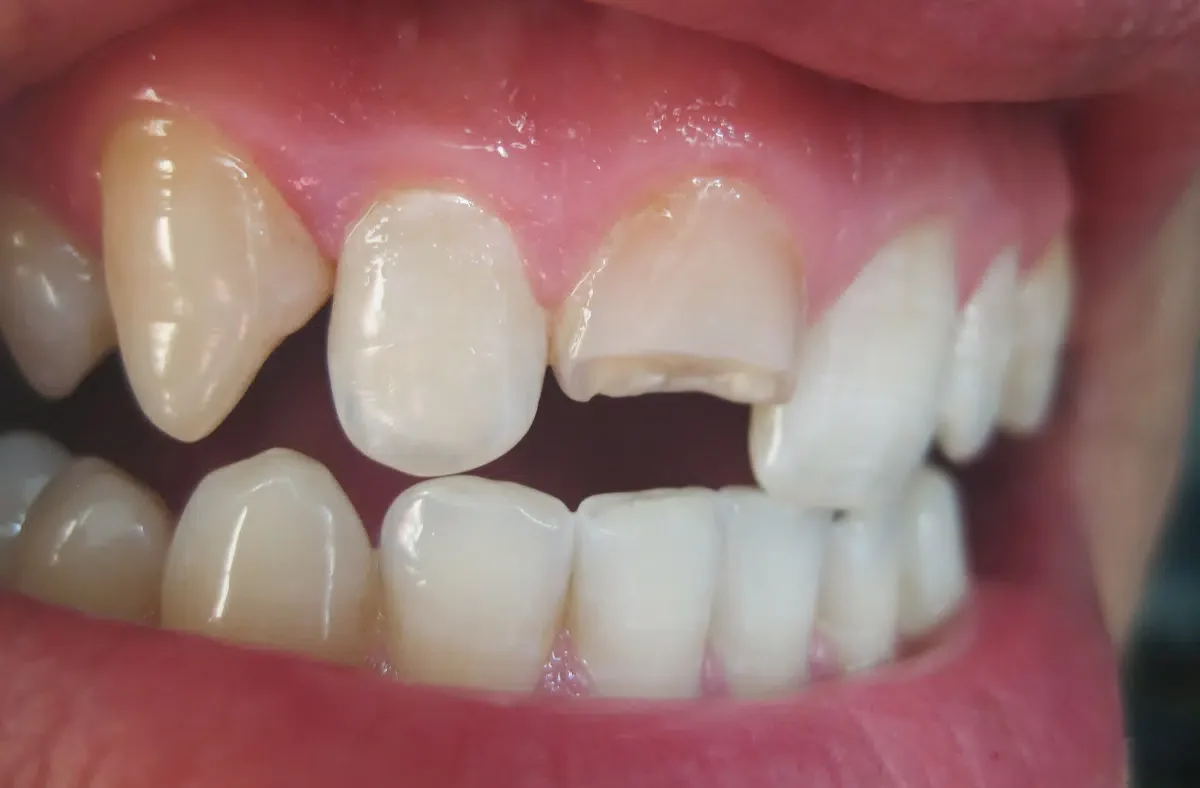
A cracked tooth can shock you. You may feel a sharp jolt when you bite or notice a piece of tooth missing. You might see a fine line in the mirror and feel fear rise in your chest. You cannot always reach a Wichita Falls dentist right away. Yet what you do in the next few hours can protect your tooth or cause more damage. This guide gives you clear steps to follow before your appointment. You will learn how to control pain, protect the broken tooth, and lower the risk of infection. You will also see when a crack is an emergency that needs fast care. With simple actions at home, you can guard your mouth and stay steady until a dentist can treat you.
First step: stay calm and look
First, breathe and steady your hands. Fear can push you to chew, poke, or test the tooth. That can cause more harm.
Next, stand in good light. Open your mouth and look at the tooth and gums. Use a clean mirror. Do not press on the tooth. Do not wiggle it.
Ask yourself three questions.
- Do you see blood on the tooth or gum
- Do you see a piece of tooth missing
- Do you feel sharp or throbbing pain
These signs help you judge how urgent the problem is.
Know the common types of cracks
You cannot confirm the exact type of crack at home. Only a dentist can. Yet you can get a rough sense of the risk. That helps you choose what to do next.
| Type of tooth problem | What it may look or feel like | Urgency before you see a dentist |
| Small craze line | Thin line on the enamel. Often no pain. | Call for a visit soon. Not an emergency if no pain. |
| Small chip | Rough edge. Mild pain to cold or sweet. | Need care soon. Use home care to protect the tooth. |
| Crack when biting | Pain when you bite down. Pain eases when you stop. | Urgent. Call the dentist the same day if you can. |
| Large piece broken | Part of tooth gone. Food traps easily. | Urgent. High risk of deeper damage or infection. |
| Severe crack with swelling | Strong pain. Swelling or bad taste. Trouble chewing. | Emergency. Seek care right away or go to urgent care. |
When you must get emergency help
Some signs mean you should not wait.
- Swelling in your face or jaw
- Fever or chills
- Pain that keeps you from sleeping
- Red or puffy gum near the tooth
- Yellow or bloody fluid in your mouth
- Trouble breathing or swallowing
If you notice any of these, seek urgent care or an emergency room. A cracked tooth can let germs into deeper tissue. That can turn into a serious infection.
How to control pain safely
You can ease pain until the dentist can see you. Use simple steps.
- Rinse your mouth with warm salt water. Use one-half teaspoon of salt in eight ounces of warm water. Swish gently. Spit it out. Do this a few times a day.
- Use cold on the cheek. Wrap a cold pack or ice in a cloth. Place it on the cheek near the tooth for ten minutes. Then take it off for ten minutes.
- Use over-the-counter pain medicine as the label directs. Many people use acetaminophen or ibuprofen. Follow the dose on the package. Ask a doctor or pharmacist if you are not sure. Do not place pills on the tooth.
Never use aspirin on the gum or tooth. It can burn the tissue. Never use alcohol on the tooth. It can irritate the crack and gum.
How to protect the cracked tooth
Your goal is to keep the tooth clean, covered, and still. That lowers pain and keeps the crack from spreading.
- Chew on the other side of your mouth. Cut food into small bites.
- Avoid hard, sticky, or chewy food. Skip nuts, ice, hard candy, and gum.
- Do not grind or clench your teeth. If you do this at night, tell your dentist.
If the broken edge feels sharp, you can try a short-term cover.
- Use over-the-counter dental wax or temporary filling material. Many pharmacies carry these. Wash your hands. Dry the tooth gently with a clean tissue. Then place a small amount over the crack or sharp edge as the product label directs.
- If you cannot find dental wax, you can use sugar-free chewing gum as a last resort. Chew until soft. Then press it gently over the sharp spot. This is only a brief step until you can reach a dentist.
Do not use glue or any household product on a tooth. These products can poison you or damage the tooth and gums.
Keep the mouth clean without hurting the tooth
A cracked tooth collects germs and food. Cleaning is still important. You just need to use care.
- Brush your teeth gently with a soft brush. Move slowly near the cracked tooth.
- Floss around the tooth with care. Slide the floss in and out. Do not snap it down on the gum.
- Rinse after every meal with warm water or warm salt water. This helps wash away food pieces.
A clean mouth lowers the chance of infection. It also makes treatment easier for the dentist.
What to tell the dentist when you call
When you call for an appointment, share clear facts. This helps staff decide how soon you should be seen.
- When the crack or break started
- What you were doing when it happened
- Where the tooth is in your mouth
- How strong the pain is on a scale of 1 to 10
- Any swelling, fever, or bad taste
- Any medicine you took and when
If a piece of tooth broke off, save it. Rinse it gently with clean water. Place it in a small container with milk or saliva. Bring it to your visit. In some cases, the dentist can use it.
How dentists often treat cracked teeth
Treatment depends on how deep the crack goes and how early you seek help. The National Institute of Dental and Craniofacial Research explains that dentists try to save natural teeth when they can.
Your dentist may suggest one of three common options.
- Polish or small filling for tiny chips
- Crown to cover and protect a larger crack
- Root canal if the crack reaches the nerve
In rare cases, the tooth may need removal if the crack goes under the gum and into the root. Early care lowers this risk.
Protect your teeth from future cracks
You cannot prevent every crack. Yet you can lower the chance of more damage.
- Do not chew ice, pens, or hard candy.
- Wear a mouth guard for sports.
- Ask about a night guard if you grind your teeth.
- See a dentist for routine checkups and cleanings.
Each crack tells a story. It can warn you that you chew on hard foods, skip visits, or grind in your sleep. When you listen and act, you protect every other tooth in your mouth.
You may feel scared when a tooth cracks. You may feel angry. Those feelings are real. Still, with quick steps at home and timely care from a dentist, you give that tooth the best chance to stay in your mouth and work for you every day.
Apart from that, if you want to know more about How Routine Dental Care Builds A Foundation For Lifelong Oral Health then visit our Health category.