

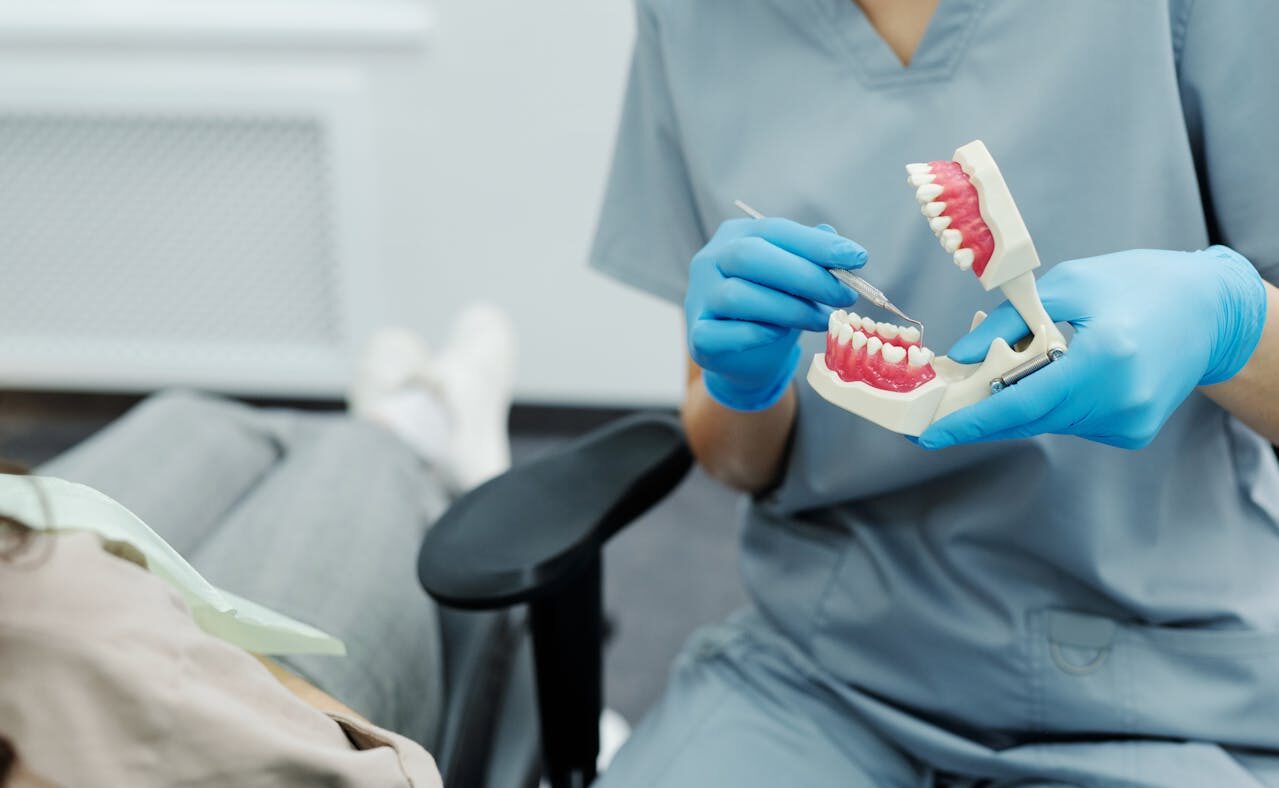
Healthy teeth start with what you understand, not just what your dentist does in the chair. When you know why plaque forms, how cavities grow, and what your daily habits do to your mouth, you gain control. You stop feeling nervous and start making clear choices. You brush with purpose. You floss with care. You show up for checkups before pain forces you in. Patient education turns quick cleanings into strong protection. It also cuts surprise costs and urgent visits that drain your time and energy. Family dentistry in Applewood Mississauga treats every visit as a short class. You learn simple steps that fit your life, not long lectures you forget in the car. This blog explains how good information, clear talk, and honest guidance build real preventive success for you and your family.
Why knowledge matters more than drills and tools
A filling can fix one tooth. Clear knowledge can protect every tooth in your mouth. When you understand what hurts your teeth, you change what you do each day. That change is where real prevention starts.
Patient education gives you three strong advantages.
- You see problems early.
- You know what to do at home.
- You feel less fear in the chair.
First, you notice warning signs. You see bleeding gums, white spots, or bad breath as signals, not random annoyances. You call sooner. Treatment stays small.
Next, you know the right steps at home. You stop guessing about toothbrushes, toothpaste, and mouthwash. You follow clear, simple directions, not social media myths.
Finally, you feel calmer during visits. When your dentist explains what is happening and why, your body relaxes. You breathe easier. You ask better questions. That calm mood helps your child, too.
What you need to know about decay and gum disease
You do not need dental school. You only need a few key truths about how disease starts and grows.
- Plaque is a sticky film of germs that forms on teeth every day.
- Sugar feeds these germs. They make acid that eats tooth enamel.
- If plaque sits, it hardens into tartar that you cannot brush away.
- Gums swell and bleed when plaque sits along the gumline.
The United States Centers for Disease Control and Prevention explains that tooth decay is one of the most common chronic health problems in children and adults, yet it is almost always preventable with strong daily care and regular visits.
Once you know this pattern, prevention feels simple. You remove plaque often. You limit sugar. You protect enamel with fluoride. You let the dental team clean what you miss.
Daily habits that turn education into results
Knowledge works only when you use it. You turn teaching into success through three daily habits.
- Twice daily brushing with fluoride toothpaste.
- Daily flossing between every tooth.
- Smart choices about food and drinks.
Here is how patient education shapes each habit.
For brushing, you learn how long to brush, how hard to press, and where to focus. You also learn when to change your brush. You stop scrubbing and start cleaning with care.
For flossing, you learn that bleeding at first is common. You also learn how to curve the floss and clean the side of each tooth. You stop snapping the floss and hurting your gums.
For food and drinks, you learn that frequency matters. You see that sipping sweet drinks all day harms teeth more than one short treat. You start using water as your main drink. You save sweets for limited times.
How patient education saves time and money
Preventive care feels small in the moment. A short lesson during a checkup can feel easy to ignore. Yet that short talk can save you hours and heavy bills later.
The National Institute of Dental and Craniofacial Research reports that strong preventive habits and regular care reduce the need for emergency treatment and complex work.
The table below compares a mouth with good patient education and a mouth without it over several years.
| Factor | With strong patient education | With little or no patient education |
|---|---|---|
| Checkup visits | Regular cleanings and exams on schedule | Irregular visits only when pain starts |
| Cavities over 5 years | Fewer and found early | More and found late |
| Treatment type | Small fillings and sealants | Root canals, crowns, or extractions |
| Out of pocket costs | Lower and more predictable | Higher and often sudden |
| Missed school or work | Rare short visits | Frequent urgent visits |
| Comfort and confidence | Calm mood and good trust | Anxiety and dread before visits |
Teaching the whole family together
Dental education works best when every person in the home shares the same message. Children watch what you do. They copy your brushing, your snacks, and your attitude toward the dentist.
You can build a strong home routine with three simple steps.
- Brush and floss at the same time as your child.
- Use simple words to explain what you do and why.
- Turn checkups into a shared plan, not a punishment.
First, shared brushing turns a chore into a short team task. You both stand at the sink. You both reach the two-minute mark. You both finish with a quick smile check.
Next, simple words help children understand. You can say, “We brush to clean the sugar bugs” or “We floss to clean between where the brush cannot reach.” You repeat the same short lines each night. The message becomes part of your child’s thinking.
Finally, you frame visits as protection, not blame. You avoid shaming words. You focus on what went well and what you will try next. Your child learns that the dentist is a helper, not a threat.
How to get the most from every dental visit
Patient education is a two-way street. You listen. You also speak up. You have a right to clear answers.
You can use three questions at every visit.
- What do you see in my mouth today
- What can I change at home to improve things
- What should I watch for before my next visit
First, you ask what the dental team sees. You want plain language, not code. You ask them to show you with a mirror or a photo.
Next, you ask what you can change at home. You might adjust how you brush, how often you floss, or what you drink. You leave with one or two clear actions, not a long list.
Finally, you ask what to watch for. You learn which signs mean “call soon” and which signs are normal. That knowledge gives you calm control between visits.
Turning knowledge into lifelong protection
Preventive dental success is not luck. It is the result of small, steady choices guided by clear teaching. When you understand your mouth, you protect your health, your money, and your peace of mind.
You deserve clear words, honest answers, and practical steps. You also deserve a dental team that treats every visit as a chance to teach, not just to treat. When you claim that role as a learner, you give your family a strong shield against decay and pain for years to come.
Want to know about The Role Of Fluoride Treatments In General Dentistry Check out our Health category.