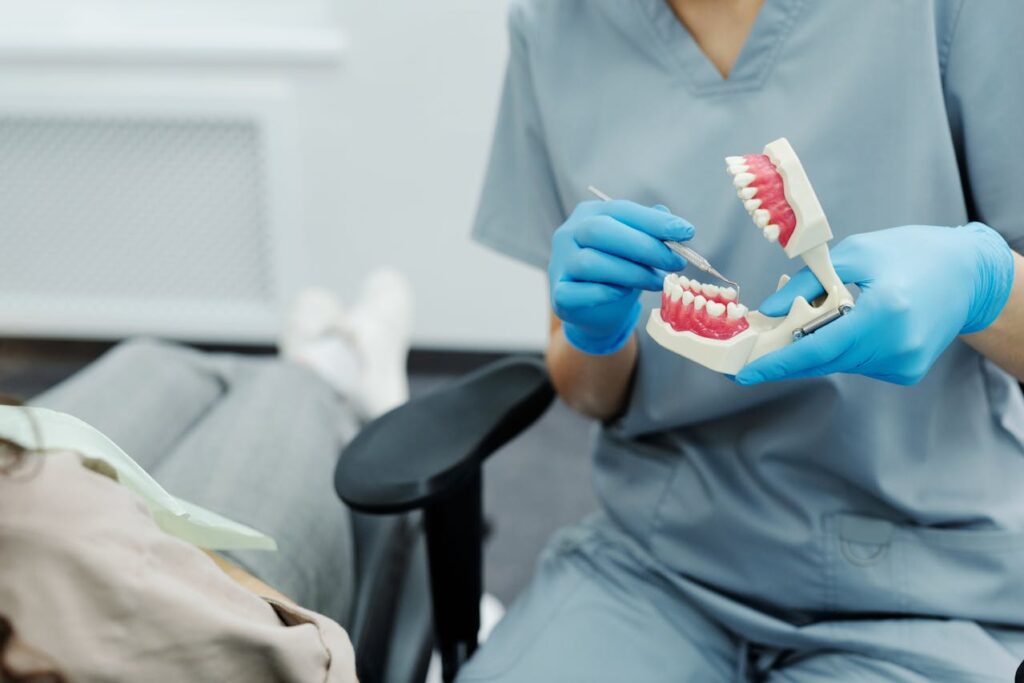


Fluoride treatments protect your teeth from quiet damage that builds over time. You may brush, floss, and watch what you eat. Still, your teeth face steady attacks from acids and bacteria. Regular fluoride treatments give your enamel a strong shield. These treatments slow early tooth decay and can even help repair weak spots before they turn into cavities. Many people think fluoride is only for children. That belief is false. You can benefit from fluoride at any age if you have a history of cavities, dry mouth, gum disease, or sensitive teeth. A trusted dentist in North San Antonio can review your daily habits, check your risk for decay, and suggest a fluoride plan that fits your needs. This simple step can reduce pain, lower treatment costs, and keep your natural teeth working longer.
What Fluoride Is And How It Works
Fluoride is a natural mineral found in water, soil, and some foods. Your teeth need it every day. Acids from food and bacteria pull minerals out of your enamel. Fluoride puts minerals back in. This process is called remineralization. It makes your enamel harder and more resistant to decay.
At the same time, fluoride changes how bacteria behave. It weakens the bacteria that cause cavities. It also slows the way they use sugar to produce acid. As a result, your mouth becomes a harsher place for decay to grow.
You take in fluoride in three main ways. You drink it in water. You put it on your teeth in toothpaste and mouth rinses. You also receive it in stronger form from your dentist.
Daily Fluoride Versus Professional Treatments
You use fluoride every day when you brush. That daily contact matters. Still, there are times when you need more support. Professional fluoride treatments use a higher amount of fluoride for a short time. This provides a strong boost when your teeth are under stress.
Daily Fluoride Products Compared With Professional Treatments
| Type | Where You Get It | Fluoride Level | How Often | Main Purpose |
|---|---|---|---|---|
| Fluoridated tap water | Public water supply | Low | Every day with drinking and cooking | Steady background protection |
| Fluoride toothpaste | Home use | Low to moderate | Twice a day | Daily cavity prevention |
| Fluoride mouth rinse | Home use | Low to moderate | Once a day or weekly | Extra help for high risk |
| Professional fluoride gel or foam | Dental office | High | Every 3 to 12 months | Boost for weakened enamel |
| Professional fluoride varnish | Dental office | Very high | Every 3 to 6 months | Targeted repair of early decay |
You can learn more about the benefits of community water fluoridation from the Centers for Disease Control and Prevention.
Who Needs Fluoride Treatments Most
Everyone can gain from fluoride. Yet some people face a higher risk. You may need regular fluoride treatments if you have any of these conditions.
- Frequent cavities now or in the past
- Dry mouth from medicines, cancer treatment, or health issues
- Gum disease that exposes the roots of your teeth
- Braces or other devices that trap food
- High sugar intake or frequent snacking
- Sensitive teeth when you drink cold or hot liquids
Children and teens often benefit because their enamel is still forming. Adults with many fillings or crowns also need fluoride. Their older dental work can fail faster without support.
What To Expect During A Fluoride Treatment
A fluoride treatment is quick and painless. You sit in the chair as you would for a cleaning. Your dentist or hygienist dries your teeth. Then fluoride is placed on the surfaces of your teeth as a gel, foam, or varnish.
With gel or foam, a tray holds the fluoride against your teeth for a few minutes. With varnish, a small brush paints it on. It sets fast as it contacts your saliva. You may be asked to avoid food or drink for a short time after. Your dentist will give clear instructions.
The entire process usually takes only a few minutes. Yet the protection can last for months.
Safety Of Fluoride For Your Family
Fluoride use in dentistry has been studied for many decades. When used as directed, it is safe for children and adults. Professional treatments use a controlled amount. Your dentist adjusts the type and frequency based on your age, size, and health.
The American Dental Association explains how fluoride prevents cavities and supports lifelong oral health.
At home, keep fluoride toothpaste out of reach of very young children. Use only a smear the size of a grain of rice for children under three. Use a pea-sized amount for children three to six. Teach children to spit out toothpaste instead of swallowing it.
How Fluoride Fits Into General Dentistry
Fluoride is one part of a larger plan to keep your mouth healthy. General dentistry focuses on three simple steps. These steps work together.
- Regular checkups and cleanings
- Daily brushing and flossing
- Targeted treatments like fluoride and sealants
During routine visits, your dentist looks for early signs of decay. When weak spots appear, fluoride treatments are often the first step. This approach can prevent the need for fillings, crowns, and root canals. It protects both your teeth and your budget.
When To Talk To Your Dentist About Fluoride
You should bring up fluoride if you notice any of the following.
- New sensitivity to cold, heat, or sweets
- White or brown spots on your teeth
- More plaque buildup even with regular brushing
- Changes in medicines that cause dry mouth
Ask direct questions. How high is your cavity risk? How often should you receive fluoride treatments? Which form is best for you and your children? Your dentist can also suggest home fluoride rinses or prescription toothpaste if needed.
Protecting Your Smile For The Long Term
To protect your teeth, focus on three habits. First, use fluoride toothpaste twice a day and drink tap water when possible. Second, keep regular dental visits and follow through with suggested fluoride treatments. Third, limit sugary drinks and snacks that feed decay.
These steps are simple. They guard your teeth from silent damage and reduce the chance of painful problems later. With steady care and smart use of fluoride, you give your mouth a strong defense that lasts for life.
Apart from that if you want to know about 5 Ways General And Cosmetic Dentistry Work Together For A Complete Smile then please visit our Health Category.