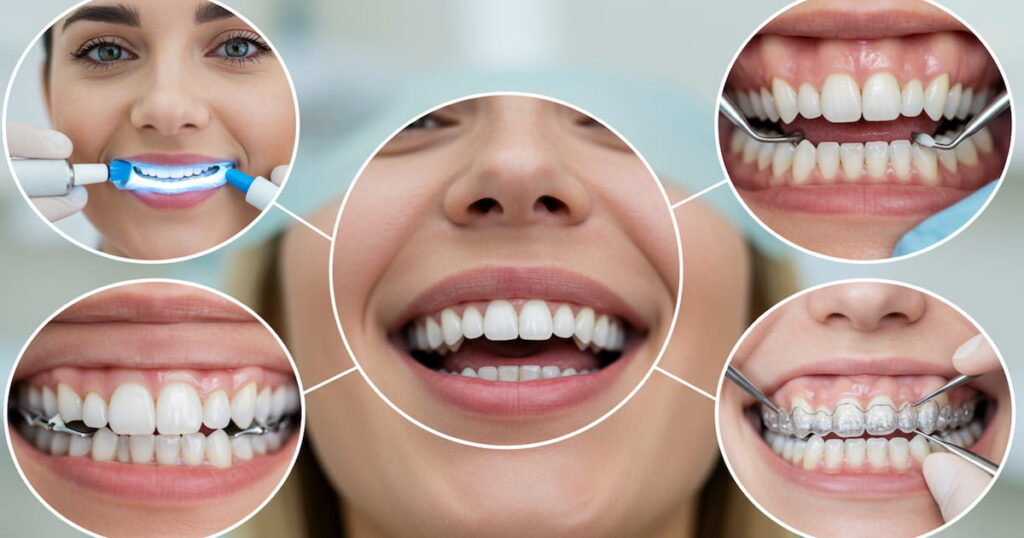


Dental work should last. You invest time, money, and courage to repair a tooth. You deserve to keep that crown, filling, or bridge strong for as long as possible. Preventive dentistry is how you protect that investment. Regular cleanings, honest exams, and simple home care can slow wear, stop decay, and keep small problems from breaking your restorations. You do not need special tools or complex routines. You need steady habits and a care team that watches small changes early. This blog explains how routine visits, smart daily brushing, and careful choices with food and drink work together to extend the life of your restorations. It also shows how Winnsboro dental services can support you with practical steps that fit your life. You will see what to do, what to avoid, and when to act fast so your dental work stays strong, comfortable, and useful for many years.
Why Restorations Fail So Often
Every filling, crown, or bridge faces three constant threats. These are plaque, pressure, and delay in care. Each one slowly weakens your dental work.
- Plaque and decay. Bacteria hide along the edge of a filling or crown. They feed on sugar and release acid. That acid softens tooth structure at the margin. The restoration may stay in place while decay grows under it.
- Pressure and grinding. Clenching and grinding place heavy force on small points. Over time, this causes cracks, chips, or loose cement.
- Delay in care. Small chips, sore gums, or food caught between teeth often seem easy to ignore. With time, these early signs grow into fractures or deep decay that destroy the restoration.
Preventive dentistry aims at these three threats. You lower bacteria, balance pressure, and act early.
Daily Habits That Protect Your Dental Work
Home care shapes how long your restorations last. You control what rests on your teeth all day and night. You also control how much force you place on them.
Use three simple steps each day.
- Brush two times each day. Use a soft brush and fluoride toothpaste. Angle the bristles toward the gumline. Spend extra time where the tooth meets the filling or crown. Brush for two minutes.
- Clean between teeth once each day. Use floss, floss holders, or small brushes. Slide gently under the edges of crowns and bridges. Clean both sides of the gap.
- Rinse with water after sugar or acid. After you drink soda, juice, sports drinks, or eat sweets, swish water for 30 seconds. Spit out. This simple step cuts acid time on the teeth.
The Centers for Disease Control and Prevention explains that good brushing and cleaning between teeth lowers the risk of decay and gum disease. That same protection shields the edges of your restorations.
Food, Drinks, and Habits That Shorten Restoration Life
What you eat and how you use your teeth can destroy even strong dental work. Three habits cause most problems.
- Frequent sugar snacks. Constant sipping or nibbling feeds bacteria all day. This creates long periods of acid attack at the margin of fillings and crowns.
- Hard and sticky foods. Ice, hard candy, and sticky caramels can pull on restorations and create cracks or loosen them.
- Using teeth as tools. Opening packages or biting nails places sharp force on small edges and corners. This often starts a fracture line.
Choose three simple changes.
- Keep sweets with meals instead of alone.
- Limit soda and sports drinks. Choose water between meals.
- Use scissors or proper tools instead of your teeth.
How Professional Care Extends Restoration Life
Dental visits are not only for pain. They are for small changes that you cannot see or feel. A short visit can add years to a crown or filling.
During a preventive visit, your care team can
- Check the edges of fillings and crowns with gentle tools.
- Look for tiny cracks or leaks around restorations.
- Take X-rays when needed to see under and between restorations.
- Clean hardened plaque that your brush cannot remove.
- Polish rough spots that trap bacteria.
The National Institute of Dental and Craniofacial Research explains that decay often starts in hidden spots. Early detection keeps treatment smaller. That means a simple repair instead of a full replacement.
Typical Lifespans With and Without Preventive Care
Every mouth is different. Still, research and clinical experience show a clear pattern. Restorations last longer when you keep regular checkups and daily care.
| Type of restoration | With strong preventive care | With poor preventive care |
|---|---|---|
| Small tooth colored filling | 10 to 15 years | 3 to 7 years |
| Silver filling | 12 to 20 years | 5 to 8 years |
| Crown on back tooth | 15 to 20 years or more | 7 to 10 years |
| Bridge | 10 to 15 years | 5 to 8 years |
| Implant crown | 15 years or longer | 5 to 10 years |
These numbers are not promises. They are simple guides. The pattern stays clear. Clean teeth, lower sugar, and steady checkups add years.
Special Protection for Night Grinding and Sports
Many people grind or clench during sleep. Others play contact sports. In both cases, protection devices guard your restorations from impact and heavy force.
- Night guard. A custom guard spreads the pressure across the teeth. It prevents chips on crowns and wear on fillings.
- Sports mouthguard. This soft shield absorbs impact. It lowers the chance that a hit to the face will crack a crown or break a bridge.
If you wake with sore jaw muscles, headaches, or notice flat or chipped teeth, ask about a night guard. If you or your child play sports with contact or fast movement, use a mouthguard for every practice and game.
Warning Signs You Should Never Ignore
Small signals often show up before a restoration fails. Act when you notice
- Sensitivity to cold or sweet at the edge of a filling or crown.
- Food packing between teeth that did not trap food before.
- A rough edge you feel with your tongue.
- Dark lines at the margin of a filling or crown.
- Gum swelling or bleeding around one tooth.
Quick repair in these moments is often simple. Waiting can lead to root canal treatment, crown replacement, or loss of the tooth.
Building a Simple Long Term Plan
You do not need a complex plan. You need three steady steps.
- Brush and clean between teeth every day.
- Limit sugar and acid and protect teeth during sleep and sports.
- Keep regular checkups and call fast when something feels wrong.
When you follow these steps, you protect the work you already paid for and the teeth you still have. You keep pain low, treatment smaller, and choices open. You also protect your confidence in your smile and your ability to eat without fear.
Apart from that if you want to know about Why Fluoride And Sealants Are Crucial In General Dentistry then please visit our Health Category.