
Surgery shakes your routine and your sense of safety. Recovery can feel uncertain. You want your pet to heal without setbacks or hidden problems. Animal hospitals keep that recovery on track. Staff watch for pain, infection, or breathing trouble. They adjust medications fast. They act when seconds matter. You get clear updates and simple instructions. You also get a plan for the first night at home, the first week, and the first month. This steady support protects your pet from avoidable harm. It also protects you from guesswork and regret. Whether your pet needs a simple lump removal or a complex bone repair, the right team matters. A veterinarian in Emeryville, Lakeshore, ON can guide every step. You do not have to manage this alone.
Why home care alone is not enough
You know your pet best. You see every small change. Still, surgery recovery at home without hospital support carries real risk. Pain can spike fast. Bleeding can start without warning. A stitch can pull. You may not see the first signs until the problem grows.
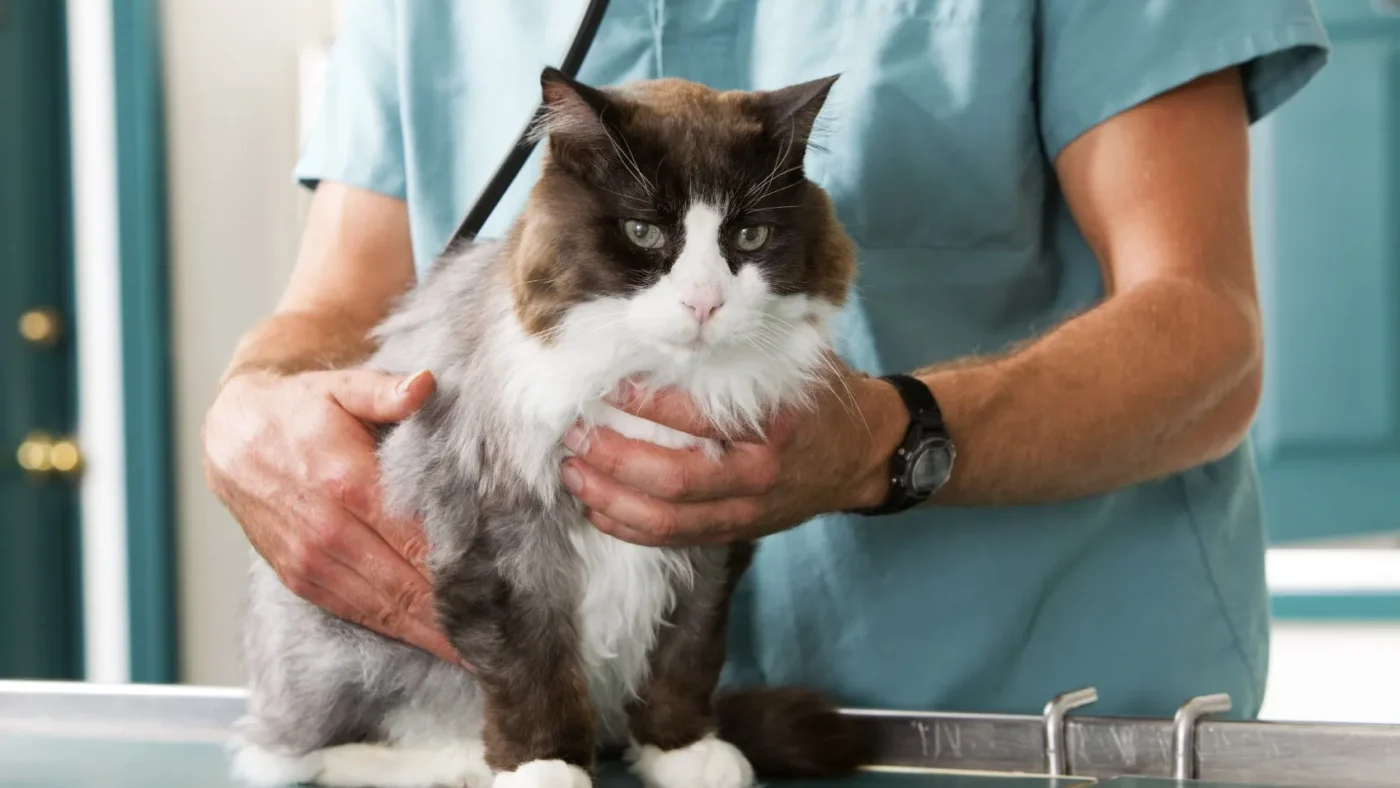
Animal hospitals give your pet what a home cannot. They have trained staff. They have constant checks. They also have tools that catch trouble early. These include blood work, imaging, and heart monitors. Early action keeps small problems from turning into long nights, emergency bills, or loss.
What animal hospitals do in the first 24 hours
The first day after surgery shapes the rest of healing. In that window, animal hospitals focus on three core needs. These are pain control, safe breathing, and stable vital signs.
- Pain control. Staff gives pain medicine on time. They change the dose based on how your pet moves, cries, or rests.
- Breathing and heart checks. Staff watch oxygen levels and heart rate. They act fast if numbers drift.
- Temperature and hydration. Staff keep your pet warm and hydrated. They use warmers and IV fluids when needed.
The American Veterinary Medical Association stresses the need for close checks right after surgery. That watchful care is hard to match at home. In a hospital, your pet never sits alone while still groggy or confused.
Ongoing checks that prevent setbacks
Recovery is not a straight line. Your pet can seem bright one day and sore the next. Animal hospitals expect this. They build follow-up visits and phone checks into the plan.
These checks focus on three things. They look at the incision. They measure pain. They track eating and drinking. Staff looks for swelling, redness, or any fluid at the cut. They watch how your pet stands, walks, and lies down. They also ask about bathroom habits.
The Ohio State University College of Veterinary Medicine explains that regular rechecks after surgery catch infection and wound problems before they spread.
Hospital care vs home care alone
The table below shows how animal hospital support compares with home care alone for common needs after surgery.
| Recovery need | With animal hospital support | Home care alone |
|---|---|---|
| Pain control | Staff adjust medicine based on real-time checks. Multiple options are ready. | You follow a fixed schedule. Hard to judge when to change the dose. |
| Infection risk | Clean setting. Staff catches early redness and swelling. | More dust and germs. Early signs easy to miss. |
| Breathing and heart watch | Monitors track oxygen and heart rate. Rapid response if values change. | Changes can stay hidden until your pet struggles. |
| Fluid and food intake | IV fluids ready. Staff tempt your pet with safe food choices. | Hard to place IV. You may not spot mild dehydration. |
| Emergency response | Team, tools, and medicine in the same space. | You must travel while your pet is in crisis. |
| Owner support | Clear teaching. Written steps. Quick answers. | Online search and guesswork. High stress. |
How animal hospitals support you at home
Hospital care does not end when you walk out the door. Instead, staff set you up to manage the next steps at home. They send you home with three key tools. You get clear written instructions. You get safe medicine with simple labels. You also get contact information for questions day or night.
Written instructions show you how the incision should look, how much your pet should eat, and how much activity is safe. They describe warning signs in plain words. These include sudden swelling, foul smell, nonstop licking, or refusal to eat.
Staff also teach you how to use a cone, harness, or sling. They show you how to give pills or liquid medicine without a fight. This hands-on teaching calms fear and cuts down on mistakes.
Protecting children and family during recovery
Family members feel the strain when a pet comes home after surgery. Children may want to hug, play, or share snacks. That love can cause harm if no one guides them.
Animal hospitals help you set house rules. They suggest three simple limits. Keep rough play away from the pet. Keep noise low around the resting spot. Keep human food and pet medicine in adult hands only.
Staff can also explain to children why the cone, stitches, or bandages matter. This clear talk turns fear into care. It helps children feel included instead of shut out.
When to call the animal hospital right away
You should never wait if something feels wrong. It is better to call and hear that things are fine than to stay silent and hope. Call the animal hospital at once if you see any of these signs.
- Hard or fast breathing
- Pale gums or gray tongue
- Continuous crying or restlessness
- Incision opens, bleeds, or leaks thick fluid
- No eating or drinking for 24 hours
- No urine or stool for 24 hours
- Sudden swelling near the surgery site
These signs do not always mean disaster. They do mean your pet needs expert eyes and hands now.
Standing with you through the full healing journey
Surgery is one hard day. Recovery takes many days. An animal hospital stands with you through that full stretch. The team manages pain, checks wounds, and guides activity. They answer late-night fear and early morning doubt. They keep your pet safe while the body repairs itself.
You bring love, time, and comfort. The hospital brings skill, tools, and constant watch. Together, you give your pet the strongest chance at safe healing and a return to normal life.
If you want to know more about Why Veterinary Record Keeping Improves Long Term Care then visit our Pets category.