
You want your pet to live longer and hurt less. Food and weight shape that future. Many pets eat too much or eat the wrong food. Extra weight strains joints, organs, and mood. It steals years. A vet clinic studies your pet’s body, age, breed, and daily routine. Then the staff designs a plan that fits only your animal. They measure weight. They check the muscle. They ask hard questions about snacks and table scraps. Then they give clear steps. You learn what to feed, how much, and when to adjust. You also gain support when change feels hard. Each recheck visit tracks progress and resets the plan when life shifts. If you search for help, terms like veterinarian Princeton can start that path. You do not need to guess anymore. You can use expert guidance and protect your pet with calm, steady progress.
Why Extra Weight Hurts Your Pet
Extra weight does more than slow your pet. It changes the body.
- Joints carry more load and start to wear
- Heart and lungs work harder every hour
- Blood sugar swings and raises diabetes risk
The Association for Pet Obesity Prevention reports that most dogs and cats in the United States live with extra weight. That means many families face this same struggle. You do not stand alone. You also do not need to feel shame. Weight gain often grows over time in quiet steps. A clinic visit can stop that slide.
How A Vet Checks Your Pet’s Nutrition Status
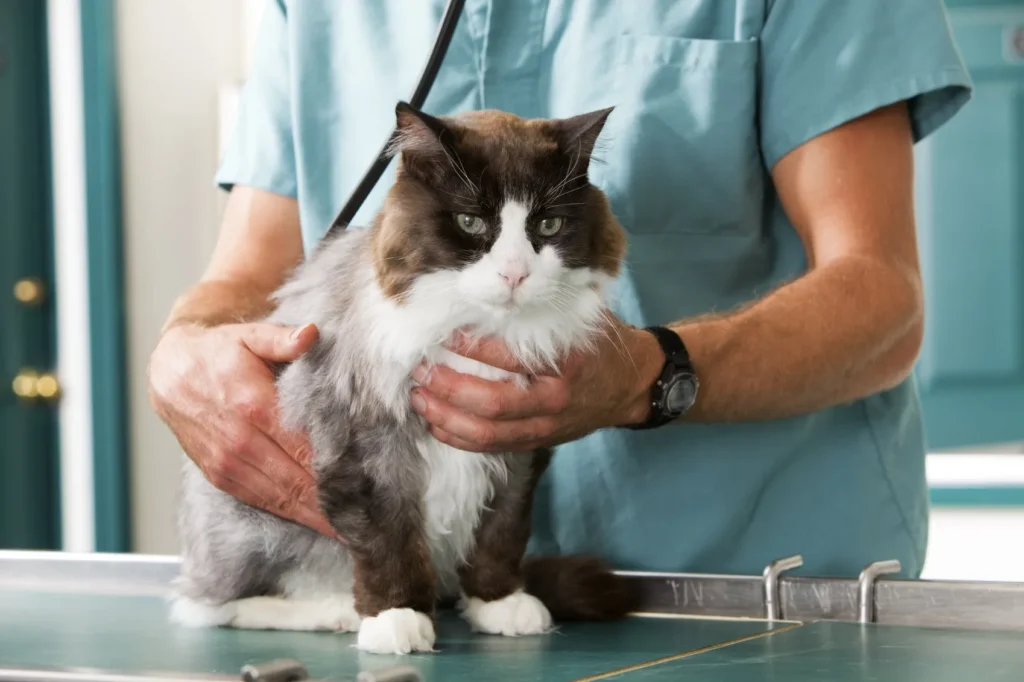
A clinic visit for weight and food looks simple from the outside. Inside the exam room, the staff follow a clear structure.
- They record weight on a scale
- They score body condition with hands and eyes
- They feel the ribs and spine to judge fat and muscle
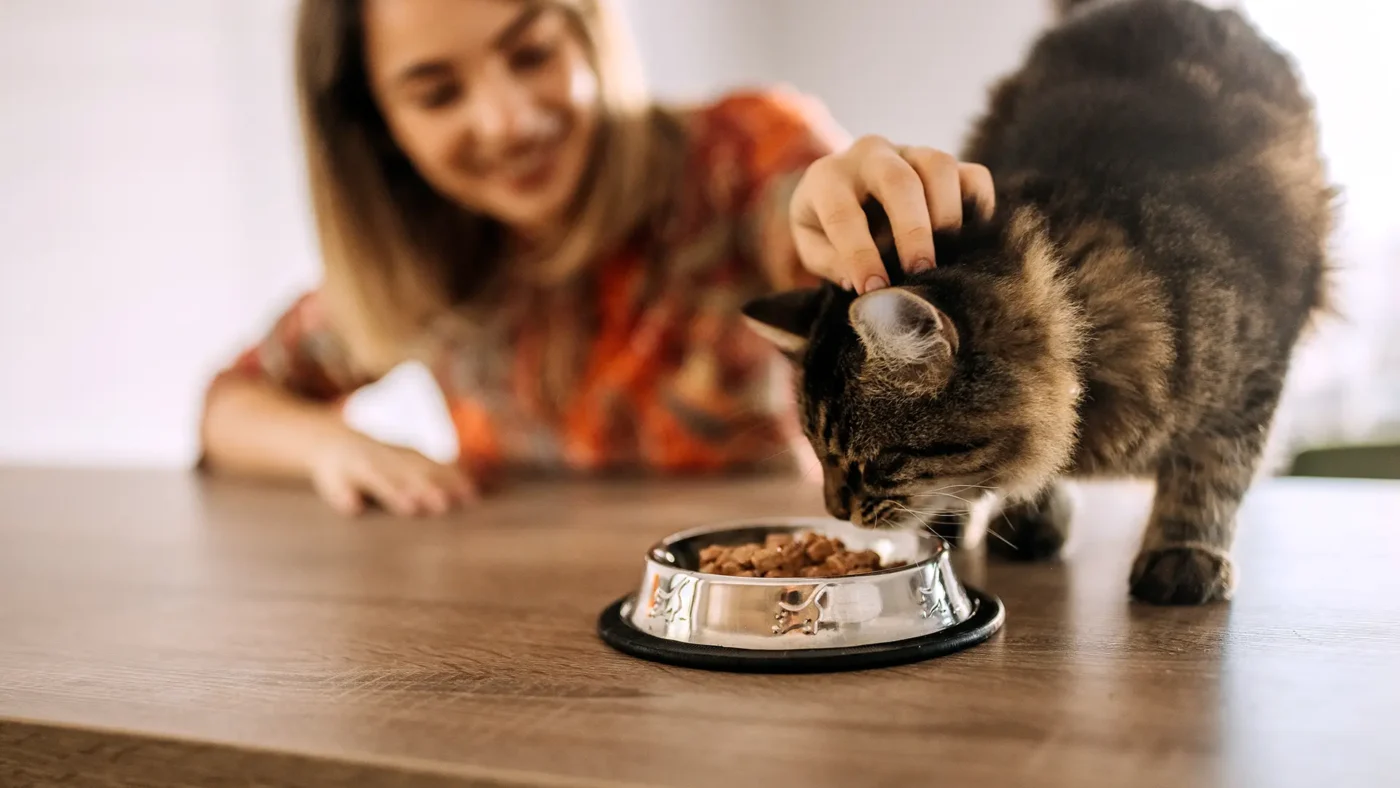
Next, they ask about meals. You share the brand, flavor, and amount of food. You list treats, table scraps, and chews. You talk about walks, play, and sleep. This story shows how many calories go in and how many go out. It also shows habits that block change, such as constant free feeding.
For many pets, vets use research from groups such as the World Small Animal Veterinary Association nutrition guidelines. These tools help staff check if the food meets basic needs for age and health.
Building A Tailored Feeding Plan
Once the clinic understands your pet, the staff builds a clear plan. It often has three parts.
- Goal weight and body shape
- Daily calories and food choice
- Schedule for meals, treats, and rechecks
They pick a target weight based on breed and frame. Then they set a safe rate of loss or gain. Fast change hurts the liver and muscles. Steady progress protects health.
Next, they choose a food. Some pets do well on regular adult food with smaller portions. Others need food with higher protein or lower fat. Some need kidney or joint support. The plan also sets treatment rules. Many clinics use a simple rule. Treats stay under ten percent of daily calories. That still leaves room for joy.
Sample Daily Calorie Targets
Every pet is unique. Still, typical plans follow a pattern. The table below shows examples of healthy adult pets that need weight loss. Your vet may use different numbers based on tests and age.
| Pet type | Current weight | Target weight | Example daily calories for loss |
|---|---|---|---|
| Small dog | 20 lb | 15 lb | 350 kcal |
| Medium dog | 50 lb | 40 lb | 700 kcal |
| Large dog | 90 lb | 75 lb | 1,150 kcal |
| Indoor cat | 15 lb | 10 lb | 180 kcal |
These numbers show how easy it is to undo a plan. A handful of rich treats can equal half a day of food. A clinic team helps you line up treats with the calorie goal so your pet still feels joy and stays safe.
How Vet Clinics Track Progress Over Time
Weight work does not end with one visit. It needs check-ins. Most clinics ask you to return every four to eight weeks. At each visit they
- Weigh your pet on the same scale
- Repeat the body condition score
- Ask about hunger, energy, and mood
If weight drops too fast, they raise calories. If weight stays stuck, they lower calories or add more play. They may shift to a new food if your pet seems hungry or loses muscle. This careful watch protects health while your pet moves toward the goal.
Role of Exercise And Play
Food change alone rarely works. Movement burns calories and wakes up stiff joints. It also gives your pet joy. You do not need long runs. You can use three simple tools.
- Short, regular walks or play sessions
- Food puzzles that turn meals into games
- Indoor play for cats, such as feather toys or climbing
For pets with joint pain or heart disease, your vet may suggest gentle options such as short walks on soft ground or swimming. Always ask before you start a new routine. The U.S. Food and Drug Administration offers safety tips for pet products and treats at this pet safety page. These tips help you avoid chews or toys that add calories or risk.
How Your Family Can Support The Plan
Weight plans work best when every person in the home follows the same rules. That can feel hard. It also protects your pet.
- Post the daily food amount on the fridge
- Measure food with a marked cup
- Trade table scraps for play or brushing
Children can help by counting treats and marking walks on a calendar. Older adults can use feeding and walking as a routine that brings purpose. Clear rules reduce begging and guilt. Your pet feels safe because the pattern stays the same.
When To Ask For Extra Help
Some pets gain weight even with strict feeding. That pattern can signal thyroid disease, Cushing’s disease, or other illnesses. If weight change seems strange, ask your vet for blood tests. Early action protects organs and gives your pet a stronger chance.
You do not need to wait for a crisis. If you feel stuck, call your clinic and ask for a nurse visit or a weight check. Many clinics offer quick checks at low or no cost. Those short visits give you feedback and courage.
Taking The Next Step
Food and weight shape every day of your pet’s life. A tailored plan from a vet clinic turns guesswork into clear action. You bring your care and honesty. Staff brings training and structure. Together you can lower pain, raise energy, and stretch the years you share.
If you want to know more about Preparing Your Pet For A Veterinary Appointment then visit our Pets category.