

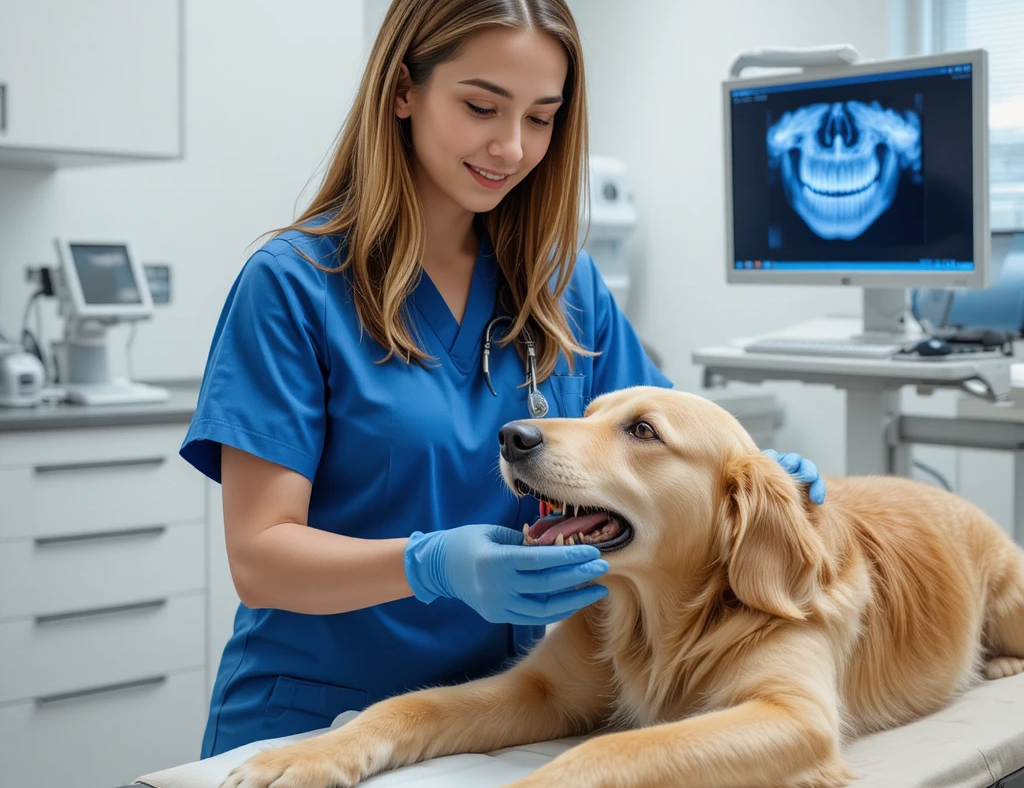
Dental X rays are no longer rare in pet care. You now see them in almost every exam room. There is a clear reason. You cannot see tooth roots, jaw bone, or hidden decay with your eyes alone. You see only the tip of a much larger problem. Many pets suffer in silence with cracked teeth, deep infection, or bone loss. These problems cause constant pain and shorten lives. Routine dental X rays change that. They reveal hidden damage early. They guide safer extractions. They help your vet plan treatment that actually works. At a Langley, BC animal hospital you might notice your pet getting dental X rays during a cleaning. That is now common. It protects your pet’s mouth, heart, and kidneys. It also saves you from repeat visits and surprise costs. This blog explains why this quiet tool is now standard in veterinary care.
What Dental X Rays Show That You Cannot See
Your pet can wag, play, and eat with a mouth full of disease. You often see clean teeth on the surface. You do not see the damage under the gum line. Dental X rays show three hidden parts of the mouth.
- Tooth roots
- Jaw bone
- Deep pockets of infection
The American Veterinary Medical Association explains that most dental disease hides under the gums where simple exams fail to reach. You protect your pet when you see the full picture. You stop guessing. You act on clear proof.
How Dental Disease Hurts The Whole Body
Rotten teeth do more than smell bad. Bacteria from infected gums enter the blood. They travel to the heart, liver, and kidneys. The U.S. Centers for Disease Control and Prevention notes that long-lasting gum disease in people is linked to heart and other organ problems. Pets face the same risk. In three ways, dental disease harms your pet.
- It causes steady mouth pain
- It lowers appetite and weight
- It stresses the heart and other organs
Dental X-rays help your vet spot disease before it spreads. You give your pet a calmer mouth and a stronger body.
Why Dental X Rays Are Now Routine
Vets once used dental X-rays only for clear problems. Now they use them for almost every dental cleaning. There are three main reasons for this change.
- Better tools that give quick images
- Clear proof that most dental disease hides under the gums
- Growing concern for pet comfort and long life
Modern digital systems use much less radiation than old film units. They also give clear images in seconds. That speed keeps anesthesia time short. It also lets your vet adjust care on the spot.
What Happens During A Dental X-Ray Visit
The idea of X-rays can stir fear. Knowing each step can calm you. A standard visit follows this simple path.
- Pre exam and blood work to check organ function
- Safe anesthesia so your pet holds still and feels no pain
- Full mouth dental X rays
- Cleaning above and below the gum line
- Treatment such as extractions if needed
- Recovery and home care plan
Your vet watches heart rate, breathing, and blood pressure the whole time. Pets of all ages can receive dental X rays when care teams plan well.
Comparing Exams With And Without Dental X Rays
The table below shows how a basic oral exam compares to an exam with dental X-rays.
| Feature | Visual Exam Only | Exam With Dental X Rays |
|---|---|---|
| View of tooth roots | No | Yes |
| View of jaw bone loss | No | Yes |
| Detection of hidden fractures | Low | High |
| Chance of missing disease | High | Low |
| Need for repeat dental visits | More likely | Less likely |
| Ability to plan extractions | Limited | Strong |
This difference shapes your pet’s comfort. It also shapes your long-term costs.
Safety And Radiation Concerns
Many families worry about radiation. That concern is natural. It is also important to know how small the risk is. Digital dental X rays use very low doses. Vets shield staff and follow strict rules. They take images only when needed to guide care.
The health gain from finding hidden disease far outweighs the small exposure. You can ask your vet how often your pet needs films. You can also ask what steps the clinic takes to lower the dose. Clear answers build trust.
How Dental X Rays Save Money Over Time
Dental X-rays add a line to your bill. They also cut future costs. When your vet finds problems early, treatment stays simple. You avoid emergency visits for abscesses. You avoid long surgeries to fix severe bone loss. You avoid long courses of medicine that strain organs.
Think in three parts.
- Early finding
- Targeted treatment
- Fewer surprises
This path brings fewer big shocks to your budget. It brings more steady, planned care.
How You Can Support Your Pet’s Dental Health
You play a strong role in your pet’s mouth health. You can take three simple steps.
- Schedule regular dental exams that include X-rays when your vet advises them
- Brush your pet’s teeth with products made for pets
- Watch for bad breath, drooling, dropping food, or face rubbing
When you see any of these signs, call your vet. Do not wait for clear pain. Pets hide pain. Dental X-rays help you hear what your pet cannot say.
If you want to know about Why Veterinary Record Keeping Improves Long Term Care then visit our Pets category.