

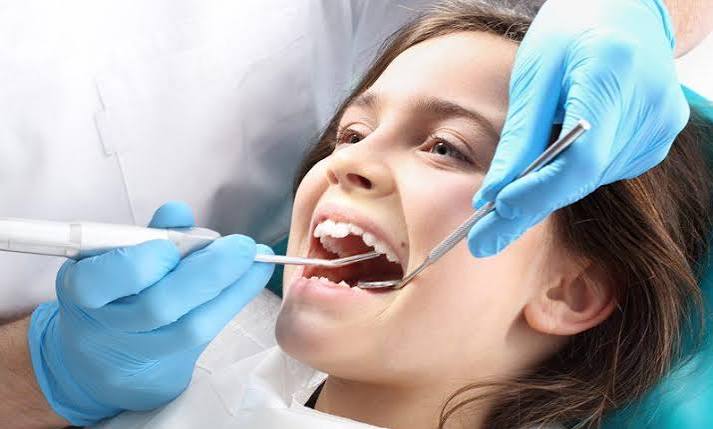
You brush, you remind your child to brush, you try to keep snacks reasonable, and somehow cavities still feel like they are always waiting around the corner. That tension is real, especially when you are trying to make smart choices without adding more cost or more appointments than you need. Dental sealants can sound like one more item on a treatment list, but they are often a simple, preventive step that protects the back teeth where decay starts most often. If you are also researching what to expect during dental implant treatment in Marietta, it helps to know that prevention now can reduce bigger dental needs later.
Dental sealants for children and adults are thin protective coatings placed on the chewing surfaces of molars and premolars. They help block food and bacteria from settling into the deep grooves that toothbrush bristles often miss. Children are common candidates, but adults can benefit too, especially if their back teeth have no fillings or active decay. A family dentist can help you decide if sealants make sense based on cavity risk, tooth shape, and daily habits.
Dental Sealants Protect the Teeth Most Likely to Get Cavities
The back teeth do most of the grinding, and they have pits and grooves that trap plaque easily. Even a child who brushes well can miss those narrow spaces. Adults run into the same problem, especially if they have crowded teeth, dry mouth, frequent snacking, or a history of decay. That is why tooth sealants are used as a barrier. The material flows into the grooves, hardens, and creates a smoother surface that is easier to keep clean.
According to the CDC’s overview of dental sealants, school age children without sealants have more cavities than children with them. Sealants are especially effective on permanent molars soon after they come in, which usually happens around ages 6 and 12. Those early years matter because new molars are cavity prone from the start.
Adults sometimes assume they missed the window. That is not always true. If an adult has deep grooves and no decay in those areas, sealants may still help. A family dentist may also recommend them for teens and college students who are struggling with home care, orthodontic appliances, or a diet that leans heavily on sports drinks and packaged snacks.
Children and Adults Face Different Sealant Decisions
For children, the main issue is timing. If sealants are placed soon after the permanent molars erupt, they can protect those teeth during the years when brushing is still inconsistent and sugar shows up everywhere, from juice boxes to after school treats. Parents often worry that a child will not tolerate the appointment. Sealants are usually quick and painless. No drilling is needed unless decay is already present.
Adults usually have a different concern. They want to know if sealants are worth paying for when they already have fillings, crowns, or years of dental history. The answer depends on the tooth. Sealants only work on surfaces that are still intact enough to seal. If a molar already has a large filling or active cavity, a sealant is not the fix. If the grooves are sound but hard to clean, it can be a smart preventive move.
The National Institute of Dental and Craniofacial Research explains that sealants can last for years, but they need to be checked at regular dental visits. They can chip or wear down over time, and repairs are simple when the problem is caught early. That follow through matters because a worn sealant cannot protect the groove underneath as well as an intact one.
Dental Sealants Work Best as Prevention, Not as a Substitute for Care
Sealants lower risk. They do not make teeth cavity proof. A child can still get decay between teeth if flossing is skipped. An adult can still develop gum problems if plaque sits along the gumline every day. That is where some confusion starts. People hear that sealants protect teeth and assume they replace brushing, fluoride, or routine exams. They do not.
The stronger view is this. Sealants are one layer of protection. Fluoride strengthens enamel. Good home care removes plaque. Dental visits catch changes early. Together, those steps lower the chance that a small problem turns into a filling, a crown, or a painful emergency. The UAB School of Dentistry patient guide on dental sealants also points out that the process is fast and noninvasive, which makes it easier for many families to say yes before decay starts.
Comparing Dental Sealants for Children and Adults
| Factor | Children | Adults |
|---|---|---|
| Best timing | Soon after permanent molars erupt, often around ages 6 and 12 | Any time back teeth have deep grooves and no decay or large fillings |
| Main benefit | Prevents early cavities during high risk years | Protects hard to clean chewing surfaces |
| Common concern | Whether the child can sit through the visit | Whether the tooth is still a good candidate |
| Procedure | Quick, painless coating placed on the tooth surface | Same simple process if the tooth qualifies |
| Limits | Does not protect between teeth or replace brushing | Not useful on teeth with active decay or extensive restorations |
Simple Steps Help You Decide if Sealants Are Right
Check the back teeth closely at the next visit. Ask whether the molars have deep grooves, early staining, or signs that food is getting trapped. A recommendation should be based on the actual shape and condition of the tooth, not age alone.
Look at cavity risk, not just current symptoms. If you or your child have had cavities before, snack often, drink sugary or acidic drinks, or struggle with brushing consistency, that risk profile matters. cavity prevention sealants make the most sense when they are part of a larger prevention plan.
Keep follow up visits on schedule. Sealants need occasional checks for wear or chipping. That is easy to miss because there is no pain when a sealant starts to fail. Regular exams help your family dentist catch problems early and repair the coating before decay starts.
A Family Dentist Can Help You Make a Practical Choice
If you have been wondering whether sealants are necessary, the answer is usually less dramatic than people expect. They are not for every tooth, and they are not a replacement for daily care. They are a low stress, preventive option that can save trouble later when used on the right teeth at the right time. If you are weighing dental sealants for a child, a teen, or yourself, talk with a family dentist about cavity risk, tooth condition, and whether those back teeth are good candidates.
Getting clear advice now can spare you a bigger problem later. Schedule a visit and ask for a sealant evaluation during your next routine exam.