

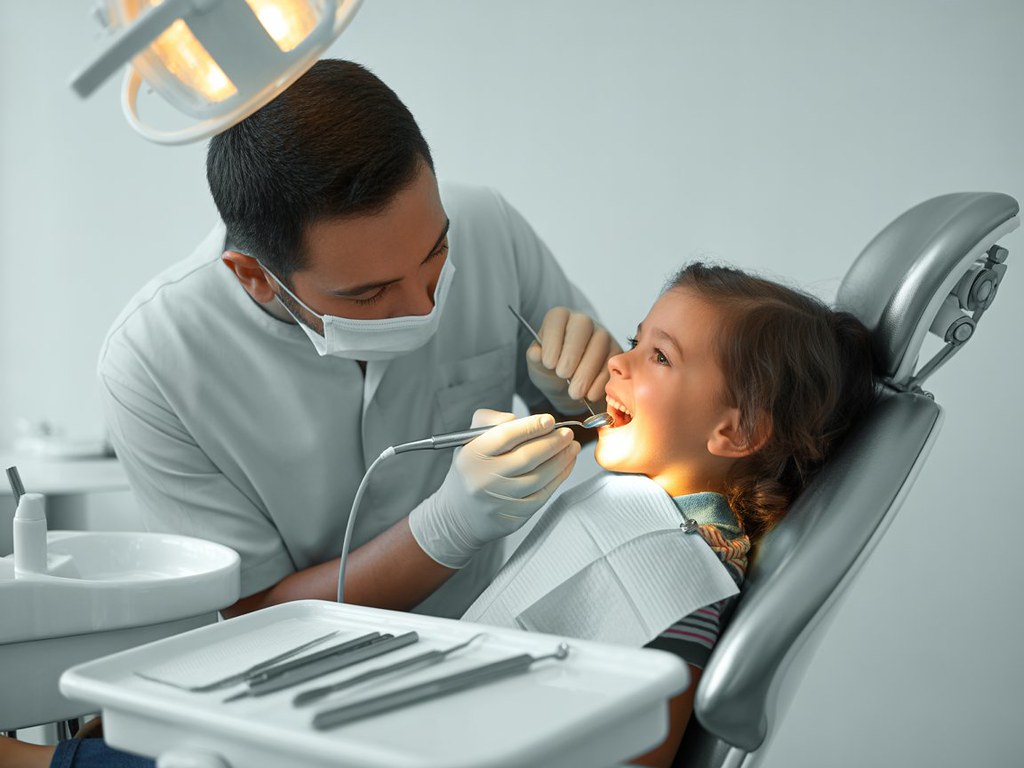
You notice the small things first. A toddler who fights toothbrushing every night. A child who avoids cold foods. A baby whose first teeth came in, and suddenly feeding, sleep, and comfort all feel a little harder. It can seem like baby teeth are temporary, so the stakes feel low. They are not. Early oral health shapes how your child eats, speaks, sleeps, grows, and feels in their own body, which is why many families seek pediatric dentistry in Greenwich Village, NYC.
A pediatric dentist does more than check for cavities. This kind of care supports comfort, healthy habits, jaw development, and confidence during years when children are learning almost everything for the first time. Early visits also help you catch problems before they turn into pain, missed school, feeding trouble, or costly treatment.
Pediatric dental care supports growth far beyond the mouth
Early childhood development is physical, emotional, and social all at once. Teeth and gums sit in the middle of that. When a child has tooth pain, they may stop chewing well, wake often at night, get irritable, or struggle to focus. If decay progresses, it can affect nutrition and speech sounds, and it can make a child wary of smiling or talking.
The role of pediatric dentists in early childhood development starts with prevention, but it does not stop there. These dentists are trained to watch how the mouth is growing, how habits like thumb sucking affect bite patterns, and how fear can shape a child’s relationship with care. They use age-appropriate tools and behavior guidance that fit young children, which matters when a regular dental setting feels too adult or rushed.
You may have heard that primary teeth fall out anyway. That misses the point. Baby teeth hold space for adult teeth, help children chew and speak clearly, and support normal facial development. When they are lost too early because of decay or injury, the effects can spread. Crowding can worsen. Eating can become harder. A child can start connecting healthcare with pain instead of safety.
Early dental visits reduce stress for children and parents
The first dental visit is often easier than parents expect when it happens early, before there is pain. A child who comes in for a calm exam, a quick cleaning, and a gentle conversation usually leaves with a very different memory than a child who first sees a dentist during an emergency. That difference matters. Fear tends to grow when care starts late.
The American Academy of Pediatrics and dental groups have long supported early preventive care, and the CDC offers practical oral health tips for children that line up with what pediatric dental teams teach every day. Parents get help with brushing, fluoride, diet, bottle use, and injury prevention. Children get a routine that feels normal instead of scary.
This is where children’s dental care and development connect in a very real way. A child who can eat without pain, sleep through the night, and speak without discomfort is better positioned to learn and regulate emotions. A child who is praised for brushing and gets used to short, positive visits often carries those habits forward.
Untreated dental problems can affect learning, sleep, and behavior
Dental disease in young children is common, and it can move fast. A white spot near the gumline may not look urgent, but it can be an early sign of decay. A child who only wants soft foods may not be picky in the usual way. They may be protecting a sore tooth. Mouth breathing, grinding, trauma from falls, and delayed eruption can also point to issues worth checking.
Research summarized in the NCBI review on oral health in children shows the link between oral health and quality of life. That phrase can sound abstract until you live it. Quality of life is your child crying at bedtime because brushing hurts. It is skipping crunchy foods at lunch. It is a parent missing work for an urgent appointment that could have been prevented months earlier.
Early childhood oral health is also shaped by routines at home. Frequent sugary drinks, bedtime bottles, inconsistent brushing, and long gaps between checkups raise risk. None of this means you have failed. Most parents are juggling sleep, work, meals, and a child who changes every few months. The point is not blame. The point is timing. Small problems are easier and cheaper to fix early.
Home care and professional pediatric dentistry work best together
| Area | Home Care Alone | Pediatric Dentist Support |
| Cavity prevention | Brushing with fluoride toothpaste and limiting sugar help lower risk | Professional exams, fluoride treatments, sealants when appropriate, and early detection catch problems sooner |
| Speech and chewing concerns | Parents may notice trouble but not know the cause | Evaluation can identify whether teeth, bite, pain, or oral habits are contributing |
| Dental fear | Home reassurance helps, but fear may build after a painful episode | Child-focused visits create positive experiences before treatment is needed |
| Thumb sucking and pacifier use | Families may try to stop the habit without guidance | Monitoring shows whether the habit is affecting jaw growth or tooth position |
| Cost over time | Skipping visits can seem cheaper at first | Preventive care often reduces the chance of urgent and more expensive treatment later |
The best results usually come from both sides working together. You handle the daily routine. The pediatric dentist tracks development, treats disease early, and helps you adjust habits before they create bigger problems. That is the practical side of the role of pediatric dentists in child development. It is not just treatment. It is guidance that fits real family life.
Three steps you can take right now
Schedule the first visit early. If your child has teeth and has not seen a dentist yet, set up a preventive appointment. Early visits are often simple, short, and much less stressful than waiting for pain.
Check the daily routine honestly. Look at brushing, fluoride toothpaste use, snacks, drinks, and bedtime habits. If juice, grazing, or brushing battles are common in your home, you are not alone. These are fixable patterns, and a pediatric dental team can help you adjust them without turning every night into a fight.
Watch for small signs that matter. White or brown spots on teeth, bad breath that does not go away, gum swelling, chewing on one side, mouth pain, or trouble sleeping can all point to a problem. A pediatric dentistry visit is the right next step when those signs show up.
Healthy smiles support healthy development
Children do not separate their teeth from the rest of their lives. If their mouth hurts, everything gets harder. If their mouth feels healthy, eating, sleeping, learning, and smiling come more easily. That is why pediatric dental care matters so much in the early years. It protects more than teeth. It supports comfort, confidence, and growth.
If your child is due for a checkup, now is a good time to arrange one and get clear guidance on the next right step.