
You might be feeling a bit caught in the middle right now. You want a bright, confident smile, yet you are also worried about the cost, the time, or the fear that something might already be seriously wrong. Maybe you have been putting off cleanings, brushing a bit too quickly at night, or ignoring that slight sensitivity in a tooth because life is already full, and the Livermore dentist feels like “one more thing.”
Then there is the “after” you imagine. Teeth that look clean in photos, fresh breath when you are close to someone, and the quiet relief of knowing there is no hidden problem waiting to explode into pain on a weekend. That gap between where you are and where you want to be can feel bigger than it really is, which is why understanding the role of preventive dentistry for healthy smiles can be such a turning point.
Preventive care is simply about making small, steady choices now so you avoid big, stressful treatments later. It protects your health, your wallet, and your peace of mind. So where does that leave you today, if you are not sure where to start or whether it is already “too late” to turn things around?
Why do small problems in your mouth become big, expensive ones?
To understand preventive care, it helps to look at how dental issues usually unfold. Cavities and gum disease almost never arrive overnight. They build quietly. A little sticky plaque that does not get brushed away. A bit of bleeding when you floss that you choose to ignore. A missed cleaning that turns into two or three years without seeing a dentist.
According to research summarized by the National Institute of Dental and Craniofacial Research, tooth decay is one of the most common chronic conditions across the lifespan. You can see current data on how widespread cavities are in different age groups through their dental caries statistics. This means you are not alone if you have decay or worry you might. It is common, but that does not mean it is harmless.
Here is where the tension grows. A small cavity is often painless. Early gum disease might only show up as swollen or bleeding gums. Because nothing hurts much, it is very easy to delay care. Then one day the pain hits, or a tooth breaks, or you notice your gums pulling away. What started as a simple fix can become a root canal, a crown, or even a lost tooth. The emotional cost rises too. You might feel embarrassed, guilty, or worried about the price tag and what others will think.
So what changes when you focus on proactive dental care for a healthy smile instead of waiting for trouble? You move from reacting in a crisis to quietly staying ahead of problems. That shift can save you money, protect your natural teeth, and support your overall health, including your heart and blood sugar control.
How does preventive dentistry actually protect your smile?
Preventive dentistry is not one single treatment. It is a set of habits, tools, and regular visits that work together. Think of it as building a support system for your mouth.
At home, it includes brushing twice a day with fluoride toothpaste, cleaning between your teeth daily, and keeping an eye on any changes in your gums or teeth. The Centers for Disease Control and Prevention offers simple, science based tips for adults through their guide on oral health tips for adults. These are not fancy tricks. They are small daily choices that add up.
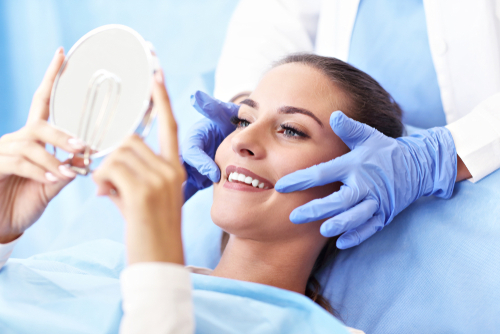
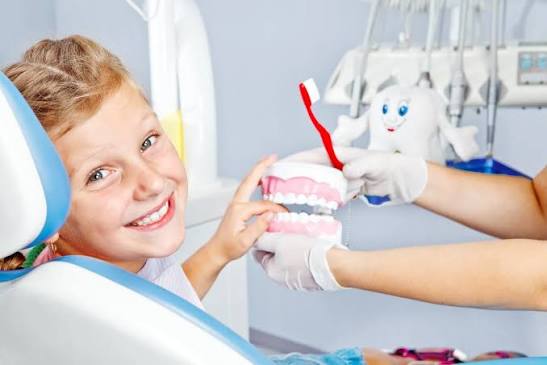
In the office, a family and cosmetic dentist focuses on prevention through professional cleanings, exams, X rays when appropriate, and early treatment of small issues. This might include sealants for children, fluoride treatments for teeth that are more prone to decay, or counseling about diet and habits like grinding. Preventive visits also help protect cosmetic work. If you already have whitening, veneers, or bonding, cleanings and checkups are what keep them looking good and lasting longer.
The emotional side matters just as much. When you have a dentist who understands your history and sees you regularly, you are less likely to feel judged or ashamed. You can talk through fears, discuss costs in advance, and choose a pace that fits your life. Over time, the chair becomes less of a place of crisis and more of a place of maintenance and reassurance.
You might wonder how all of this compares to just “doing your best” at home and avoiding the dental office until something hurts. That is where a clear comparison can help.
What is the real difference between “wait and see” and preventive care?
Many people think brushing at home is enough and that professional care is only for emergencies. The truth is more nuanced. Home care and professional care work together. Each covers gaps the other cannot reach.
| Approach | Short Term Experience | Long Term Impact | Typical Costs Over Time |
|---|---|---|---|
| “Wait until it hurts” approach | Fewer appointments at first. Less time off work or school. | Higher risk of cavities, gum disease, tooth loss, and emergency visits. | Lower in the very short term. Often much higher later due to crowns, root canals, or extractions. |
| Basic home care only | Teeth feel cleaner. Some plaque remains, especially between teeth and below gums. | Helps, but cannot fully remove hardened tartar or spot early hidden problems. | Low product cost. Potential for surprise medical costs if issues go unnoticed. |
| Consistent preventive dentistry (home + dental visits) | Regular but shorter visits. Issues found early when they are smaller and easier. | Better chance of keeping natural teeth, healthier gums, and more confident smile. | Predictable, moderate costs for checkups and cleanings. Often avoids large, sudden bills. |
Public health experts stress that good oral health is a key part of overall wellness, not a luxury. The CDC offers a helpful overview of why prevention matters for children and adults in its summary of oral health basics. When you see your mouth as part of your whole body, preventive care starts to feel less optional and more like a standard part of staying well.
What can you do right now to move toward a healthier, more confident smile?
You do not need to overhaul your entire routine overnight. A few focused steps can create real movement toward a beautiful, healthy smile and make future visits far less stressful.
1. Reset your daily home care in small, realistic steps
Start with what you can honestly maintain, not what you wish you could do. Aim for two full minutes of brushing, twice a day, with fluoride toothpaste. Use a soft brush and gentle pressure. If flossing every tooth feels overwhelming at first, begin with cleaning between just the front teeth each night, then add more areas as it becomes a habit. Even small improvements in consistency can reduce plaque and help your gums settle down.
2. Schedule a preventive visit, even if it has been years
If you have been avoiding the dentist, the hardest part is often making that first call. When you contact a family and cosmetic dentist, be honest about how long it has been and what you are worried about. Ask for a gentle exam and cleaning plan. A good office will explain findings in clear language, prioritize what truly needs to be done, and space treatments in a way that respects your budget and your emotional comfort.
3. Talk about your goals, not just your problems
Preventive dentistry is not only about avoiding pain. It is also about building the smile you want to share. If you are thinking about whitening, closing small gaps, or smoothing chipped edges, say so. Your dentist can design prevention and cosmetic steps together, so healthier gums and strong teeth become the foundation for any cosmetic changes. That way your investment in your smile has a better chance of lasting.
Moving forward with more control and less fear
You may still feel a mix of worry and hope, and that is normal. You might be thinking about past dental experiences, money concerns, or the fear of hearing “bad news.” At the same time, you now know that preventive dentistry is not about perfection. It is about progress, early support, and choosing steady care over crisis care.
Every small step you take now reduces the chance of painful surprises later and brings you closer to that calm, confident feeling when you smile or eat or laugh. You deserve that. You do not have to earn it by having a perfect history. You simply begin where you are and keep moving forward, one visit and one habit at a time.
If you are ready to explore how a trusted family and cosmetic dentist can help protect your health while supporting the kind of smile you want to see in the mirror, reach out to a local office and ask about a preventive exam and cleaning. Starting that conversation is often the most powerful step of all.
Apart from that, if you want to know more about Top 4 Benefits of Preventive Dentistry Checkups then visit our Health category.