
You might have started orthodontic treatment feeling excited about finally getting the smile you want with Invisalign in San Jose, then reality set in. Brackets trap food. Aligners feel like they always need cleaning. Your mouth might feel tender, and suddenly the simple act of brushing your teeth feels like a project.end
If you are worrying about bad breath, stained teeth, or cavities showing up when the braces come off, you are not alone. Many people discover that keeping their mouth clean with orthodontic treatment is harder than they expected, and that realization can feel discouraging.
The good news is that you do not need to be perfect. You simply need a clear routine that works in your real life. These six tips will help you protect your teeth and gums during treatment, keep your breath fresher, and step out at the end with a smile that looks as healthy as it is straight.
Why does oral hygiene feel harder with braces or aligners?
Before treatment, you could brush twice a day, maybe floss when you remembered, and everything seemed fine. Once the brackets, wires, or trays went in, things changed fast.
With braces, tiny bits of food cling to wires and brackets. Sticky snacks wrap around the hardware. Even something as simple as bread can wedge into places your toothbrush barely reaches. With aligners, you remove them to eat, but now every snack comes with a decision. Do you brush again or put the aligners back over teeth that are not really clean?
Because of this tension, you might start cutting corners. Maybe you skip flossing because it feels impossible, or you leave your aligners out longer than you should because you do not want to clean them again. Over time that can lead to plaque buildup, gum inflammation, white spots on your enamel, and cavities that only show up when treatment is over.
It helps to understand what is actually working against you, and what is fully within your control.
Braces and aligners create more surfaces for bacteria to cling to. They also make it harder for your saliva to wash away food. That means your everyday habits matter even more now. The goal is not a complicated routine. The goal is a simple, repeatable one that respects your time and energy.
What are the biggest challenges, and how do you handle them?
Think about three common situations.
First, you are at school or work, you grab a quick lunch, and you realize there is food stuck in your brackets or your aligners are sitting in their case because you did not bring a travel toothbrush. You feel self-conscious and maybe a little frustrated that your treatment is controlling your day.
Second, it is late at night, you are tired, and flossing around every bracket feels endless. You start to wonder if skipping one night really matters. Then one night becomes three, and the guilt creeps in.
Third, you notice your gums look puffier or bleed when you brush. You might worry that you are doing something wrong or that your teeth are getting worse instead of better.
These are normal parts of the process. They are not signs that you are failing. They are signals that your routine needs a few adjustments so it fits your life better.
Good home care is your strongest tool. The American Dental Association shares clear guidance on effective home oral care habits, and those same basics apply strongly during orthodontic treatment. With a few targeted changes, you can manage the mess, protect your gums, and keep your treatment on track.
Braces vs aligners: what changes for your daily routine?
You might wonder if one system is easier to keep clean than the other. There is no single answer, because it depends on your habits and personality. Still, comparing the two can help you understand where to focus your effort.
| Oral hygiene factor | Braces | Aligners |
|---|---|---|
| Brushing effort | More time needed to clean around brackets and wires | Teeth are easier to reach once trays are removed |
| Flossing difficulty | Harder. Often needs floss threaders or special tools | Similar to normal flossing with no hardware |
| Risk of trapped food | Higher. Food easily sticks to brackets and wires | Lower between meals, but aligners can trap plaque if teeth are not clean |
| Cleaning the appliance | Cleaned while brushing your teeth | Aligners need separate, daily cleaning |
| Snack flexibility | Snacking is easier but can increase plaque around hardware | Every snack means removing and cleaning aligners, which may reduce grazing |
The takeaway is simple. Braces demand extra care with brushing and flossing. Aligners demand discipline about when and how often you remove them, and how clean your teeth are when you put them back in. In both cases, consistent oral hygiene during orthodontic treatment protects your investment in a healthy, straight smile.
6 practical tips for keeping your teeth clean with braces or aligners
Here are six focused tips to support good oral hygiene with orthodontic treatment without turning your life upside down.
1. Upgrade your brushing routine, not just your toothbrush
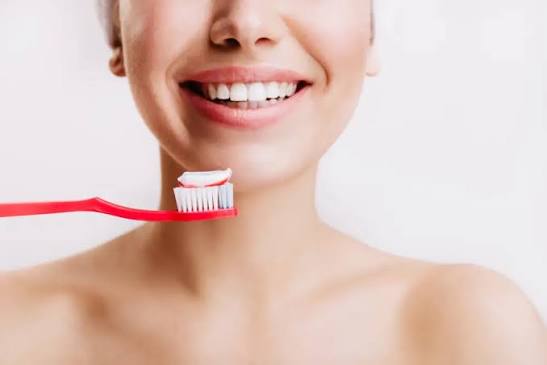
Brushing with braces or aligners is less about fancy tools and more about technique and timing. Aim for at least two thorough sessions each day, and add a quick third brushing after your stickiest or biggest meal when possible.
Use a soft toothbrush or an electric brush if you like the extra help. Angle the bristles toward the gumline and then toward the brackets or along the aligner edges. Move slowly, tooth by tooth. Give yourself a full two minutes. Think of it as maintenance work for your future smile, not a rushed chore.
2. Make flossing realistic so you will actually do it
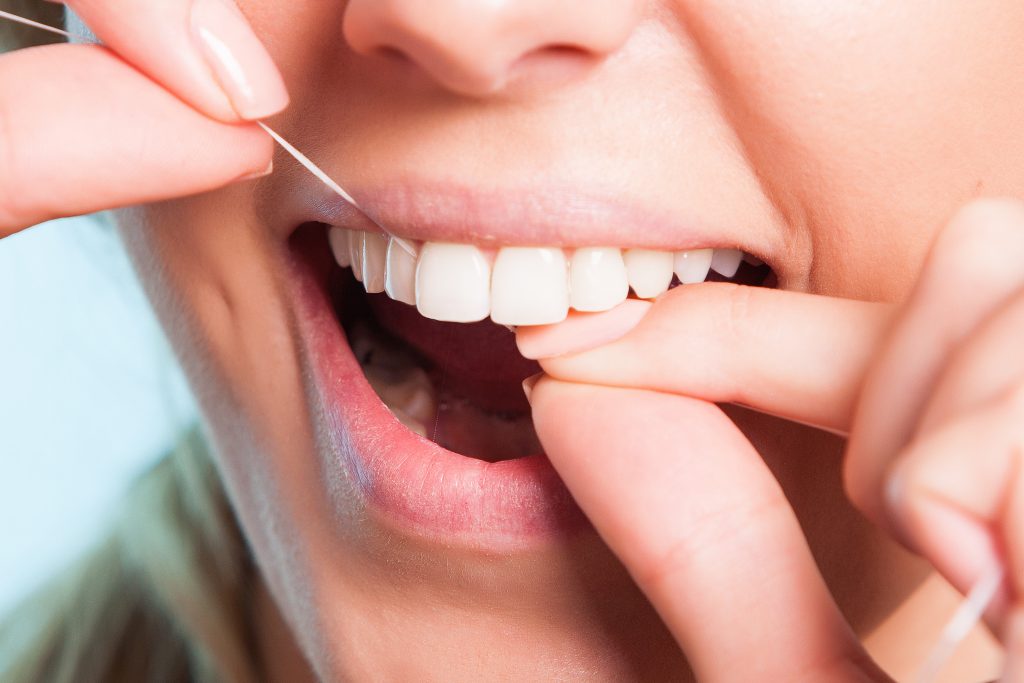
Traditional floss can feel impossible around wires. That is why many people give up. Instead of forcing a method that does not fit, use tools that make the job easier. Floss threaders, orthodontic floss with a stiff end, or water flossers can help you reach under wires without the frustration.
The ADA has helpful guidance on how to floss effectively, and the same principles apply here. The method matters less than consistency. Even five focused minutes in the evening can dramatically reduce gum bleeding and plaque.
3. Create a small “on the go” hygiene kit
Life does not pause just because you are in treatment. You will eat at work, at school, in your car, or at a friend’s house. Pack a small kit with a travel toothbrush, a tiny tube of toothpaste, floss or flossers, and orthodontic wax. If you wear aligners, add a case so they are never wrapped in a napkin that might get thrown away.
Knowing you have what you need in your bag or backpack lowers stress. You do not have to choose between skipping a meal or skipping oral care. You simply adjust and move on.
4. Be honest about your snacking and drink habits
Frequent snacking or sipping sugary drinks gives bacteria more chances to produce acids that weaken your enamel. With braces, those acids sit around brackets and can create permanent white spots. With aligners, they can get trapped under the trays.
Try to keep snacks to a few planned times rather than constant grazing. Drink water often. If you have something sugary or acidic, such as soda or juice, rinse with water afterward and brush when you can. You do not need to be perfect. You just need to reduce how often your teeth are under attack.
5. Treat your aligners or appliances like part of your mouth
If you wear clear aligners, clean them every time you brush your teeth. Use cool or lukewarm water and a soft toothbrush. Harsh cleaners or hot water can damage them. Avoid leaving them dry and exposed for long periods. That increases the risk of loss and lets bacteria grow.
If you have removable appliances, follow the same idea. Clean them daily, store them in their case, and never snap them in or out with force. Gentle habits protect both your teeth and the appliance.
6. Keep your checkups and speak up when something feels off
Regular visits with your orthodontist and your general dentist work together to protect your teeth. Professional cleanings remove plaque and tartar that you cannot reach at home. Exams catch early signs of decay or gum problems before they become bigger issues.
If something feels wrong, such as persistent bad breath, bleeding that is not improving, or a sore that will not heal, say so. Early conversations lead to simple solutions. Your care team wants you to finish treatment with teeth that are not only straight but strong and comfortable.
What can you do today to protect your smile during treatment?
You do not need a full overhaul. You just need a few focused changes that fit your life right now. Think of these as your immediate next steps for orthodontic oral care.
Step 1: Choose one upgrade to your nightly routine
Tonight, add one new habit. It might be using a floss threader, brushing for a full two minutes, or adding a fluoride mouthrinse after brushing. Commit to that one upgrade for two weeks. Once it feels normal, you can add another.
Step 2: Build a travel kit and place it where you need it
Gather a small toothbrush, toothpaste, floss, and a case for aligners or elastics. Put the kit in your bag, locker, or car. Knowing it is there removes one more barrier between you and a quick clean after meals.
Step 3: Plan your questions for your next orthodontic or dental visit
Think of two or three concerns you have about cleaning around your braces or aligners. Write them down in your phone. At your next appointment, ask for specific tips tailored to your mouth and your schedule. Guidance that fits your life is easier to follow than generic advice.
Moving forward with confidence during orthodontic treatment
Orthodontic treatment is a commitment. Some days it feels exciting. Other days it feels like one more thing to manage. Both reactions are normal. What matters is that you keep moving forward in small, steady ways.
By focusing on simple habits, using tools that make cleaning easier, and staying honest about what is and is not working for you, you give yourself the best chance to finish treatment with a smile that is straight, healthy, and comfortable to live in.
Your future self will thank you for every extra minute you spend caring for your mouth today.
Apart from that, if you want to know more about 6 Tips For Caring For Your Teeth During Orthodontic Treatment then visit our Health category.