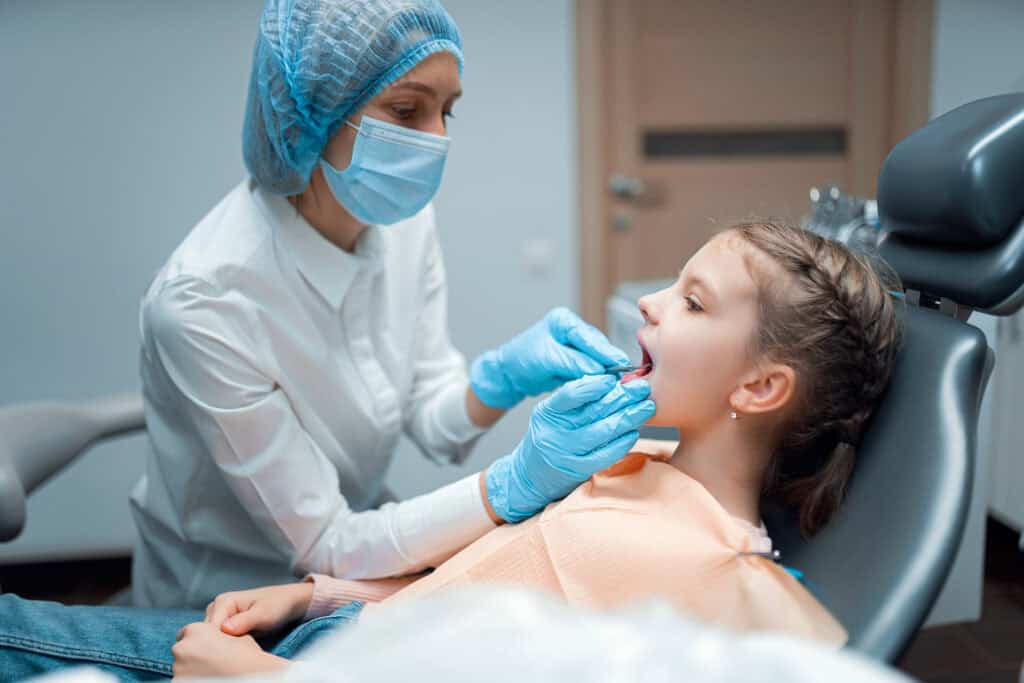

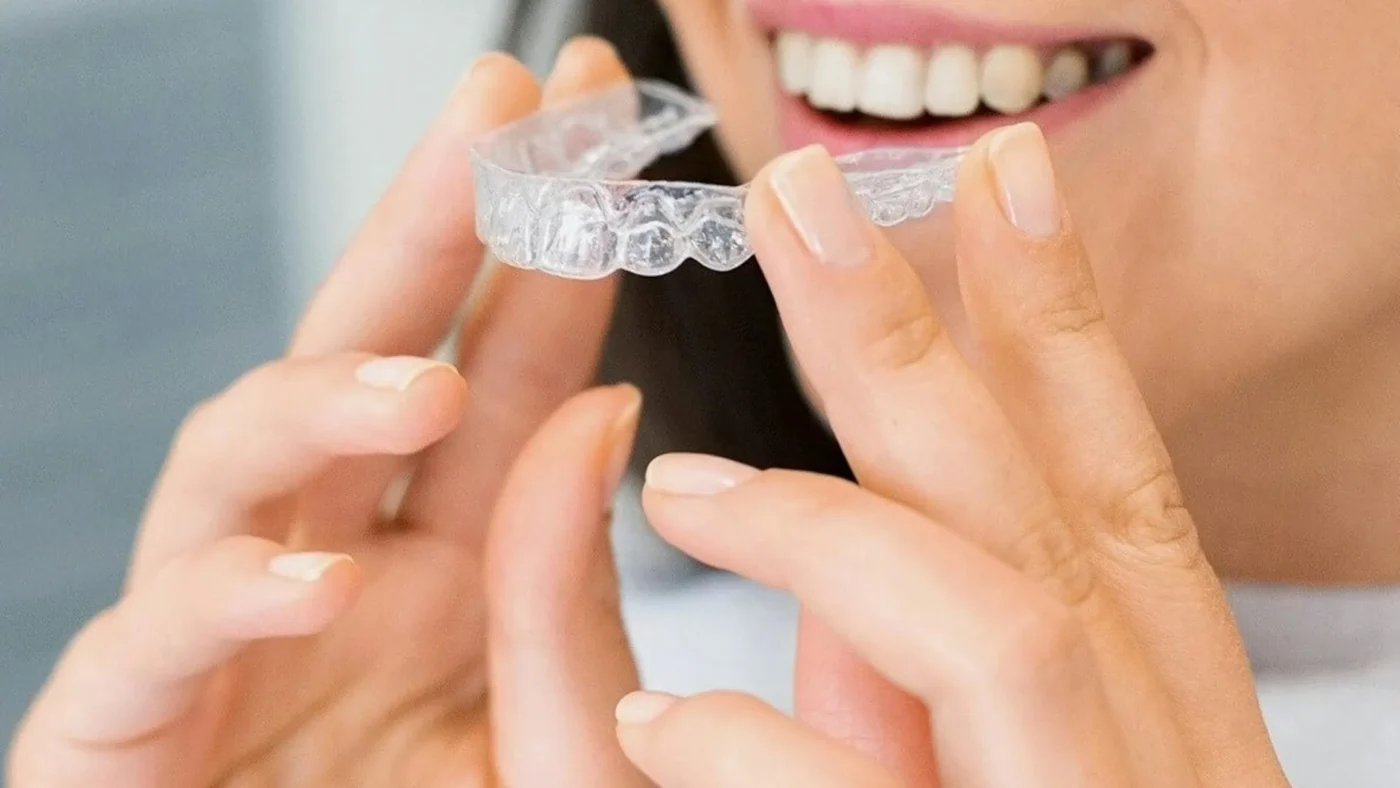
You might have been excited when the braces first went on at a Zionsville orthodontic clinic, or maybe you felt a knot in your stomach the moment you saw all that metal in the mirror. Either way, once the appointments are over and you are back home, a new worry often creeps in. How do you actually keep your teeth clean and healthy with all this hardware in the way.end
You might be brushing longer, yet still seeing food stuck around the brackets. Maybe your gums feel sore or puffy, or you are nervous about white spots on your teeth once the braces come off. There is the promise of a straighter smile, but the day to day care can feel confusing and tiring.
Here is the good news. With a few clear habits and tools, you can protect your teeth, your gums, and your braces at the same time. These 6 tips for caring for your teeth during orthodontic treatment will help you avoid cavities, stains, and emergencies, so that when the brackets finally come off, you are proud of what you see in the mirror.
Why does caring for your teeth feel harder with braces on
Braces and other orthodontic appliances give plaque more places to hide. The brackets, wires, and rubber bands create tiny ledges and corners that regular brushing can miss. Because of this, you might notice that your teeth feel fuzzy even after you brush, or that your gums bleed more easily.
The problem is not that you suddenly became bad at brushing. The problem is that the job changed. It went from cleaning smooth surfaces to cleaning around a small obstacle course that sits on every tooth. If you do not adjust your routine, plaque builds up, which can lead to cavities, swollen gums, and chalky white marks around the brackets that remain after treatment.
It means that the same rules still apply, but they need extra focus. Good brushing and flossing, fluoride, smart food choices, and protection during sports all become more important during orthodontic care for your teeth.
What are the biggest challenges during orthodontic treatment
Think about a normal busy day. You grab a snack between classes or meetings, maybe something sticky or crunchy. With braces, bits of food can cling to the brackets or lodge under the wire. If you cannot brush for a while, bacteria start feeding on that food and produce acid that weakens enamel.
Here are a few common struggles people face during care of teeth with braces.
First, cleaning takes longer. Brushing in a rush like before usually is not enough. You might need 2 or 3 extra minutes to get around each bracket and along the gumline. That extra time can feel annoying, especially when you are tired at night.
Second, flossing can feel almost impossible at first. Threading floss under the wire tooth by tooth is slow and awkward. Some people simply stop flossing, which raises the risk of gum disease and cavities between the teeth.
Third, food choices feel limited. You are told to avoid sticky candies, hard nuts, popcorn, and chewing ice. If you ignore that advice, you might pop off a bracket or bend a wire. That usually means an extra trip to the orthodontist and sometimes extra months in treatment.
Finally, there is the emotional side. Sore teeth after adjustments, worry about bad breath, fear of what your teeth will look like after the braces come off. All of this can make the whole process feel heavier than you expected.
The solution is not perfection. It is a clear plan that fits your real life, with small habits that actually stick.
How do different care choices affect your teeth during braces
It can help to see how daily decisions add up over time during orthodontic treatment. The comparison below shows how common habits can either protect or harm your smile while you are in braces.
| Daily Choice | Short Term Effect | Long Term Effect on Teeth with Braces |
|---|---|---|
| Brushing 2 times a day for 2 minutes, focusing around brackets | Less plaque, fresher breath, fewer food particles stuck | Lower risk of cavities and white spots around brackets |
| Quick brushing once a day, often in a rush | More plaque left behind, gums may bleed | Higher chance of decay, staining, and gum problems |
| Daily flossing with a floss threader or special floss | Cleaner spaces between teeth, less soreness in gums | Healthier gums and stronger support for straightened teeth |
| Rare or no flossing during treatment | Food stuck between teeth, bad breath | Gum disease risk increases, possible bone loss over time |
| Using fluoride toothpaste and mouth rinse | Extra protection against acid attacks | Less chance of permanent white spots and cavities |
| Frequent sipping of soda or sugary drinks | Acid bath for teeth throughout the day | Weakened enamel, more decay around brackets and near gums |
| Wearing a mouthguard for sports | Reduced risk of broken brackets or cut lips | Lower chance of tooth injury and treatment delays |
| No mouthguard during contact sports | Higher risk of painful hits to the mouth | Possible broken teeth and damaged orthodontic appliances |
If you want more detail on why plaque removal matters so much, you can read about healthy brushing and flossing habits from the National Institute of Dental and Craniofacial Research at their page on oral hygiene basics.
6 practical tips to protect your teeth while you are in brace
So what can you actually do, starting today, to keep your teeth safe during orthodontic care.
1. Brush a little smarter, not just harder
Use a soft bristled toothbrush and fluoride toothpaste. Angle the bristles toward the gumline and gently clean above and below each bracket. Then tilt the brush so the bristles point down on the top teeth and up on the bottom teeth, to reach the edges of the brackets and wires. Aim for at least 2 minutes, 2 times a day. If you can add a third brushing after meals, even better.
An electric toothbrush can help, but it is not required. The key is your technique and consistency. The American Dental Association has simple visuals for brushing and caring for braces on their braces care resource, which can be helpful if you are a visual learner.
2. Floss in a way that you will actually do every day
Standard floss is still one of the best tools you have. With braces, you can use a floss threader to slide the floss under the wire, then hug each tooth in a C shape and move it up and down gently. If that feels too slow at first, try pre threaded orthodontic flossers or a water flosser as a backup. A water flosser does not fully replace floss for everyone, but it can reduce plaque and make your gums feel better.
The method matters less than the habit. Choose the tool that you are most willing to use every day, even when you are tired or busy.
3. Use fluoride to strengthen and protect your enamel
Fluoride helps your teeth repair early damage from acid, which is especially important with braces where plaque can sit longer near the brackets. Always use a fluoride toothpaste. In some cases, your orthodontist or dentist may suggest an extra fluoride mouth rinse or a prescription strength toothpaste if you are at higher risk for decay.
If you want to understand how fluoride supports your teeth during treatment, the NIDCR explains it clearly in their overview of fluoride and tooth protection.
4. Choose foods that are kind to both teeth and braces
Sticky candies, caramel, taffy, and chewing gum can cling to brackets and bend wires. Hard foods like nuts, popcorn kernels, and ice can break brackets or crack enamel. You do not need a perfect diet, but you do need a thoughtful one.
Cut crunchy foods like apples and carrots into small pieces and chew with your back teeth. Limit constant snacking on sugary foods and drinks. It is less harmful to have sweets with a meal and then brush, than to sip or snack on sugar all day long.
5. Protect your mouth during sports and active play
If you play contact sports or activities where you might get hit in the face, a mouthguard is important. With braces, a hit to the mouth can mean cut lips, broken brackets, and even damaged teeth. Ask your orthodontist or dentist about a mouthguard that fits over your braces and can be adjusted as your teeth move.
6. Keep every orthodontic and dental appointment
It is easy to view appointments as just another thing on your calendar. Yet these visits are your safety net. Your orthodontist checks that the wires and brackets are doing their job, and your dentist checks for early signs of decay or gum problems. If something is off, it can be fixed before it becomes a larger problem.
Try to avoid postponing or skipping cleanings while you are in braces. Professional cleanings remove hardened plaque that you cannot remove at home, which lowers your risk of permanent stains and gum disease.
What should you do first if you feel overwhelmed
If all of this feels like a lot, start small. Pick one or two habits that feel most realistic. Maybe that is brushing for a full 2 minutes at night and adding flossing at least once a day. Once those feel natural, add fluoride rinse or adjust your snack choices.
You do not need to be perfect to protect your smile during braces. You only need to be consistent enough that plaque and acid never get the upper hand for very long. Over time, these small acts of care support your orthodontist’s work and help ensure that when the brackets finally come off, your teeth are not just straight, they are strong and healthy.
Moving forward with confidence during orthodontic care
Orthodontic treatment is a big commitment. It affects your routine, your confidence, and sometimes your patience. You are allowed to feel frustrated. You are also capable of building habits that protect your teeth through the entire process.
Use these 6 tips for caring for your teeth during orthodontic treatment as a simple guide. Focus on steady brushing and flossing, smart use of fluoride, thoughtful food choices, and regular visits with your orthodontist and dentist. Your future self, looking in the mirror at a straight, healthy smile, will be grateful for the care you are giving your teeth today. Our related guide, How To Keep Your Teeth Healthy During Orthodontic Treatment, goes further into this.
Apart from that, if you want to know about 5 Common Orthodontic Treatments then please visit our Health category.