

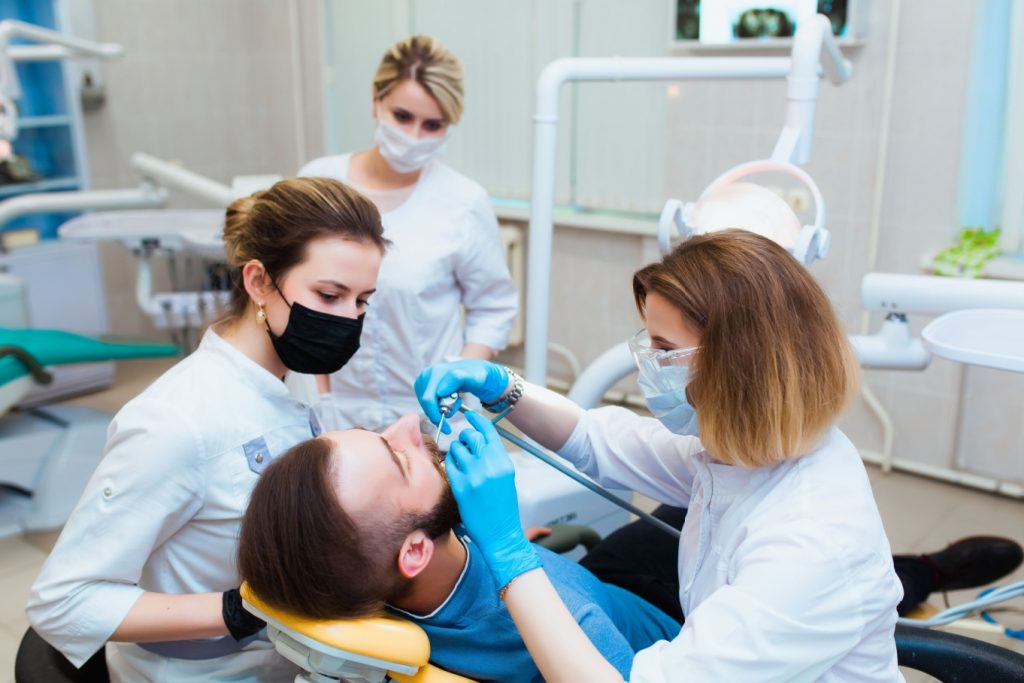
Your child’s mouth changes fast. Teeth come in, jaws grow, and habits form that can last a lifetime. During these growth years, dental oral health education is not just helpful. It is necessary. When you teach a child how to brush, floss, and eat in a way that protects teeth, you protect more than a smile. You protect speech, sleep, focus in school, and self-respect. Early cavities can cause pain, missed classes, and quiet shame. Clear guidance at home, support from teachers, and regular visits to a trusted dentist in Red Bank, NJ give children the tools they need. Together, you can catch small problems early, explain what is happening in simple words, and build routines that feel natural. This blog explains why these lessons matter so much during growth years and how you can start strong today.
Why early dental habits shape lifelong health
Baby teeth fall out. Yet they still matter. They hold space for adult teeth. They guide jaw growth. They help clear speech. When they hurt, a child eats less and sleeps less. That strain spreads through the whole body.
The Centers for Disease Control and Prevention reports that cavities are one of the most common chronic conditions in children. Many of these cavities are preventable with simple daily care.
Three core habits shape that care.
- Twice daily brushing with fluoride toothpaste
- Daily flossing once teeth touch
- Low sugar snacks and drinks
These steps sound small. They still cut pain, fear, and cost in powerful ways.
How poor dental health affects school and growth
Mouth pain does not stay in the mouth. It reaches school, home, and playtime. It can cause:
- Missed school days for urgent dental visits
- Trouble focusing in class due to pain
- Low speech clarity and shy speech
- Embarrassment about appearance
The American Academy of Pediatrics explains that untreated cavities are linked to lower grades and more school absences. When you protect teeth, you protect learning and social growth.
Key stages of growth and what to watch
Each age brings new changes. You can match your teaching to these stages.
| Age range | Mouth changes | Your focus |
|---|---|---|
| 0 to 2 years | First teeth appear | Wipe gums, brush tiny teeth, avoid putting baby to bed with a bottle |
| 3 to 5 years | Full set of baby teeth | Brush twice a day, start flossing, limit juice and sweets |
| 6 to 8 years | First adult molars and front teeth | Teach brushing skill, use fluoride, watch for crowding |
| 9 to 12 years | More adult teeth replace baby teeth | Build strong routine, support flossing skills, ask about pain or fear |
| 13 to 18 years | Full adult bite forms | Reinforce daily care, guard sports with mouthguards, plan regular cleanings |
Teaching brushing and flossing that children remember
Children learn by watching and by doing. You can turn brushing time into training time.
Use three simple steps.
- Show. Brush your own teeth while your child watches.
- Guide. Help your child hold the brush at the gum line and move in small circles.
- Check. Do a quick pass after your child finishes until the skill grows.
For flossing, start once teeth touch. Use short pieces of floss. Help the string hug each tooth in a C shape. Move up and down. Do not snap into the gums. At first, you do most of the work. With time, your child takes the lead over.
Food, drinks, and daily choices that protect teeth
Sugar feeds the germs that cause cavities. Time on teeth matters as much as the amount. Sticky snacks and slow sipping of sweet drinks cause long contact. That contact wears down enamel.
Use this simple comparison when you plan snacks.
| Choice | Effect on teeth | Better option |
|---|---|---|
| Soda or sports drinks | Coat teeth with sugar and acid | Water or plain milk |
| Sticky candy or fruit snacks | Stay on teeth for long time | Fresh fruit |
| Frequent grazing all day | Keeps cavity risk high | Set snack times with breaks |
You do not need perfection. You do need steady limits and clear rules. That structure gives a child comfort and control.
Working with schools and dental teams
You do not carry this alone. Teachers, school nurses, and dental staff can support your child. You can:
- Ask schools about classroom lessons on tooth care
- Send a toothbrush for after lunch if rules allow
- Share any fear or special needs with the dental office before visits
Regular checkups let a dentist spot early white spots, small cavities, or bite problems. Early fixes are less painful and less costly. They also protect your child from silent worry about mouth pain or appearance.
Helping your child overcome fear and shame
Many children feel fear of the dental chair. Some feel shame if they already have cavities. Your words can ease that burden.
- Use calm, clear terms. Say, “The dentist will clean and count your teeth.”
- Avoid threats linked to the dentist or shots.
- Notice effort. Say, “You brushed tonight even though you felt tired.”
When a child feels safe, learning sticks. When learning sticks, routines become part of daily life, not a fight.
Taking the next step today
You do not need complex plans. You only need three firm moves.
- Set a two-minute brushing time in the morning and at night.
- Swap one sweet drink for water each day.
- Schedule the next checkup with a trusted dentist and write down questions.
Each small step today guards your child’s comfort, strength, and pride for years. Your steady guidance during growth years shapes a mouth that stays strong through each new stage of life.
Apart from that, if you want to know more about The Importance Of Whole Body Health In Dental Treatment Planning then visit our Health category.