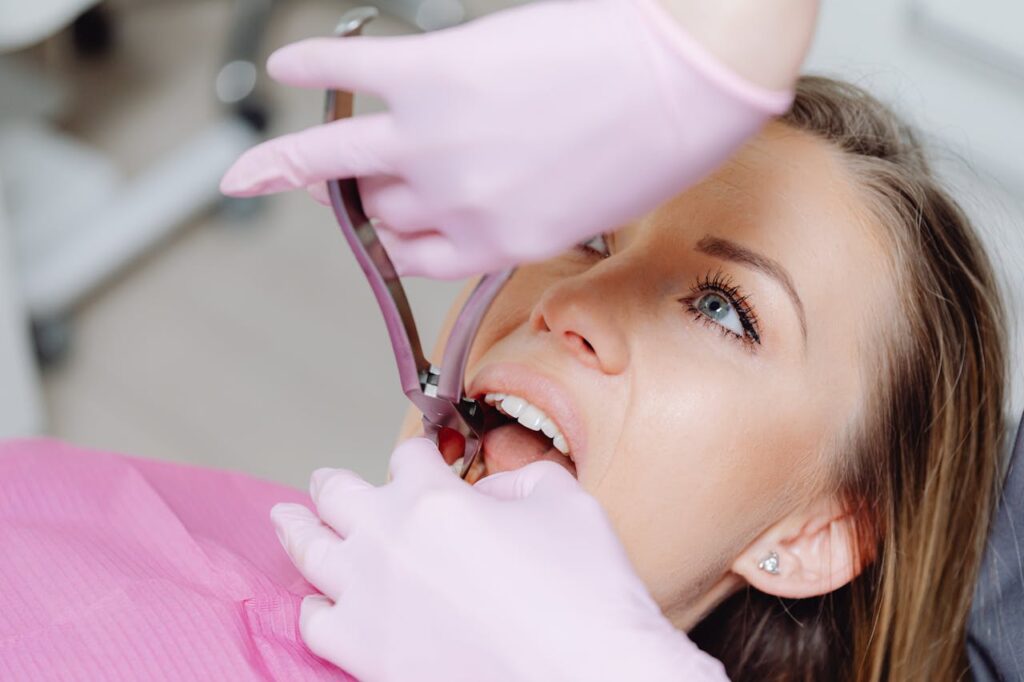

Your mouth affects your body, your mood, and your daily life. Regular oral health screenings help you catch small problems before they turn into pain, infection, or expensive treatment. You might think you only need a dentist when something hurts. Instead, steady checkups protect you at every age. Children need screenings to guide growing teeth. Teens need them to handle sports injuries and new habits. Adults need them to manage stress, diet, and work strain. Older adults need them to keep eating, speaking, and smiling with comfort. A Richmond family dentist can watch for silent issues like gum disease, oral cancer, and tooth wear. Early care often means simple fixes, less time in the chair, and lower cost. You gain control, not fear. You protect your health, not just your smile.
Why Oral Screenings Matter For Your Whole Body
You might see teeth as separate from the rest of your body. They are not. Your mouth shows early signs of many health problems. These include diabetes, heart disease, and weakened immune function. Dentists are trained to spot these changes fast. The Centers for Disease Control and Prevention reports that untreated oral disease links to pain, missed school or work, and trouble eating and speaking. Regular screenings help you avoid that chain of harm.
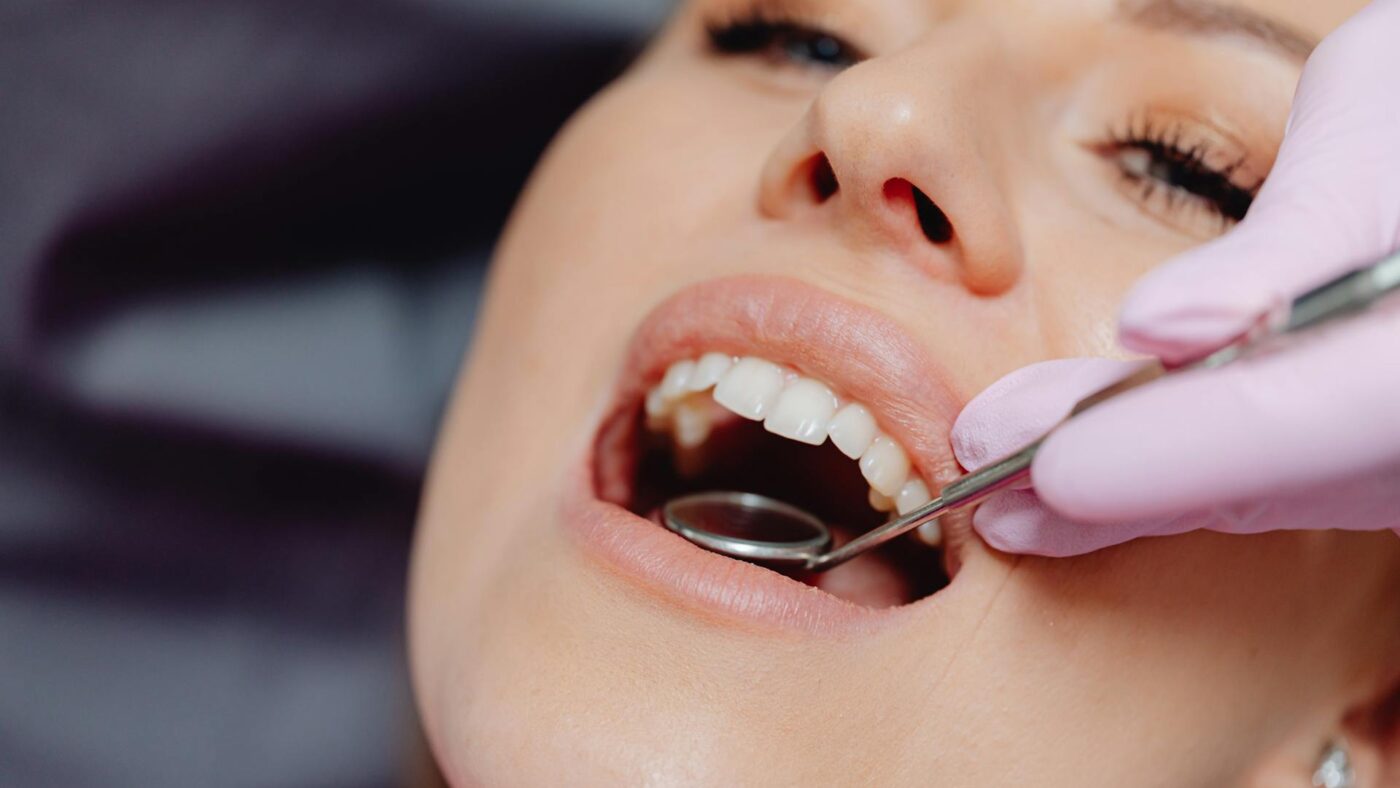
During a screening, your dentist checks more than cavities. You get an exam of your gums, tongue, cheeks, jaw joints, and bite. You also get a review of medicines, habits, and health history. This simple visit gives you a warning system for problems you may not feel yet.
How Screenings Differ By Age Group
Your needs change as you age. Your screening should change with you. Here is what you can expect at different stages.
For infants and young children
First visits start by age one or when the first tooth appears. At this stage, screenings focus on:
- Tooth growth and spacing
- Early decay from bottles, juice, or snacks
- Thumb sucking and pacifier use
- Injury risk from falls or play
You also get coaching on brushing, fluoride, and diet. These talks protect your child from pain and missed school later. The National Institute of Dental and Craniofacial Research notes that tooth decay is one of the most common chronic conditions in children. Regular checks cut that risk.
For school-age children and teens
As kids grow, new pressures appear. Screenings now focus on:
- New permanent teeth and bite alignment
- Sports injuries and use of mouthguards
- Braces and cleaning around wires
- Soda, vaping, and tobacco exposure
You help your child keep strong teeth through growth spurts, sports, and changing habits. You also send a clear message. Health comes before short term comfort or fear of the chair.
For adults
Adult life brings stress, long work hours, and changing health. Screenings for adults focus on:
- Gum disease and bone loss
- Grinding and clenching from stress
- Dry mouth from medicines
- Oral cancer checks for lips, tongue, and throat
You may not notice slow changes. A dentist can. Regular visits help you keep teeth instead of replacing them. They also help protect your heart and blood sugar by keeping infection under control.
For older adults
Later in life, simple tasks can feel harder. Oral screenings focus on:
- Loose teeth and shifting bite
- Dentures or bridges that rub or slip
- Trouble chewing certain foods
- Changes in speech and swallowing
You protect your ability to eat real food, speak with ease, and stay social. You also lower the risk of malnutrition and weight loss linked to painful or missing teeth.
What A Regular Oral Health Screening Includes
A screening visit is short and clear. You can expect:
- Review of your health history and medicines
- Visual check of teeth, gums, tongue, and cheeks
- Gum measurements to check for disease
- Bite and jaw joint check
- Oral cancer screening with light and touch
- X rays when needed for hidden decay or bone loss
You also get direct advice. You hear what is going well. You hear what needs change. You leave with a plan that fits your daily life.
How Often You Should Get Screened
Most people need a screening every six months. Some need more frequent visits. This includes people who:
- Use tobacco or nicotine
- Have diabetes or heart disease
- Take medicines that cause dry mouth
- Are pregnant
- Have a history of gum disease or frequent cavities
You and your dentist can set a schedule that matches your risk and your health goals.
Benefits Across Life Stages: A Simple Comparison
| Age group | Main screening focus | Key benefit |
|---|---|---|
| Infants and young children | Tooth growth, early decay, habits | Prevents pain and supports speech and chewing |
| School age children | Permanent teeth, injuries, diet | Reduces missed school and builds strong habits |
| Teens | Braces, sports, tobacco and vaping | Protects smile during rapid growth and change |
| Adults | Gum disease, grinding, oral cancer | Cuts risk of tooth loss and systemic illness |
| Older adults | Dentures, dry mouth, chewing trouble | Supports nutrition, speech, and social life |
How Regular Screenings Save Money And Stress
Waiting for pain often means more cost and more fear. Regular screenings catch problems when they are small. A tiny cavity often needs a simple filling. A deep cavity may need a crown or root canal. Gum redness may need better brushing and a cleaning. Advanced gum disease may need surgery.
You save by:
- Avoiding emergency visits
- Reducing missed work or school
- Keeping teeth instead of paying for replacements
You also protect your emotional health. You face short visits instead of long, complex treatment. You feel prepared, not surprised.
Taking The Next Step For Your Family
You have strong reasons to keep regular oral health screenings on your calendar. They protect babies, teens, adults, and elders. They guard your body, mind, and wallet. They keep your family ready for daily life, not held back by pain or shame.
You can start with one choice. Schedule a screening. Ask clear questions. Share your worries. Then build a simple routine you can keep. Your future self will feel the relief in every meal, every laugh, and every word you speak.
Want to know about Why Your Dentist May Recommend Lifestyle Changes Based On Oral Clues Check out our Health category.