

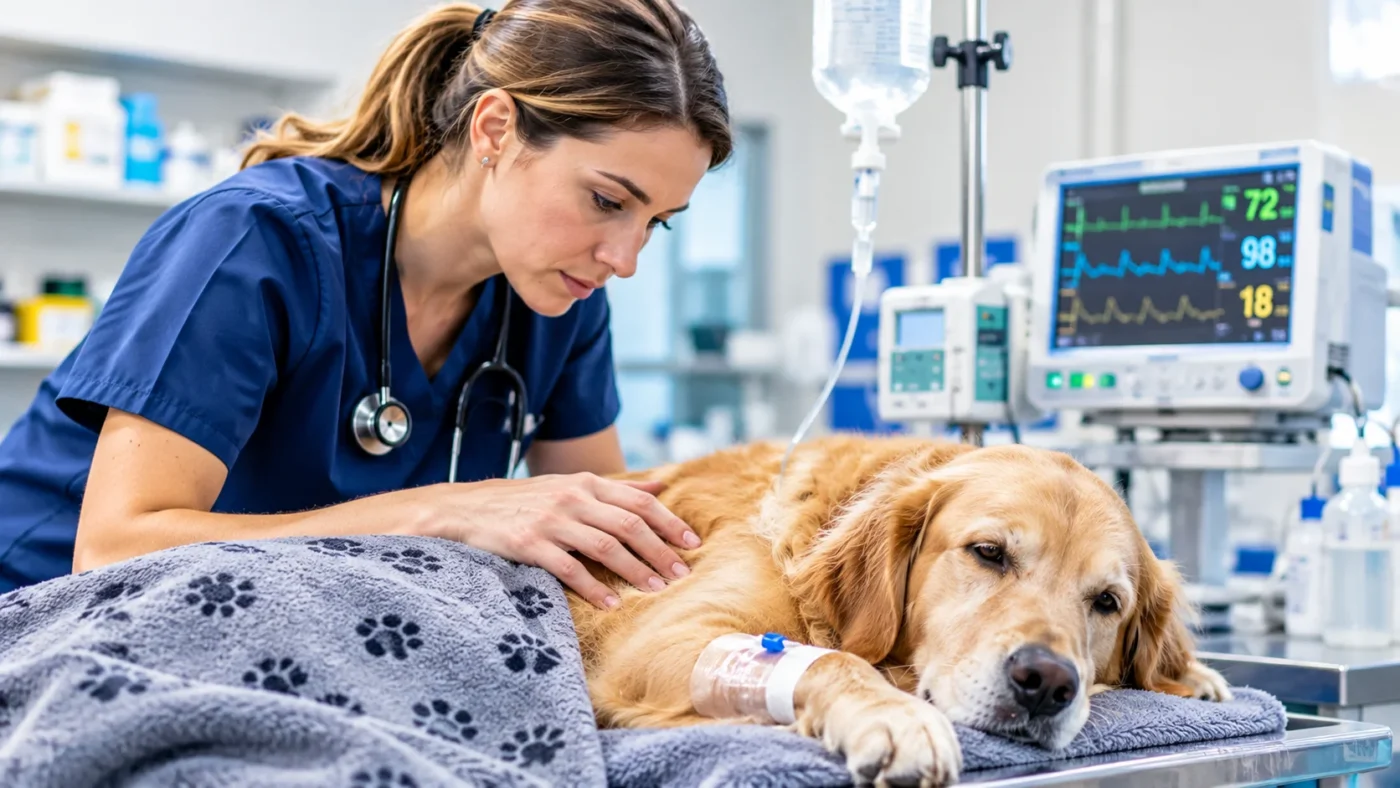
You notice the vomiting first, or maybe the sudden weakness, the way your pet stops eating and seems to fade in a matter of hours. Then come the lab results, the talk about toxins in the blood, urine output, blood pressure, and whether the kidneys can recover. That kind of news lands hard. Severe kidney injury in pets moves fast, and the decisions that follow can feel just as fast. Working with a veterinarian in Northwest Plano TX can help you act quickly and understand the next steps.
How veterinary hospitals treat severe kidney injury depends on the cause, how sick the pet is, and whether the kidneys are still making urine. Some pets need aggressive fluids and close monitoring. Some need treatment for poisoning, infection, blockage, or dangerously high blood pressure. Some need dialysis to do the work the kidneys cannot do right now. The goal is simple, even when the care is not. Stabilize your pet, protect the kidneys from more damage, and give the body a chance to recover.
Veterinary Hospitals Treat Acute Kidney Failure As A Medical Emergency
Acute kidney failure treatment for pets usually starts the moment your pet is admitted. A veterinary hospital team checks hydration, heart rate, blood pressure, body temperature, and mental status, then runs bloodwork and urine testing to see how far the injury has gone. Imaging may follow if the team suspects a urinary blockage, kidney stones, an infection in the kidneys, or a problem with blood flow.
The first challenge is that severe kidney injury is not one disease. It can follow antifreeze poisoning, grape or raisin ingestion, certain medications, leptospirosis, heat injury, severe dehydration, urinary obstruction, or shock. A cat with a blocked urinary tract and rising kidney values does not need the same plan as a dog with toxin exposure. That is why hospital care can look intense from the outside. The team is not just treating “bad kidneys.” They are treating the reason the kidneys failed and the chain reaction that follows.
That chain reaction matters. When the kidneys stop filtering well, waste products build up in the blood. Electrolytes can shift into dangerous ranges. Potassium may rise high enough to affect the heart. Phosphorus can climb. Acid levels can change. Fluid balance becomes tricky because too little fluid worsens kidney damage, but too much can strain the lungs. This is one reason pets with severe kidney injury often need 24 hour monitoring through an emergency and critical care service such as Cornell’s emergency and critical care hospital team.
Supportive Care Is The Foundation Of Severe Kidney Injury Treatment
IV fluids are often the backbone of severe kidney injury treatment in veterinary hospitals, but they are not given blindly. The hospital team adjusts the type and rate based on bloodwork, urine output, blood pressure, and whether your pet is dehydrated, overloaded, or somewhere in between. A pet who is still producing urine may respond very differently than one who is oliguric or anuric, meaning the kidneys are making very little or no urine.
Alongside fluids, many pets need anti nausea medicine, stomach protectants, pain control, blood pressure support or reduction, antibiotics if infection is present, and nutritional support. If your pet has eaten a toxin, treatment may include decontamination and targeted antidotes when available. If there is a urinary blockage, relieving that obstruction can be urgent. Critical care services like Auburn’s small animal critical care program are built for this level of minute to minute reassessment.
This is also where cost and emotion collide. Hospitalization for kidney injury can last days, sometimes longer, and the estimate may rise if complications develop. You may be trying to weigh prognosis against finances while your pet is in an oxygen cage, on IV lines, or too sick to lift their head. That is a brutal place to be. Ask the team what is reversible, what is uncertain, and what markers they are watching over the next 12 to 24 hours. Those answers usually tell you more than a single lab value.
Dialysis Can Bridge Pets Through The Worst Phase Of Kidney Failure
Some pets do not improve enough with fluids and supportive care alone. If toxins remain high, urine production stays very low, fluid overload develops, or a known dialyzable toxin is involved, a hospital may recommend dialysis. In veterinary medicine, hemodialysis can remove waste products, correct some electrolyte problems, and buy time for injured kidneys to recover. You can see an example of how hospitals explain this option in Ohio State’s hemodialysis information sheet.
Dialysis is not a cure by itself. It is support. If the kidney injury is reversible, dialysis can carry a pet through the period when the kidneys are not doing enough. If the damage is permanent or the underlying disease is too severe, dialysis may not change the long term outcome. That distinction matters, and it is fair to ask directly whether the team sees dialysis as a bridge to recovery, a short term rescue, or part of a bigger chronic plan.
Hospital Care And Home Care Serve Very Different Roles In Kidney Injury
| Care Setting | What It Can Do | Main Limits |
| Veterinary hospital | IV fluids, repeated lab work, blood pressure checks, urine output tracking, imaging, toxin treatment, feeding support, dialysis access | Higher cost, travel, emotionally hard for families |
| Home care after discharge | Give prescribed meds, encourage eating, monitor water intake, watch for vomiting, weakness, or reduced urination | Cannot replace IV stabilization or manage fast electrolyte shifts |
| Waiting without treatment | None beyond comfort measures | Risk of worsening toxin buildup, dehydration, heart rhythm problems, and lower chance of kidney recovery |
Home care matters after discharge, especially if your pet goes home on a renal diet, anti nausea medicine, blood pressure medication, or follow up fluids. It does not replace hospital treatment during the crisis phase. When a pet is severely uremic, cannot keep food down, or stops making urine, the safest place is a hospital that can monitor every shift in real time.
Three Steps You Can Take Right Now When Kidney Injury Is Suspected
Get your pet examined the same day. Kidney injury can worsen within hours. If your pet is vomiting, weak, not urinating normally, acting painful, or may have eaten a toxin, do not wait overnight to “see if it passes.”
Bring every detail you have. Take photos of anything your pet may have eaten, bring medication bottles, plant names, or packaging, and tell the team when symptoms started. That timeline can change treatment choices.
Ask for the monitoring plan. You need more than a diagnosis. Ask how often labs will be repeated, whether urine output is adequate, what complications they are worried about, and what signs would make dialysis or referral necessary.
Prompt Treatment Gives Pets The Best Chance To Recover Kidney Function
Severe kidney injury is frightening because it can look sudden and chaotic, but hospital treatment follows a clear logic. Find the cause, stabilize the body, protect the kidneys, and support your pet long enough for recovery if recovery is possible. Some pets improve in a few days. Some need longer care. Some need dialysis. What matters most is speed and close monitoring.
If your pet may be in kidney failure, seek emergency veterinary care now. Fast treatment from a veterinary hospital gives your pet the best chance at getting through the crisis and back home with you.