

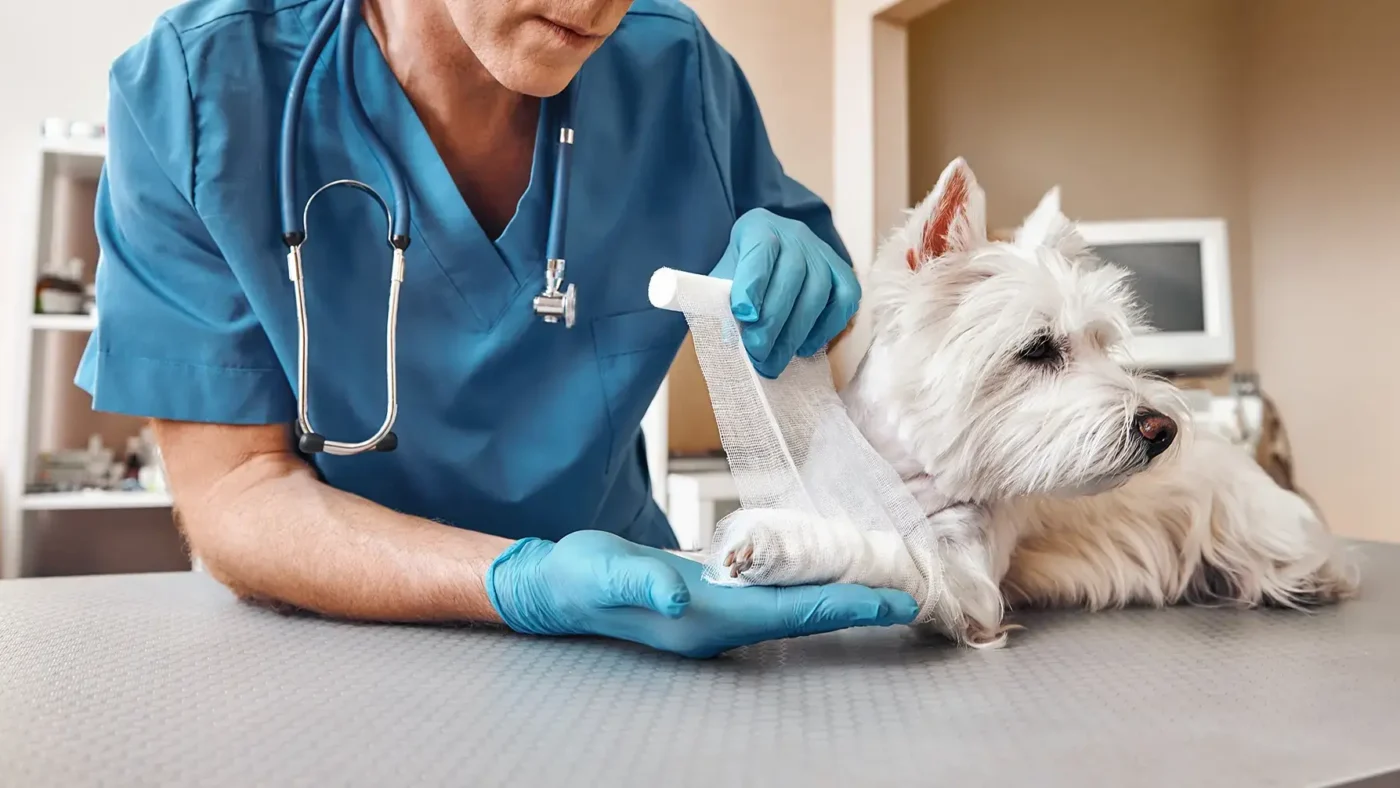
Surgery can save your pet’s life. It can also cause fear, stress, and real pain. You deserve to know exactly how a clinic will protect your pet before, during, and after an operation. You also need clear steps you can follow at home. This guide explains how veterinary teams plan pain control, watch for problems, and support healing in the first hours and the first weeks. It covers common tools like pain medicine, bandage care, and activity limits. It also explains how staff teach you to spot warning signs early. If you are choosing a veterinary clinic in Dallas or thinking about a future procedure, this information helps you ask sharp questions and push for strong care. Your pet depends on you. You can push for a plan that reduces pain, lowers risk, and supports a safer recovery. There is more on this in How Veterinary Clinics Care For Exotic And Small Pets.
How Clinics Plan Pain Control Before Surgery
Good pain control starts before the first cut. Staff review three things. They look at your pet’s age and health. They study the type of surgery. They listen to your worries and your home routine.
Before surgery, the team usually
- Checks blood work and heart function
- Chooses safe drugs for pain and sleep
- Plans back up options if pain stays high
You can ask direct questions. Ask how they measure pain. Ask which drugs they use. Ask how long pain relief should last after you go home.
Pain Control During Surgery
During surgery, a trained staff member watches every breath. They track heart rate, blood pressure, and oxygen. They also watch for signs that pain is breaking through.
Staff often use a mix of methods.
- Strong pain shots before and during surgery
- Gas anesthesia for sleep
- Local blocks that numb the cut site
This mix keeps your pet stable. It also lowers the dose of each drug. That reduces side effects and supports faster waking after surgery.
Pain Control Right After Surgery
The first hours after surgery are tense. Your pet wakes up, feels strange, and may hurt. Staff stay close and keep checking for pain signs. Common signs include
- Whining or crying
- Fast breathing
- Stiff body or refusal to move
- Wide eyes or fixed stare
Team members use pain scales that score these signs. You can see examples of these tools in resources from the National Institutes of Health. When scores are high, staff adjust the drugs until your pet settles.
Common Pain Medicines And What They Do
| Medicine type | What it does | Common use | Key risk to watch |
|---|---|---|---|
| NSAIDs | Reduce swelling and soreness | Most soft tissue and joint surgery | Upset stomach or low appetite |
| Opioids | Block strong pain signals | Major or bone surgery | Sleepiness and slow breathing |
| Local blocks | Numb one body part | Dental and limb surgery | Weakness in the numbed limb |
| Gabapentin | Helps nerve pain | Spine or chronic pain | Drowsy behavior |
| Tranquilizers | Ease fear and restlessness | Very anxious pets | Low energy and wobbliness |
The U.S. Food and Drug Administration lists approved animal pain drugs and safety tips at the FDA Center for Veterinary Medicine. You can use this to understand labels and side effects.
How Staff Teach You Before Discharge
Before you leave, the team should walk you through three key topics. They explain how to give each medicine. They show you how to protect the cut. They warn you about danger signs.
Ask the staff to
- Write clear times and doses for every drug
- Show you the cut and the normal look of the skin
- Explain how your pet’s pain should change each day
Repeat the plan in your own words. That simple step catches mistakes and builds trust.
Home Care: Pain, Rest, And The Surgical Site
At home, your job is simple and strict. You protect the cut. You control movement. You watch for pain.
Use this rule of three.
- Give every dose on time. Do not skip and do not double.
- Keep your pet in a small, calm room.
- Check the cut twice each day under good light.
Call your clinic at once if you see
- Swelling that grows
- Red streaks or pus
- Bad smell
- Constant crying or refusal to stand
Activity Limits And Recovery Timelines
Rest is not a suggestion. It is part of the treatment. Too much movement can tear the cut or loosen stitches.
- First week. Short leash walks only for bathroom breaks.
- Second week. Still no jumping, running, or stairs if you can avoid them.
- After suture removal. Gradual return to normal walking as your vet advises.
Use baby gates, crates, or a small room. That keeps your pet calm and keeps the cut safe.
Emotional Support For Your Pet
Pain is not only physical. Your pet may feel confused and scared. Your calm presence helps more than any drug.
- Speak in a quiet voice
- Offer gentle touch away from the cut
- Keep a steady routine for food, walks, and rest
If your pet acts aggressively or withdraws, tell your clinic. That change can signal pain or drug effects.
When To Seek Emergency Help
Do not wait and hope if you see
- Open stitches or heavy bleeding
- Fast breathing, gray gums, or collapse
- Vomiting that will not stop
- Seizures or sudden confusion
Go to an emergency clinic or your regular vet. Quick action can save your pet from lasting harm.
Working As A Team With Your Clinic
Strong pain and post-surgical care is a shared job. Your clinic brings skill and tools. You bring close watching and quick reporting. Together, you can cut pain, lower problems, and give your pet a safer path back to normal life.
Apart from that, if you want to know about Why Cat And Dog Hospitals Emphasize Client Education then please visit our Pets Category.