

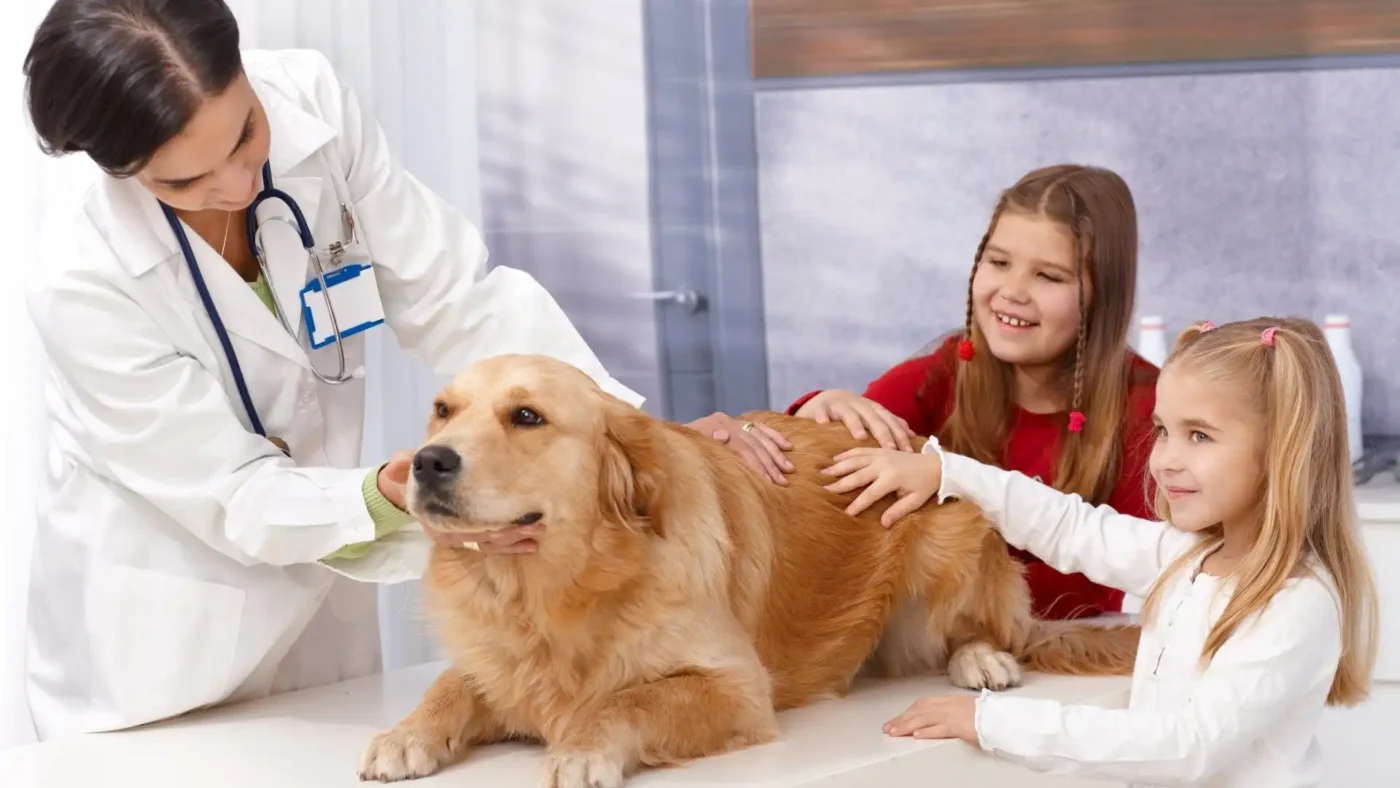
Allergies can turn your pet’s life into constant scratching, chewing, and misery. You might see red skin, ear infections, or stomach trouble and feel helpless. An animal clinic gives you clear answers and a plan. You get trained eyes on your pet. You get tests that show what is causing the reaction. You also get safe medicine and simple steps you can use at home. Many clinics, such as Cape Coral veterinary, use skin checks, blood tests, and food trials to track down the trigger. Then they match treatment to your pet’s needs. That can mean allergy shots, special diets, or changes in your home. You do not have to guess. You do not have to watch your pet suffer without a plan. With the right clinic partner, you can reduce flare ups, protect your pet’s skin, and bring back calm days and nights.
Common Allergy Signs You Can Spot At Home
You see your pet every day. You notice small changes fast. That makes you the first line of defense. Watch for three common groups of signs.
- Skin and coat changes. Constant scratching. Licking paws. Rubbing the face on carpet or furniture. Red or dark patches. Hair loss in spots.
- Ears and eyes. Smelly ears. Brown or yellow build up. Head shaking. Red or watery eyes. Rubbing the face with paws.
- Stomach and breathing. Soft stool. Gas. Vomiting. Coughing. Sneezing. Fast breathing after small triggers like dust.
These signs can come and go. They can shift with seasons, food changes, or stress. That pattern helps your clinic sort out true allergies from other problems.
Why You Need A Clinic For Allergy Help
Home care has limits. You can wash bedding and change food. You can try over the counter products. Yet you cannot see inside the skin or immune system. A clinic can.
At a visit, the team can
- Take a full history of signs and patterns.
- Do a full nose to tail exam.
- Rule out fleas, mites, and infections.
- Run tests to confirm or rule out allergies.
That process protects your pet from silent problems like skin infection or ear damage. It also prevents guesswork that wastes time and money.
You can read more about pet allergy signs and causes from the U.S. Food and Drug Administration at this guidance on dog food allergies.
Types Of Allergies Clinics Commonly See
Most pet allergies fit into three main groups. Many pets have more than one type at the same time.
- Flea allergy. One bite can set off a strong skin reaction. You may see hair loss at the back and tail. You may not see live fleas.
- Food allergy. The immune system reacts to a protein in food. Common ones are beef, dairy, chicken, or fish. Signs often include ear issues and stomach upset.
- Environmental allergy. Pollen, dust mites, mold, and grasses trigger itching. Signs often flare in certain seasons or in certain rooms.
Each type needs a different plan. That is where testing and a clear method help.
How Clinics Test For Allergies
Clinics use a mix of exams and tests. No single test fits every pet. Your vet will pick what matches your pet’s signs and history.
Common Allergy Tools Used In Animal Clinics
| Tool | What It Shows | Best Use | Limits |
|---|---|---|---|
| Skin exam and skin scrape | Checks for fleas, mites, and skin infection | First step for any itchy pet | Does not confirm allergy type |
| Ear exam and swab | Shows yeast or bacteria in the ear | Pets with head shaking or smell | Finds infection, not the trigger |
| Food elimination diet | Shows if food is causing signs | Pets with year round itching or stomach issues | Needs strict feeding for 6 to 8 weeks |
| Blood test for allergy | Measures reaction to pollens and other allergens | Pets with suspected environmental allergy | Can give false positives, needs vet review |
| Skin intradermal test | Maps specific environmental triggers | Pets that may need custom allergy shots | Needs sedation and a specialist |
The gold standard for food allergy is the elimination diet. You can read how this works in more detail from the Ohio State University Veterinary Medical Center at their allergy testing resource.
Treatment Options Clinics Offer
Once you have a diagnosis, treatment can start. A good plan has three parts.
1. Remove Or Reduce The Trigger
- Use strong flea control for flea allergy. Treat all pets in the home.
- Use the allergy diet for food allergy. Feed only the food and approved treats.
- Wash bedding in hot water. Vacuum often. Use air filters for dust and pollen.
Small daily steps often reduce itch more than one strong drug.
2. Calm The Itch And Heal The Skin
- Anti itch medicine to break the scratch cycle.
- Medicated shampoos to clean skin and remove allergens.
- Ear drops to treat yeast or bacteria.
- Fatty acid supplements to support the skin barrier.
Your vet will match the strength of treatment to your pet’s level of pain and risk.
3. Long Term Control
- Allergy shots or oral drops based on test results.
- Seasonal medicine during high pollen months.
- Year round flea control and skin care.
Allergy shots often need time to work. Many pets show clear change after 6 to 12 months. Your clinic will track progress and adjust dosing.
How You And The Clinic Work As A Team
Allergy care is not a single visit. It is a shared plan. You bring close daily watching. The clinic brings medical tools. Together you can
- Set clear goals such as less night scratching or fewer ear infections.
- Use a log to track flare ups, foods, and weather.
- Adjust medicine based on response and side effects.
- Schedule follow ups before peak allergy seasons.
This steady method helps your pet feel safer and more relaxed. It also lowers long term cost by preventing crises.
When To Call The Clinic Right Away
Contact your clinic fast if you see
- Swollen face or muzzle.
- Hives over the body.
- Fast breathing or trouble breathing.
- Open sores or bleeding from scratching.
- Lethargy or refusal to eat.
These signs can point to a strong reaction or infection. Quick care protects your pet from lasting harm.
Giving Your Pet Relief That Lasts
Allergies do not need to rule your home. With a clear diagnosis, targeted treatment, and steady follow up, most pets gain strong relief. Your pet can sleep through the night. You can enjoy time together without constant worry. An animal clinic gives you that path and walks it with you, one visit at a time.
If you want to know about 5 Preventive Treatments Every Pet Should Receive At An Animal Clinic then please visit our Pets category.