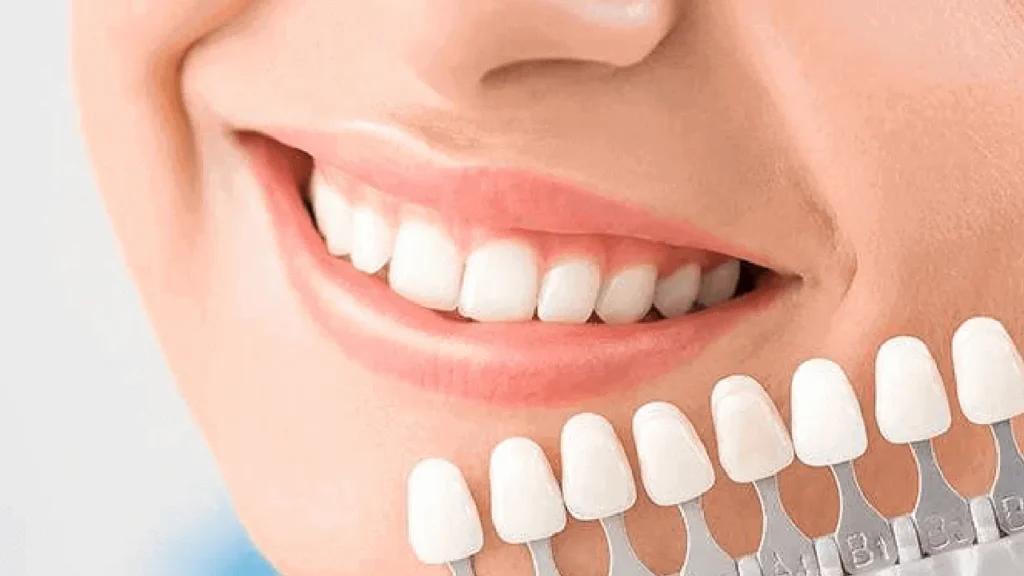


Routine dental care builds lifelong oral health by stopping small problems before they become painful, expensive ones. Daily brushing and flossing control plaque, while regular checkups and professional cleanings remove hardened tartar, catch early cavities and gum disease, and screen for issues you cannot see yourself. Together they protect your teeth, gums, comfort and overall health for decades.
Most people think of the dentist only when something hurts. By then, the problem has usually been building quietly for months. A steady rhythm of home care and preventive visits flips that pattern: instead of reacting to pain, you stay ahead of it. A trusted dentist in Indianapolis or in your own area can explain exactly where your risks are, what to change at home, and when a symptom deserves a quick call rather than a wait until your next appointment.
This guide breaks down what routine dental care actually involves, why it matters at every age, and how to build a home routine that makes each checkup easier.
What “Routine Dental Care” Actually Means
Routine dental care has two halves that depend on each other. The first is what you do every day at home. The second is what a dental team does on a regular schedule in the office. Neither half works well on its own.
| Part of routine care | Who does it | How often | What it protects against |
|---|---|---|---|
| Brushing with fluoride toothpaste | You | Twice a day, two minutes | Plaque buildup, early enamel decay |
| Cleaning between teeth | You | Once a day | Cavities between teeth, gum inflammation |
| Smart food and drink choices | You | Every day | Acid attacks on enamel, cavities |
| Professional cleaning | Dental hygienist | Usually every six months, or as advised | Tartar, stains, early gum disease |
| Exam and x-rays as needed | Dentist | At checkups; x-rays based on your risk | Hidden decay, bone loss, failing fillings |
| Oral cancer and soft-tissue screening | Dentist | At checkups | Sores, lumps or patches that need follow-up |
Your dentist may suggest a different interval than six months. People with a history of gum disease, frequent cavities, diabetes, or dry mouth often benefit from more frequent visits, while some low-risk adults can space them out. The right schedule is the one built around your mouth, not a one-size rule.
Why Daily Habits Matter More Than You Think
A few minutes of brushing and flossing shape your oral health for years. Every day, a sticky film of bacteria called plaque forms on your teeth. The bacteria feed on sugars and release acid that softens enamel. If plaque stays put, it hardens into tartar, which a toothbrush cannot remove. Tartar along the gumline irritates the gums, which then swell and bleed. Left alone, that inflammation can progress into periodontitis, where the tissue and bone holding teeth in place break down and teeth loosen.
You can break this chain with three steady habits:
- Brush twice a day with fluoride toothpaste. Fluoride helps harden enamel and can reverse the very earliest stage of decay.
- Clean between your teeth once a day. Floss, interdental brushes, or a water flosser reach the surfaces a brush misses, which is where many cavities start.
- Drink water often and limit sugary drinks and snacks. Frequent sipping and grazing keep your mouth acidic for longer; keeping sweets to mealtimes gives saliva time to recover.
These steps keep acid from wearing away enamel and stop harmful bacteria from settling into the pockets along your gums. Over time, that adds up to fewer fillings, fewer cracked teeth and fewer emergency visits.
What Happens During a Routine Dental Visit
A preventive visit follows a predictable pattern. Knowing what to expect makes it less stressful, especially if you have been away from the dentist for a while.
- Health review. You share any changes in your health, medications, pregnancy, or habits such as smoking. Many medicines cause dry mouth, which raises cavity risk, so this step matters.
- Cleaning. A hygienist removes plaque and tartar above and just below the gumline, then polishes the teeth. They may also measure gum pocket depths to track gum health.
- Examination. The dentist checks teeth, gums, tongue, cheeks and throat. X-rays may be taken to look between teeth, under existing fillings and at the bone.
- Plan. You hear what looks healthy, what is at risk, and what needs treatment, along with practical advice for your home routine.
A checkup is not only about teeth. Dentists screen for signs of oral cancer and can spot changes linked to other conditions, such as diabetes. Public health agencies, including the Centers for Disease Control and Prevention, note that gum disease has been associated with conditions like heart disease and diabetes, and that oral health matters during pregnancy. A short visit can flag a concern while it is still early.
Questions worth asking at your next checkup
- Are there any areas I am missing when I brush or floss?
- Is my cavity or gum disease risk low, moderate, or high?
- How often should I come in based on my risk?
- Would a fluoride treatment, sealants, or a night guard help me?
How Routine Care Lowers Pain, Cost, and Worry
Tooth pain usually starts small. A tiny cavity or mild gum swelling may not hurt at all. Without treatment, decay can reach the nerve, and that is when sharp pain, root canals or extractions enter the picture. Routine care changes that path:
- Cavities found early can often be fixed with a small filling instead of a crown or root canal.
- Gum disease caught at the gingivitis stage is usually reversible with better cleaning at home and in the office.
- You avoid surprise infections that disrupt sleep, work and school.
The difference shows up clearly when you compare what an early fix involves with what a delayed one does.
| Problem | Caught early | Caught late |
|---|---|---|
| Tooth decay | Small filling, often in one short visit | Root canal, crown, or extraction |
| Gum inflammation | Cleaning and better home care | Deep cleaning, ongoing gum therapy, possible tooth loss |
| Cracked or worn tooth | Bonding or a night guard | Crown or extraction if the crack spreads |
| Suspicious mouth sore | Prompt evaluation and monitoring | Later diagnosis with fewer options |
Untreated tooth decay remains common among both children and adults in the United States, according to the National Institute of Dental and Craniofacial Research. Regular visits are one of the simplest ways to avoid becoming part of those numbers. Many dental insurance plans also cover preventive checkups and cleanings at a high rate, so the visits that save you the most money are often the cheapest ones to book.
Routine Dental Care Across Every Stage of Life
Your oral health needs change as you age, and routine care should adjust with you.
| Life stage | Main oral health risks | Key routine care steps |
|---|---|---|
| Babies and young children | Early cavities from bottles, juice and frequent snacks | First dental visit by age one. Fluoride. Parents brush for them and supervise until they can do it well. |
| Teens | Sports injuries, sugary and acidic drinks, braces | Regular cleanings. Mouthguards for contact sports. Honest talks about diet, vaping and tobacco. |
| Adults | Gum disease, stress-related grinding, worn fillings | Regular checkups. Night guards if needed. Careful daily cleaning between teeth. |
| Older adults | Dry mouth, root decay, tooth loss | More frequent checks if advised. Care tailored to dentures, bridges or implants. |
Children who visit the dentist regularly from a young age tend to see it as a normal part of life rather than something to fear. Learn more about the benefits of regular dental cleanings for children. Adults who keep a steady schedule avoid the anxiety that builds after years without a checkup, when they worry about what the dentist might find.
How to Build a Strong Home Routine
Most of your protection happens between visits. These details make the biggest difference:
- Brush the right way. Use a soft-bristled brush, angle it toward the gumline, and move in small circles. Spend a full two minutes, and replace the brush every three to four months or when the bristles fray.
- Clean between teeth. Choose the tool you will actually use: floss, floss picks, interdental brushes, or a water flosser. Consistency beats perfection.
- Do not rinse away fluoride. Spit out excess toothpaste after brushing rather than rinsing with water, so fluoride stays on the teeth longer.
- Watch what and when you eat. Choose water, milk, and unsweetened drinks. Keep sweets and acidic drinks with meals rather than sipping them throughout the day.
- Protect your teeth. Wear a mouthguard for sports and ask about a night guard if you wake with jaw pain or headaches.
For families, make the routine easy to follow. Keep brushes and floss within reach, brush alongside young children, and use a simple sticker chart to reward consistency. The goal is a habit that feels automatic rather than a chore.
Common mistakes that undo good habits
- Brushing hard with a medium or hard brush, which can wear enamel and push gums back.
- Skipping cleaning between teeth because gums bleed. Bleeding is usually a sign of inflammation that improves with gentle, regular cleaning; if it continues for more than a week or two, see your dentist.
- Sipping soda, sports drinks, or sweetened coffee over several hours.
- Postponing checkups because nothing hurts.
When to Call Your Dentist Between Visits
Routine care includes speaking up when something feels wrong. Do not wait for your next checkup if you notice:
- Gums that bleed regularly when you brush or floss.
- Persistent bad breath that does not improve with brushing.
- New white, brown, or black spots on teeth.
- Sensitivity to hot, cold, or sweet foods that lingers.
- Mouth sores that do not heal within two weeks.
- Swelling in your face or gums, or a toothache with fever. These need prompt attention.
Acting quickly keeps small problems from turning into deep infections. If you are unsure whether a symptom is urgent, call your dental office and describe it; they can tell you how soon you need to be seen. This article is general information and does not replace advice from your own dentist or doctor.
Bottom Line: Routine Care Is a Promise to Yourself and Your Family
Routine dental care is not about a perfect smile. It is about eating comfortably, speaking clearly, and keeping a healthy mouth that supports the rest of your body. Start with one concrete step today: book your next checkup if it has been more than six months. Then keep brushing twice a day, clean between your teeth daily, and reach for water instead of sugary drinks. For more on prevention, read 4 Ways Preventive Dentistry Protects Smiles Across Generations or browse our Health category.
Frequently Asked Questions
How often should I go to the dentist for routine care?
Many people do well with a checkup and cleaning about every six months. Your dentist may recommend more frequent visits if you have gum disease, frequent cavities, diabetes, or dry mouth, and some low-risk adults may be advised to come less often.
Is brushing alone enough to keep teeth healthy?
No. Brushing cleans the front, back and chewing surfaces, but it misses much of the space between teeth. Daily flossing or interdental cleaning, a low-sugar diet, and regular professional cleanings fill those gaps.
What is the difference between plaque and tartar?
Plaque is a soft, sticky film of bacteria that forms on teeth every day and can be brushed away. Tartar is plaque that has hardened, and it can only be removed with professional tools during a dental cleaning.
When should a child have their first dental visit?
Dental organizations recommend a first visit by a child’s first birthday or within six months of the first tooth appearing. Early visits help catch cavities from bottles and snacks and get children comfortable with the dentist.
Can poor oral health affect the rest of my body?
Research has linked gum disease with conditions such as heart disease and diabetes, and oral health is an important part of a healthy pregnancy. Keeping gums healthy through routine care is a sensible part of looking after your overall health.