

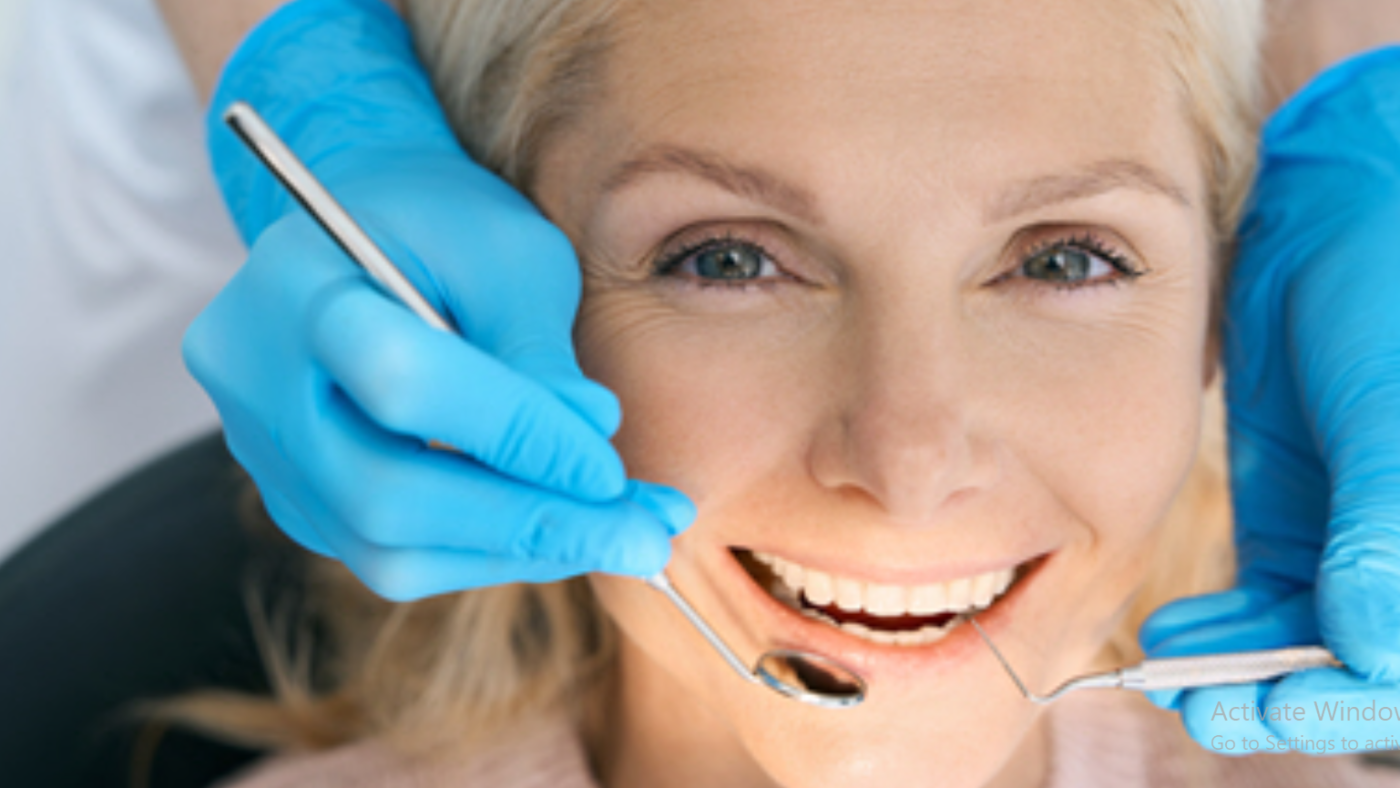
Healthy teeth protect more than a smile. They protect how you eat, sleep, speak, and connect with people you love. When you care for your mouth early and often, you lower pain, cost, and stress for yourself and your family. You also give your children and grandchildren a stronger start. Preventive dentistry focuses on small steps that stop big problems. Simple habits, regular cleanings, and honest talks with your dental team can keep decay, infection, and tooth loss from taking over your life. A trusted family dentist in Cascade, MI can guide you through these choices and support every age in your home. This blog explains four clear ways preventive care guards your mouth at every stage of life. You will see how early action, steady routines, and shared responsibility protect smiles from childhood through older age.
1. Routine Visits Catch Problems Before They Hurt
You often feel dental problems only after they grow. By that time, treatment can be longer, harder, and more expensive. Regular checkups stop that cycle. You give your dentist a chance to spot small changes in your teeth and gums before they turn into deep decay or infection.
The Centers for Disease Control and Prevention explains that untreated cavities are common in children and adults. Many of these cavities would be smaller or avoided with steady exams and cleanings.
During a preventive visit, you can expect three core steps.
- A full look at your teeth, gums, and tongue
- Careful cleaning to remove plaque and hardened tartar
- Plain talk about brushing, flossing, and food choices
Routine care is more effective after treatment. If you have fillings, crowns, or implants, checkups help those restorations last longer. You protect your investment and lower the chance of sudden problems that pull you out of work or school.
2. Fluoride and Sealants Shield Growing Teeth
Children and teens face a high risk of cavities. Their teeth are still growing. Their brushing skills are still forming. Preventive treatments add a strong layer of protection while you guide those habits at home.
Fluoride strengthens tooth enamel. It helps repair early damage that you cannot see or feel. Dental sealants cover the deep grooves on the chewing surfaces of back teeth where food and germs collect. The National Institute of Dental and Craniofacial Research reports that sealants can greatly reduce cavities in children.
The table below compares common preventive tools for different ages.
| Preventive step | Main purpose | Best ages | How often |
|---|---|---|---|
| Routine checkup and cleaning | Remove plaque and tartar. Find early problems. | All ages | Every 6 to 12 months |
| Fluoride treatment | Strengthen enamel. Slow early decay. | Children, teens, high-risk adults | Every 3 to 12 months based on risk |
| Dental sealants | Protect chewing surfaces from cavities. | Children and teens when molars appear | Usually once, checked at each visit |
| X rays when needed | Reveal hidden decay and bone loss. | Children and adults | Every 1 to 3 years based on risk |
When you choose fluoride and sealants early, you often prevent deep fillings, root canals, and tooth loss later. You spare your child that pain. You also teach them that care can be simple and calm.
3. Healthy Mouth Habits Lower Disease Risk for Life
Preventive dentistry is not only what happens in the chair. It is also what you do every day in your home. Three habits protect your mouth throughout your life.
- Brush twice a day with fluoride toothpaste
- Clean between teeth once a day with floss or another tool
- Limit sugary drinks and snacks
These steps reduce plaque. They protect your gums and the bone that holds your teeth. Gum disease is linked to heart disease, diabetes, and pregnancy problems. When you protect your gums, you protect your body.
Children copy what they see. When they watch you brush and floss every day, they learn that this is normal adult behavior. Grandparents can help by showing simple routines during visits or sleepovers. Three minutes in the bathroom together can shape health for decades.
4. Shared Care Plans Support Every Generation
Each stage of life brings new dental needs. Young children need guidance with brushing and snacks. Teens may need help with sports guards or care for braces. Adults often juggle stress, smoking, or medical conditions. Older adults may face dry mouth, tooth wear, and changing medications.
A preventive care plan looks different for each person. It still rests on the same core ideas. Early action. Steady routines. Shared responsibility. You can work with your dental team to build simple plans for each member of your family.
- For children. Schedule regular visits. Ask about fluoride, sealants, and injury prevention.
- For adults. Review medical history, stress, and tobacco use. Plan more frequent cleanings if needed.
- For older adults. Check for dry mouth, loose teeth, and denture comfort. Watch for changes in swallowing or speech.
When you keep one office that knows your family story, patterns become clear. Your dentist may see signs of shared risks such as weak enamel or gum problems. Early steps for younger generations can break those patterns.
Start Small Today and Protect Tomorrow
You do not need a complex plan to start preventive dentistry. You need three simple moves.
- Schedule routine visits for every family member
- Set daily brushing and flossing times that you protect like any appointment
- Cut back one sugary drink or snack each day
These choices may feel small. They can prevent pain, lost school and work days, and large bills. They also carry a quiet message to your children and grandchildren. Your health matters. Their health matters. When you act early and stay steady, you guard smiles for a lifetime.
If you want to know about 6 Ways General Dentists Help Reduce Pain and Anxiety During Your Visit then visit our Health category.