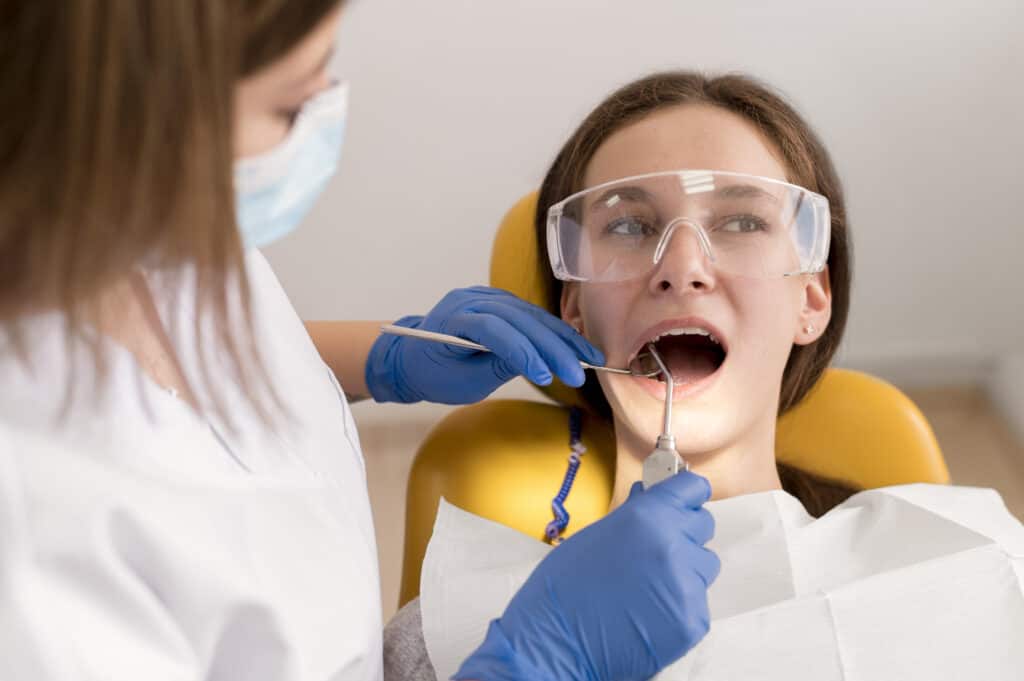

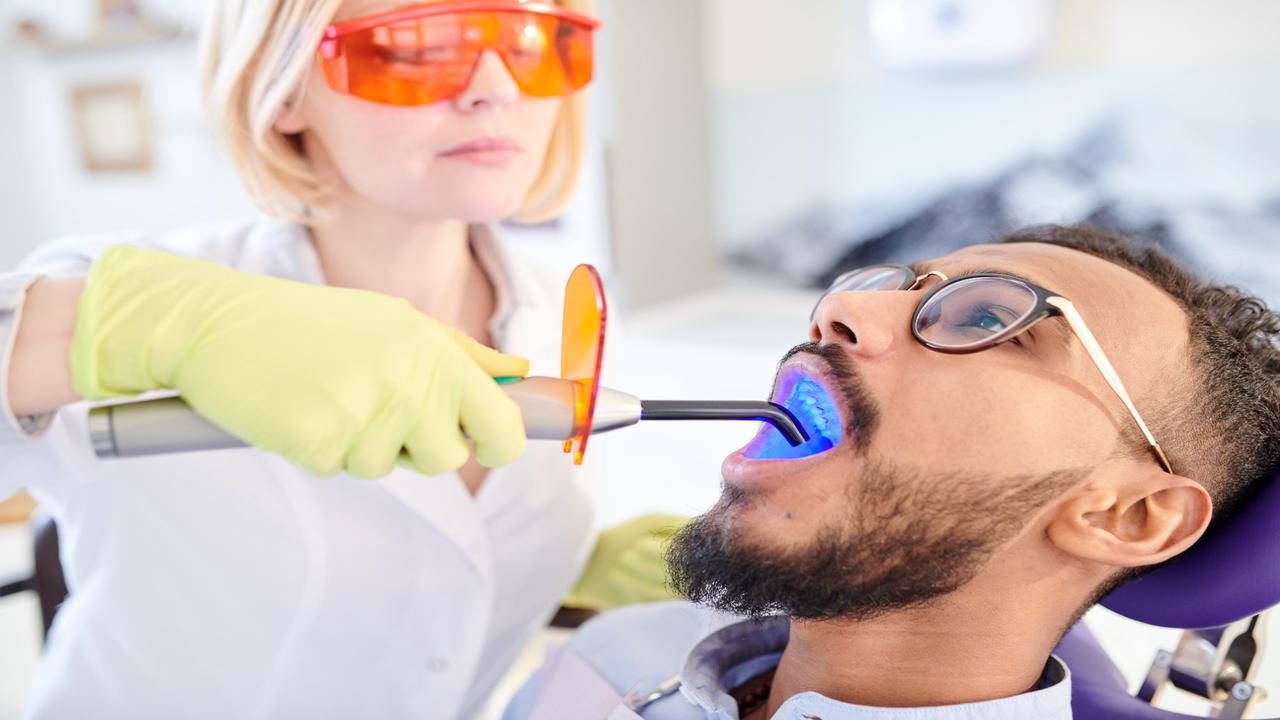
Healthy teeth protect your child’s body, speech, and confidence. Regular dental cleanings do more than scrub away plaque. They catch quiet problems before they turn into pain, infections, or missed school days. Many parents wait until a tooth hurts. By then, treatment is longer, harder, and more costly. You can prevent that. A cleaning every six months gives your child a fresh start. It also gives you clear answers about brushing, flossing, and diet. During these visits, a children’s dentist in Lee checks growth, checks gums, and checks for early decay. The care is gentle. The visit is short. The impact can last for years. This blog explains five key benefits of routine cleanings for children. You will see how simple habits protect your child’s health, sleep, and daily life. You will also see what to expect at each visit so you can walk in prepared.
1. Fewer cavities and less pain
Cavities are common in children. They do not need to be. Cleanings remove sticky plaque and hard tartar that brushing at home leaves behind. That simple step lowers the chance of holes in teeth.
During each visit, the dentist and hygienist:
- Remove plaque and tartar from teeth and along the gumline
- Check for soft spots that may turn into cavities
- Use fluoride when needed to strengthen tooth enamel
The Centers for Disease Control and Prevention reports that cavities are the most common chronic disease in children. Yet cavities are easy to prevent with cleanings, daily brushing, and careful use of snacks and drinks. You spare your child from sharp tooth pain. You also avoid urgent visits that disrupt work and school.
2. Stronger gums and healthier body
Gum problems can start early. Red, puffy, or bleeding gums are signs of trouble. Cleanings clear away germs that irritate gum tissue. That support keeps the mouth stable.
During a cleaning visit, the dental team:
- Measures the health of the gums
- Watches for early signs of gum disease
- Teaches your child how to brush near the gums without hurting them
Research links poor oral health with other health problems later in life. You build protection now. You also teach your child that gum care matters as much as tooth care. That single lesson removes fear and shame around bleeding gums. It replaces it with action.
3. Better speech, chewing, and growth
Healthy teeth guide how a child chews, speaks, and grows. When teeth hurt or sit out of place, a child may avoid hard foods. That choice can limit nutrition. It can also affect jaw growth.
Regular cleanings support normal function in three ways:
- They keep baby teeth in place until the right time for them to fall out
- They protect permanent teeth as they appear
- They help the dentist spot bite problems early
The National Institute of Dental and Craniofacial Research explains that early care supports eating, speaking, and learning. A clean mouth helps clear speech. It helps steady chewing. It also supports jaw and facial growth during key years. You give your child a stronger base for school, play, and social life.
4. Lower costs and fewer emergencies
Preventive care costs less than treatment. A short cleaning visit often replaces long visits for fillings, crowns, or extractions. That fact matters for every family budget.
The table below compares an ongoing routine with a wait-for-pain approach. Costs are sample ranges. Actual amounts vary by location and coverage.
| Care pattern | Typical visits over 5 years | Common procedures | Estimated total cost range |
|---|---|---|---|
| Regular cleanings every 6 months | 10 checkups and cleanings | Cleanings, fluoride, sealants, X-rays | Low to moderate |
| Visits only when there is pain | 3 to 5 urgent visits | Fillings, possible crowns or extractions | Moderate to very high |
Routine visits also cut the risk of late-night emergencies. Early care turns a small cavity into a simple filling. Waiting can turn it into a deep infection that needs a root canal or removal. You trade panic and fear for calm, planned visits.
5. Strong habits and less fear of the dentist
Children learn from repetition. Each cleaning visit sends three clear messages. The mouth matters. The dentist is safe. You are in control.
With regular cleanings, your child:
- Practices sitting in the dental chair without stress
- Gets praise for brushing and flossing efforts
- Feels heard when sharing worries or questions
This rhythm lowers fear. It also builds trust with the dental team. Over time, your child views the dentist as a partner, not a threat. That shift often carries into adulthood. It breaks the cycle of avoiding care until pain becomes unbearable.
What to expect at a routine cleaning visit
Knowing the steps calms children and parents. A typical cleaning visit includes three simple parts.
First, check in and talk. The team asks about health, medicines, and any tooth or jaw pain. You can share changes in eating, sleep, or school focus.
Second, cleaning and exam. The hygienist removes plaque and tartar. The teeth are polished. The dentist then checks each tooth, the gums, and the way the teeth fit together. X-rays may be taken based on age and risk.
Third, guidance and next steps. You receive clear tips on brushing, flossing, and snacks. The dentist explains any concerns and suggests a follow-up if needed. You leave with a plan, not guesswork.
Taking the next step for your child
You protect your child from many threats. Tooth decay is one you can control with simple steps. Regular dental cleanings keep teeth strong, gums stable, and costs lower. They also protect speech, chewing, and confidence.
Schedule a cleaning every six months. Mark it on the family calendar. Treat it like any key health visit. Your child may forget every single appointment. The body will not forget the steady protection you provide.
Apart from that, if you want to know more about 4 Red Flags To Watch For When Comparing Medical Spas then visit our Health category.