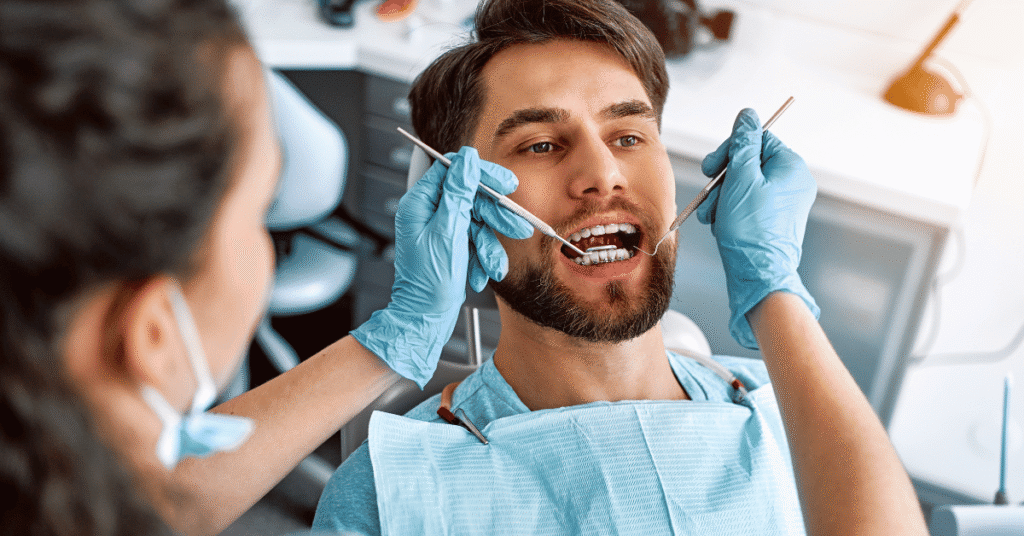

Your mouth changes with every stage of life. So your dental care must change too. A baby’s first tooth, a teen’s braces, an adult’s grinding, an elder’s dentures. Each stage brings new risks, new pain, and new questions. General dentistry adjusts to all of it. You do not get a one size fits all plan. You get care that fits your age, your health, and your daily stress. An Edmonton, AB dentist watches for patterns across a lifetime. Cavities in childhood. Sports injuries in youth. Clenching from work stress. Dry mouth and tooth loss as you age. Early care can prevent long treatment later. Honest advice can ease fear. Clear plans can protect your budget. This guide explains how routine dentistry shifts with age so you can protect your teeth, protect your confidence, and stay ahead of problems before they take over your life.
Why different ages need different dental care
Your teeth, gums, and jaw do not stay the same. They grow, harden, wear down, and sometimes break. Hormones change. Medicines change. Habits change. A general dentist tracks these changes and adjusts your care.
Across life, three goals stay the same.
- Prevent pain and infection
- Protect chewing and speech
- Support your confidence when you smile
The tools stay similar. Cleanings, exams, x rays, fillings, and education. Yet the focus shifts with each age group.
Infants and toddlers: the first teeth
The first visit should happen by your child’s first birthday or when the first tooth appears. The Centers for Disease Control and Prevention shows that many children get cavities before kindergarten. Early visits lower that risk.
At this stage a general dentist will usually:
- Check for early decay and tooth defects
- Watch how the jaws and bite are growing
- Guide you on brushing with a tiny smear of fluoride toothpaste
- Talk about bottle use, nursing, and snacks
- Apply fluoride varnish if needed
You help most by cleaning the teeth twice a day, limiting juice and sticky snacks, and avoiding putting a child to bed with a bottle that has anything other than water.
Children: building habits and protecting teeth
From school age to early teens, the main goals are habit building and cavity control. New permanent teeth come in. Sports, falls, and rough play raise the chance of chipped teeth.
Your dentist may focus on:
- Regular cleanings and sealants on back teeth
- Fluoride treatments and home fluoride advice
- Screening for crowding and bite problems
- Fitting mouthguards for sports
- Teaching brushing and flossing that a child can do alone
You can ask direct questions. How many cavities are starting. Which snacks hurt teeth most. When to see an orthodontist.
Teens and young adults: braces, wisdom teeth, and new risks
Teen years bring braces, new freedom, and new damage. Sugary drinks, vaping, and late nights can undo years of care. Stress and screen use can lead to clenching and grinding.
General dentistry at this age often includes:
- Working with orthodontists during and after braces
- Checking wisdom teeth with x rays
- Watching for gum inflammation from poor brushing
- Counseling about tobacco, vaping, and piercings
- Night guards when grinding shows up
Clear talk matters. Teens respond when you and the dentist explain the real cost. Stains that do not brush off. Gum loss that does not grow back. Bills that follow later.
Adults: maintenance, stress, and repair
In adult years, prevention and repair run side by side. Work stress, family duties, and money strain can push dental care down the list. Yet decay and gum disease keep moving if you wait.
A general dentist will usually:
- Set a cleaning schedule based on your risk
- Repair worn or broken fillings
- Treat gum disease early to protect teeth
- Address jaw pain and grinding with guards and habit changes
- Plan care around pregnancy, chronic disease, and medicines
The link between oral health and the rest of the body grows stronger with age. The National Institute of Dental and Craniofacial Research reports clear ties between gum disease and conditions like diabetes and heart disease. Your dentist can work with your doctor when problems overlap.
Older adults: dryness, tooth loss, and comfort
Later in life, medicines, joint problems, and illness change how you care for your mouth. Saliva often drops. That raises decay and soreness. Manual brushing gets harder. Teeth may loosen or need removal.
General dentistry for older adults often includes:
- More frequent cleanings and exams
- Checking for dry mouth and adjusting fluoride use
- Fitting and adjusting dentures or partials
- Discussing implants or bridges when teeth are lost
- Screening for oral cancer at every visit
Comfort and chewing power are the focus. Good chewing supports better nutrition and stable weight. That protects strength and mood.
Read More: 3 Cosmetic Dentistry Options That Support Confidence At Any Age
How care changes by age: quick comparison
| Age group | Main goals | Common services | Visit frequency |
|---|---|---|---|
| Infants and toddlers | Start healthy habits. Prevent early decay. | First exam. Fluoride varnish. Parent guidance. | Every 6 to 12 months |
| Children | Protect new teeth. Build skills. | Cleanings. Sealants. Fluoride. Mouthguards. | Every 6 months or as advised |
| Teens and young adults | Support braces. Manage new risks. | Cleanings. X rays. Wisdom tooth checks. Night guards. | Every 6 months or more often with braces |
| Adults | Maintain. Repair. Prevent gum disease. | Cleanings. Fillings. Crowns. Gum therapy. | Every 3 to 12 months based on risk |
| Older adults | Protect comfort. Support chewing and speech. | Denture care. Implants. Dry mouth care. Cancer checks. | Every 3 to 6 months |
How you can support good care at any age
Across every decade, three steps protect you.
- Brush twice a day with fluoride toothpaste
- Clean between teeth daily with floss or another tool
- See your dentist on the schedule they recommend
Then speak up. Tell your dentist about pain, fear, money limits, and health changes. Honest talk lets them adapt your care to your age and your life. That is how general dentistry serves your whole family from the first tooth to the last visit.
If you want to know more about 4 Benefits Of Regular Checkups In Preventive Dentistry, then visit our Health category.