
A healthy smile affects how you speak, eat, and move through each day. When you feel uneasy about your teeth, you may avoid photos, hold back laughter, or stay quiet in meetings. That strain can build over time. Cosmetic dentistry offers clear steps to change that. You can improve your smile at 18 or 80. Age does not block you. A skilled Buffalo Grove dentist can help you choose safe options that fit your needs, your budget, and your schedule. This blog explains three proven treatments that support confidence at any age. You will learn what each option does. You will see who it helps. You will understand what to expect before and after care. With the right information, you can talk with your dentist, ask direct questions, and move toward a smile that feels steady, strong, and true to you.
Start with your mouth health
Cosmetic work sits on top of your mouth health. You need steady gums and teeth first. You can review basic care steps through the Centers for Disease Control and Prevention oral health guide. Strong daily care keeps new cosmetic work stable and helps it last longer.
Before you choose any option, your dentist will
- Check for cavities and gum disease
- Review your medical history and medicines
- Take x rays and photos when needed
If your mouth is not ready, your dentist will treat those problems first. That can feel slow. It still protects you from pain and extra cost later.
Option 1. Teeth whitening for stained or dull teeth
Teeth whitening changes the color of your teeth. It does not change the shape or position. You might choose whitening if you see stains from coffee, tea, smoking, or age. The outer layer of your teeth can thin as you age. That can make teeth look darker.
You can choose from three main types of whitening.
- In office whitening with stronger products and light
- Take home trays made by your dentist
- Store products like strips or gels
In office and dentist trays give more even results. Store products can help in some cases. They might miss deeper stains or leave uneven color.
Whitening can cause short term tooth sensitivity. It usually fades after treatment stops. Children and teens need close review before whitening. Older adults with thin enamel or many fillings also need careful review.
Option 2. Dental bonding for chips, gaps, and worn edges
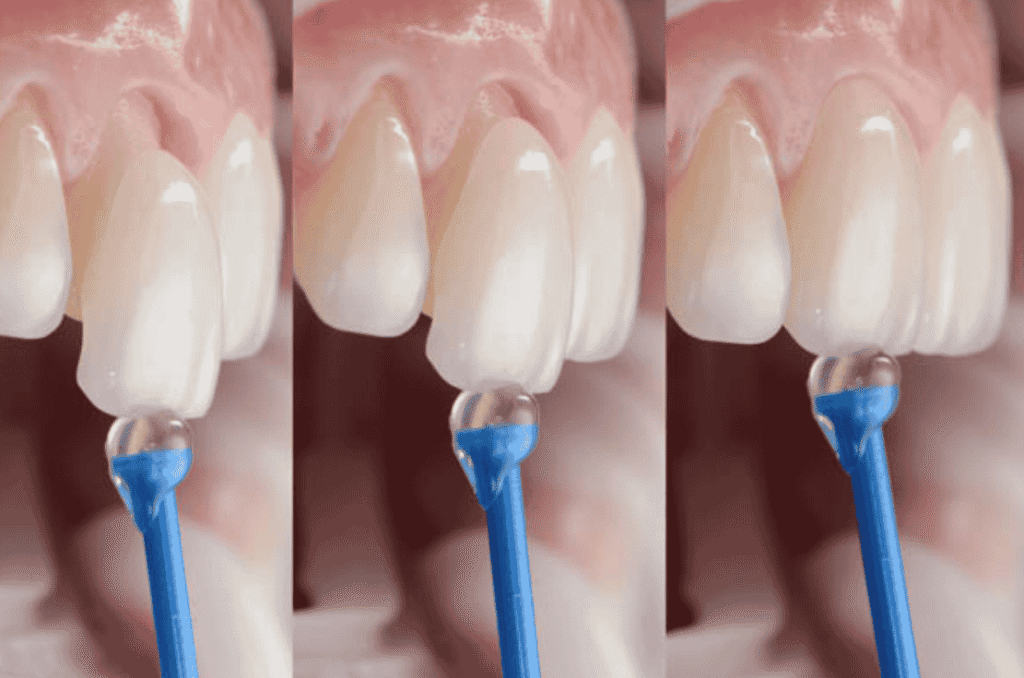
Dental bonding uses tooth colored material to change the shape or color of your teeth. Your dentist shapes a resin on the tooth, hardens it with light, and then polishes it. You might choose bonding if you have
- Small chips or cracks
- Short or worn front teeth
- Small gaps between teeth
- Stains that do not respond to whitening
Bonding often needs little or no drilling. Children, teens, and adults can use it. It can be a good choice if you want change without permanent reshaping of the tooth.
Bonding can stain over time. It can also chip. You may need touch ups. Careful brushing, flossing, and regular cleanings help it last longer. The National Institute of Dental and Craniofacial Research offers more detail on how decay and wear affect teeth and why repair matters.
Option 3. Veneers for deeper shape and color change
Veneers are thin covers that attach to the front of your teeth. They change color, shape, and size at the same time. You might choose veneers if you have
- Teeth that are worn down
- Teeth that look uneven or crooked
- Spaces between teeth
- Deep stains that whitening cannot reach
Your dentist usually removes a small layer from the front of each tooth. Then the lab makes custom shells. At a later visit, your dentist bonds the veneers to your teeth. Veneers can be porcelain or resin. Porcelain resists stains more and often lasts longer.
Veneers are not right if you grind your teeth, have weak enamel, or have many large fillings on front teeth. You may still use them if you treat grinding with a night guard. You and your dentist can weigh risk and benefit together.
Side by side comparison of the three options
| Treatment | Main purpose | Best for | Typical time | Common limits |
|---|---|---|---|---|
| Teeth whitening | Lighten tooth color | Stains from food, drink, smoking, age | One to three visits or two to four weeks at home | Does not change shape. Less effect on deep stains. |
| Dental bonding | Fix chips, small gaps, shape issues | Minor damage or shape change on few teeth | One visit for each tooth or small group | Can stain or chip. May need touch ups in some years. |
| Veneers | Full smile change in color and shape | Worn, uneven, or deeply stained front teeth | Two or more visits after planning | Permanent enamel removal. Higher cost. Not for very weak teeth. |
How age shapes your choices
You bring a different story to the chair at 16 than at 60. Age affects your teeth, gums, and jaw. It also affects your goals.
- Younger people often want quick fixes for chips or staining. Bonding or whitening can work well.
- Middle age adults may see wear, cracks, and darkening. Veneers or combined care may help.
- Older adults often manage gum loss, dry mouth, or past dental work. Whitening might need adjustment. Bonding or veneers may need extra support.
Your dentist will look at your bone health, medicines, and habits like grinding or clenching. Age alone does not block cosmetic work. Your overall health and mouth health guide the plan.
Questions to ask your dentist
You deserve clear answers before you choose any treatment. You can ask
- What problem are we fixing
- What are my top three options
- How long will each option last
- What care will I need at home
- What could go wrong and how would we fix it
- How much will it cost and what does my plan cover
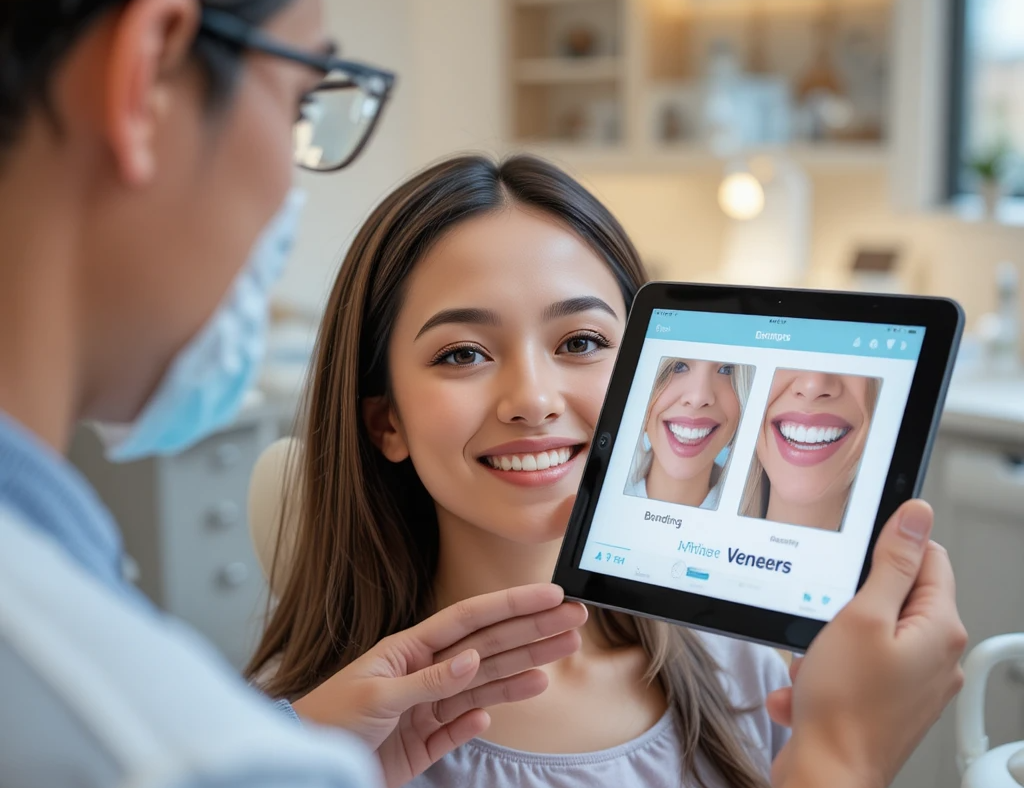
You can bring photos of smiles you like. You can also bring a list of your fears. That honest talk helps your dentist match treatment to your life.
Protect your new smile
After whitening, bonding, or veneers, you still need basic care. You can
- Brush two times a day with fluoride toothpaste
- Clean between teeth every day
- Limit sugary drinks and snacks
- Wear a night guard if you grind
- See your dentist for regular cleanings and checks
Small daily steps protect the time and money you invest. They also cut your risk for decay and gum disease. That means less pain and fewer urgent visits.
Move toward a smile that matches you
Cosmetic dentistry is not about perfection. It is about comfort and control. When your teeth match how you feel inside, you may speak up more. You may eat with less fear. You may smile in photos again.
You do not need to know every detail before you start. You only need to know your main concern, your budget, and your limits. Then you and your dentist can build a simple plan. Step by step, you can move toward a smile that supports your daily life at any age.
If you want to know about 3 Cosmetic Dentistry Options That Require Minimal Preparation then visit our Health category.