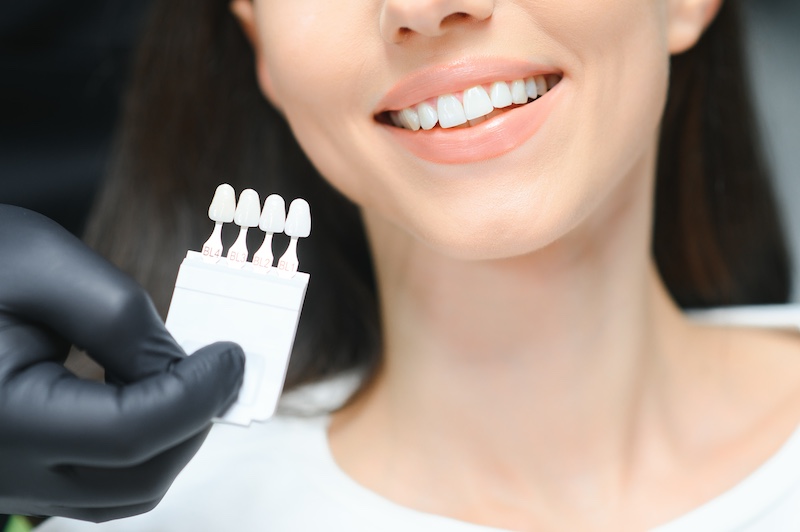


Your smile tells your story before you speak. When teeth chip, stain, or shift, that story can feel twisted. Cosmetic dentistry uses careful science and careful design to restore that story with honesty. You are not chasing perfection. You are seeking a mouth that feels like it belongs to you. A cosmetic dentist in Livermore, CA studies how light hits enamel, how gums frame each tooth, and how your bite works when you chew. Then treatment choices follow that study. Simple changes can change how you eat, talk, and interact with people. Careful color matching, tooth shape, and spacing all matter. Each step follows proven research. Every result must also look natural in real life. This blog explains how science guides each choice, how artistry shapes each tooth, and how both together can give you a smile that feels strong, true, and personal.
The Science Behind a Confident Smile
Cosmetic dentistry starts with facts. Teeth are living parts of your body. Gums, bone, and joints all connect. You need safe care that respects that link.
Science guides three key steps.
- Protect tooth and gum health
- Support a stable bite
- Use tested materials and methods
Research from the National Institute of Dental and Craniofacial Research shows how decay, gum disease, and tooth wear affect your whole mouth. A cosmetic plan must first control these problems. You cannot build a strong smile on weak support. Your dentist checks X-rays, gum depth, and jaw motion. Then treatment moves forward with clear data.
The Artistry That Shapes Natural Looking Teeth
Science alone does not make your smile feel human. Artistry gives each tooth a natural look that fits your face.
Your dentist studies details such as
- Face shape and lip line
- Tooth length and width
- Natural color of your skin and gums
Small design choices change how your smile feels. Slightly rounded corners can soften a stern look. Shorter front teeth can match a smaller face. Very white, flat teeth can look fake. You need a shade and shape that match your age and your daily life.
Common Cosmetic Treatments and How They Work
Several treatments blend science and design. Each one has a clear purpose.
- Teeth whitening. Uses safe gels to lift stains from enamel. Your dentist controls the strength and timing to protect your gums.
- Bonding. Uses tooth colored resin to fill chips or gaps. The dentist sculpts the resin, then hardens it with light.
- Veneers. Thin shells that cover the front of teeth. They change color, shape, or length with a strong ceramic material.
- Crowns. Full coverage for teeth that are weak or broken. They restore strength and look like natural teeth.
- Aligners or braces. Move teeth into better positions. They improve both bite and smile line.
The Centers for Disease Control and Prevention notes that untreated dental problems can lead to pain and missed school or work. Cosmetic care often repairs the damage from these problems. It also helps prevent new wear by improving how your teeth meet.
Comparing Treatment Choices
You face many options. This simple table compares key features of common cosmetic treatments.
| Treatment | Main Purpose | Typical Longevity | Best For |
|---|---|---|---|
| Teeth whitening | Lighten stains on natural enamel | Several months to a few years with touch-ups | General yellowing from food or drinks |
| Bonding | Repair small chips and gaps | Three to ten years | Minor flaws on front teeth |
| Veneers | Change color and shape | Ten to fifteen years | Worn, stained, or uneven front teeth |
| Crowns | Restore strength and full coverage | Ten years or longer with care | Cracked, large filled, or root canal-treated teeth |
| Aligners or braces | Straighten teeth and improve bite | Results can last with retainers | Crowding, spacing, or bite problems |
Planning Your Smile Step by Step
A strong cosmetic plan follows a clear path.
- Listen to your goals. You explain what bothers you and what you hope to change.
- Study your mouth. Photos, X-rays, and models show the current state of teeth and gums.
- Review choices. Your dentist explains safe options that match your health, budget, and time.
- Test the look. Mock-ups or temporary pieces let you see shapes before final work.
- Complete treatment. The final visit or visits place the long-term restorations.
Each step respects both function and look. You should feel informed and in control at each visit.
Keeping Your New Smile Strong
Once treatment is complete, care must continue. A restored smile still needs steady support.
Focus on three daily habits.
- Brush two times each day with fluoride toothpaste
- Clean between teeth with floss or small brushes
- Limit sugary snacks and drinks
Regular checkups let your dentist track wear, check your bite, and clean areas you cannot reach. Night guards can protect veneers or crowns if you clench or grind.
When Cosmetic Dentistry Is Right for You
You may be a good candidate if you
- Hide your teeth in photos or during talk
- Have chips, stains, or gaps that bother you
- Feel jaw or tooth stress from a poor bite
You do not need to accept a smile that feels foreign or broken. With careful planning, cosmetic dentistry can match science with design. It can protect your health, support your bite, and shape teeth that feel like they have always belonged to you.
If you want to know about 4 Cosmetic Dentistry Procedures That Deliver Natural, Long Lasting Results then visit our Health category.