

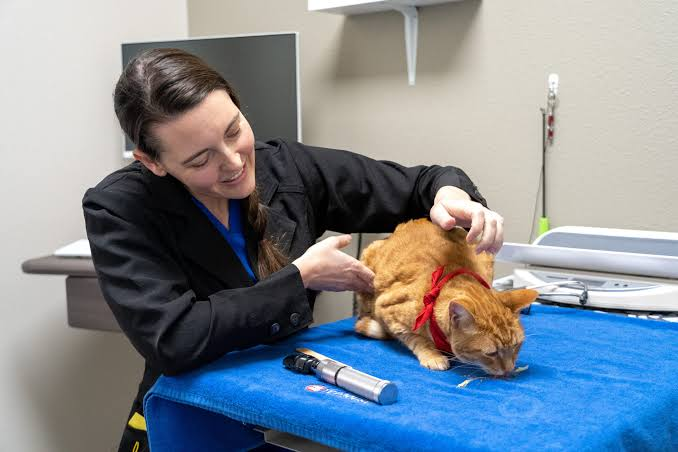
You might be trying to plan a breeding safely, or you may already be dealing with a missed heat cycle, infertility concerns, a difficult pregnancy, or a newborn litter that needs more care than you expected. That kind of pressure builds fast. Breeding decisions carry emotion, money, timing, and responsibility all at once, and when something feels off, waiting can make the situation harder. If you need experienced veterinary in Cloverdale, Surrey BC support, getting help early can make the situation easier to manage.
How Animal Hospitals Handle Reproductive And Breeding Care usually comes down to a few core jobs. They assess whether breeding is medically sound, they track fertility and timing, they protect the health of the pregnant animal and the litter, and they step in when labor or neonatal care becomes risky. Good care is not only about producing offspring. It is about preventing avoidable harm, spotting problems early, and helping you make decisions you can stand behind.
Animal hospitals evaluate breeding health before mating ever happens
Many breeding problems start long before pregnancy. A healthy looking animal can still have infections, poor semen quality, inherited conditions, hormone issues, or pelvic anatomy concerns that affect conception and delivery. That is why an animal hospital often begins with a full reproductive exam, lab testing, and a review of age, past litters, cycle history, and family health patterns.
If you have ever thought, “Everything seemed normal, so why did breeding fail,” this is usually where the answer starts to show up. Timing may have been off. Progesterone testing may have been skipped. A silent uterine infection may have reduced fertility. A male may have low motility or low sperm count without obvious signs at home. Those details matter because repeated unsuccessful breeding attempts cost money and increase stress on the animals involved.
Hospitals also help owners understand what responsible oversight looks like. Federal guidance around the duties of attending veterinarians and licensee responsibilities makes it clear that veterinary involvement is tied to animal welfare, not just paperwork. In settings where breeding is regulated, written veterinary oversight is part of doing things properly. The USDA also outlines what belongs in a written program of veterinary care, including preventive care, treatment plans, and monitoring.
Breeding care in veterinary hospitals covers timing, pregnancy, and delivery risks
Reproductive care for animals is rarely one appointment. It often includes estrus tracking, vaginal cytology, progesterone testing, semen evaluation, artificial insemination support when appropriate, pregnancy confirmation, ultrasound, X rays later in gestation, and planning for labor. If the pregnancy is high risk, the hospital may also monitor blood sugar, calcium, body condition, and signs of fetal distress.
This matters because breeding can turn from routine to urgent in a matter of hours. A mother may stop progressing in labor. A fetus may be too large. A singleton pregnancy can create timing problems. Newborns may struggle to nurse or maintain body temperature. Without a plan, owners end up making emergency decisions under pressure, often late at night, often after warning signs were missed.
Research support for animal reproduction programs reflects how much science sits behind fertility, pregnancy management, and neonatal survival. What looks simple from the outside often depends on careful hormone timing, genetics, nutrition, disease screening, and close observation.
Animal breeding services at a hospital reduce avoidable losses
Some owners try to manage breeding mostly at home to save money. That instinct is understandable. The trouble is that basic signs can be misleading. A standing heat does not always mean peak fertility. Mild discharge may not be harmless. Restlessness before labor can blend into early distress. By the time a crisis is obvious, treatment is usually more expensive and the risk is higher.
Animal breeding services through a hospital can lower those risks by replacing guesswork with timing, testing, and documented follow up. That does not guarantee pregnancy or a problem free delivery. It does give you a clearer picture of what is medically happening and what the next decision should be.
| Approach | What It Usually Includes | Main Benefit | Main Risk |
|---|---|---|---|
| Home managed breeding | Visual heat tracking, owner selected mating dates, limited monitoring | Lower upfront cost | Missed fertile window, unnoticed infection, delayed response to labor problems |
| Veterinary guided breeding | Reproductive exam, progesterone timing, semen evaluation, pregnancy checks | Better timing and earlier detection of problems | Higher upfront cost and more appointments |
| Hospital managed high risk pregnancy | Ongoing monitoring, imaging, delivery planning, emergency support | Improved safety for mother and offspring | Can become costly if advanced care or surgery is needed |
Practical steps make reproductive and breeding care more manageable
1. Schedule a pre breeding exam before making plans.
Do this before pairing animals, not after a failed attempt. Ask for a reproductive history review, infection screening, genetic concern discussion, and a clear timing plan. If a pregnancy would be high risk because of age, prior C section, breed traits, or chronic illness, you need that information upfront.
2. Get specific about timing and emergency thresholds.
Ask what signs mean normal progression and what signs mean you should call immediately. Know how long labor can safely stall, when a newborn is not thriving, and whether the hospital offers after hours support. Vague plans fail fast during breeding and whelping or queening.
3. Budget for more than the breeding itself.
Set aside funds for diagnostics, pregnancy monitoring, possible delivery support, and neonatal care. The breeding fee is often only one part of the cost. Financial strain is one reason people wait too long when complications start, and that delay can cost far more than an earlier visit.
Good animal hospital care protects both the breeding plan and the animals
The best outcome is not simply a successful mating. It is a healthy mother, viable offspring, and decisions made with enough medical guidance to avoid preventable suffering. If you are feeling overwhelmed, that reaction makes sense. Reproductive care moves quickly, and small choices early on shape what happens later.
Reach out to an animal hospital you trust and ask for a reproductive care consultation. Clear answers, a real monitoring plan, and prompt support can make this process safer and far less chaotic.