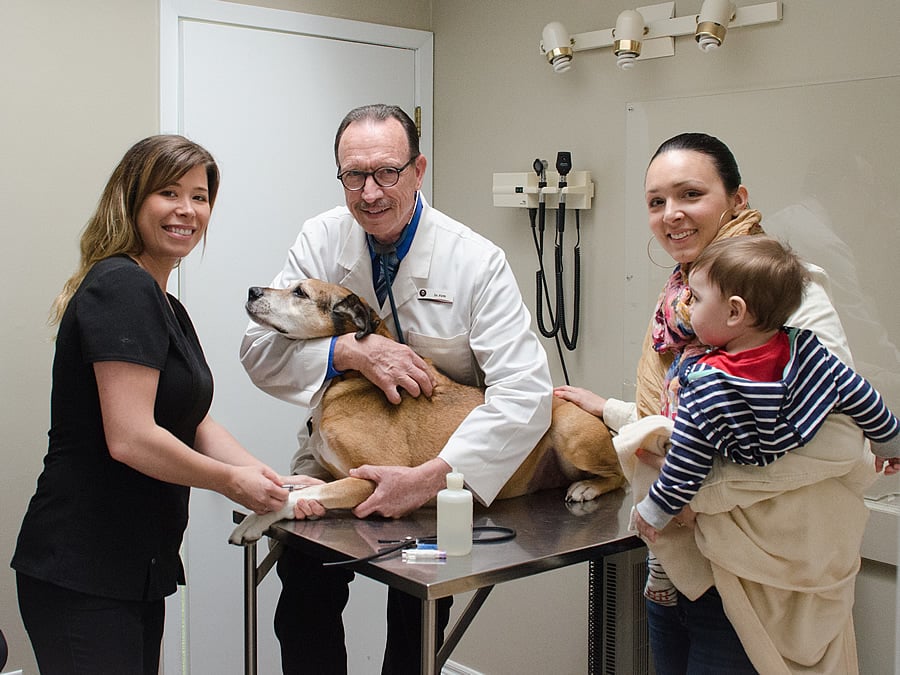


Your pet depends on you for protection. You want to keep them safe from pain, disease, and early death. Preventive care at an animal clinic in Strathroy, ON gives you a clear way to do that. You do not wait for a crisis. You act early. In this blog, you see five simple treatments that protect your pet’s body and mind. You learn what they are, when your pet needs them, and what happens if you skip them. You also see how these treatments work together to stop common threats like parasites, infections, and hidden illness. Each step is based on evidence and daily experience with dogs, cats, and other pets. By the end, you will know what to ask for at each visit and how often to go. You gain control. Your pet gains comfort and more years by your side.
1. Core and lifestyle vaccines
Vaccines train your pet’s body to fight germs before they cause harm. You see fewer emergencies. You also protect children, older adults, and people with weak immune systems in your home.
Core vaccines for dogs often include:
- Rabies
- Distemper
- Parvovirus
- Adenovirus
Core vaccines for cats often include:
- Rabies
- Panleukopenia
- Herpesvirus
- Calicivirus
Then your vet may suggest lifestyle vaccines. These depend on your pet’s risk. Examples include leptospirosis and Lyme for dogs that hike or camp, or feline leukemia for cats that go outdoors.
The U.S. Centers for Disease Control and Prevention shows that pet vaccines lower the risk of diseases that can pass from animals to people. You protect your whole home when you keep vaccines current.
2. Parasite prevention for fleas, ticks, and worms
Parasites cause constant itching, stomach trouble, blood loss, and disease. Many spread to people. You can prevent most of this with regular parasite control.
Your vet may use:
- Monthly chewable tablets
- Topical drops on the skin
- Yearly long acting injections for some parasites
Common targets are:
- Fleas
- Ticks
- Heartworm spread by mosquitoes
- Roundworms and hookworms
Tick control is especially important. Ticks carry Lyme disease and other infections that affect pets and people. The Public Health Agency of Canada warns that pets can bring ticks into homes. When you use preventives, you lower that risk.
3. Routine checkups and screening tests
A routine exam is more than a quick look. You give your vet time to find small changes before they grow into a crisis. Early detection often means simpler treatment and less cost.
A typical yearly visit may include:
- Full physical exam from nose to tail
- Weight check and body condition score
- Listening to heart and lungs
- Eye, ear, and mouth check
- Skin and coat check
- Discussion of behavior, eating, and bathroom habits
Screening tests may include:
- Blood work for organ function
- Urine test for kidney and bladder health
- Fecal test for worms and other parasites
- Heartworm test
Senior pets often need checkups every six months. Their bodies change faster. You catch silent problems like kidney disease or diabetes before your pet shows clear signs.
4. Dental cleanings and home mouth care
Dental disease hurts. Many pets eat through mouth pain. You may not notice the problem until it is severe. Routine cleanings stop infection from spreading to the heart, liver, and kidneys.
A full dental cleaning at the clinic often includes:
- Exam of every tooth and the gums
- Dental x rays to check roots
- Scaling to remove tartar above and below the gumline
- Polishing to smooth the tooth surface
- Extractions of teeth that cannot be saved
At home you support this by:
- Brushing your pet’s teeth as often as your vet suggests
- Using vet approved dental chews or rinses
- Avoiding hard objects that break teeth
Routine mouth care is more effective after treatment. You keep gums healthy and slow new tartar buildup.
5. Spay or neuter surgery
Spaying or neutering prevents unwanted litters. It also lowers the risk of several serious conditions. You give your pet a calmer, safer life.
Benefits often include:
- Lower risk of mammary tumors in female pets when done before the first heat
- No uterine infections that can kill unspayed females
- No testicular cancer in males
- Lower risk of roaming and fighting
- Less urine marking in many pets
Your vet will help you choose the best age. This may depend on species, breed, and health status.
Comparison of preventive treatments by age
You can use age as a simple guide. Your vet will adjust this plan for your pet’s health and lifestyle.
| Life stage | Vaccines | Parasite control | Checkups and tests | Dental care | Spay or neuter |
|---|---|---|---|---|---|
| Puppy or kitten(under 1 year) | Series every 3 to 4 weeksthen 1 year booster | Monthly flea, tick, and worm control | Every visit includes growth checksFecal test at least once | Home brushing trainingDental check during vaccines | Often between 4 and 12 monthsAs advised by vet |
| Adult(1 to 7 years) | Boosters every 1 to 3 yearsBased on vaccine type | Year round monthly preventives | Exam once a yearBasic blood work as advised | Daily or regular home careClinic cleaning as needed | Usually already doneIf not, discuss timing |
| Senior(over 7 years) | Keep current on core vaccines | Year round monthly preventives | Exam every 6 monthsBlood and urine tests yearly | More frequent cleaningsClose watch for oral pain | Discuss options if still intact |
How to prepare for your clinic visit
You can get more from each visit when you plan ahead. Before your appointment, you can:
- Write down questions about vaccines, parasites, and surgery
- Track eating, drinking, and bathroom changes
- Note any coughing, limping, or mood shifts
- Bring a fresh stool sample if requested
- List all foods, treats, and supplements
You and your vet share the same goal. You both want your pet to live with comfort and stability. When you follow a steady preventive plan, you cut down on fear, emergency visits, and sudden loss. You give your pet steady protection and a longer, safer life with you.
Apart from that, if you want to know more about 3 Signs It’s Time To Schedule A Veterinary Visit then visit our Pets category.