

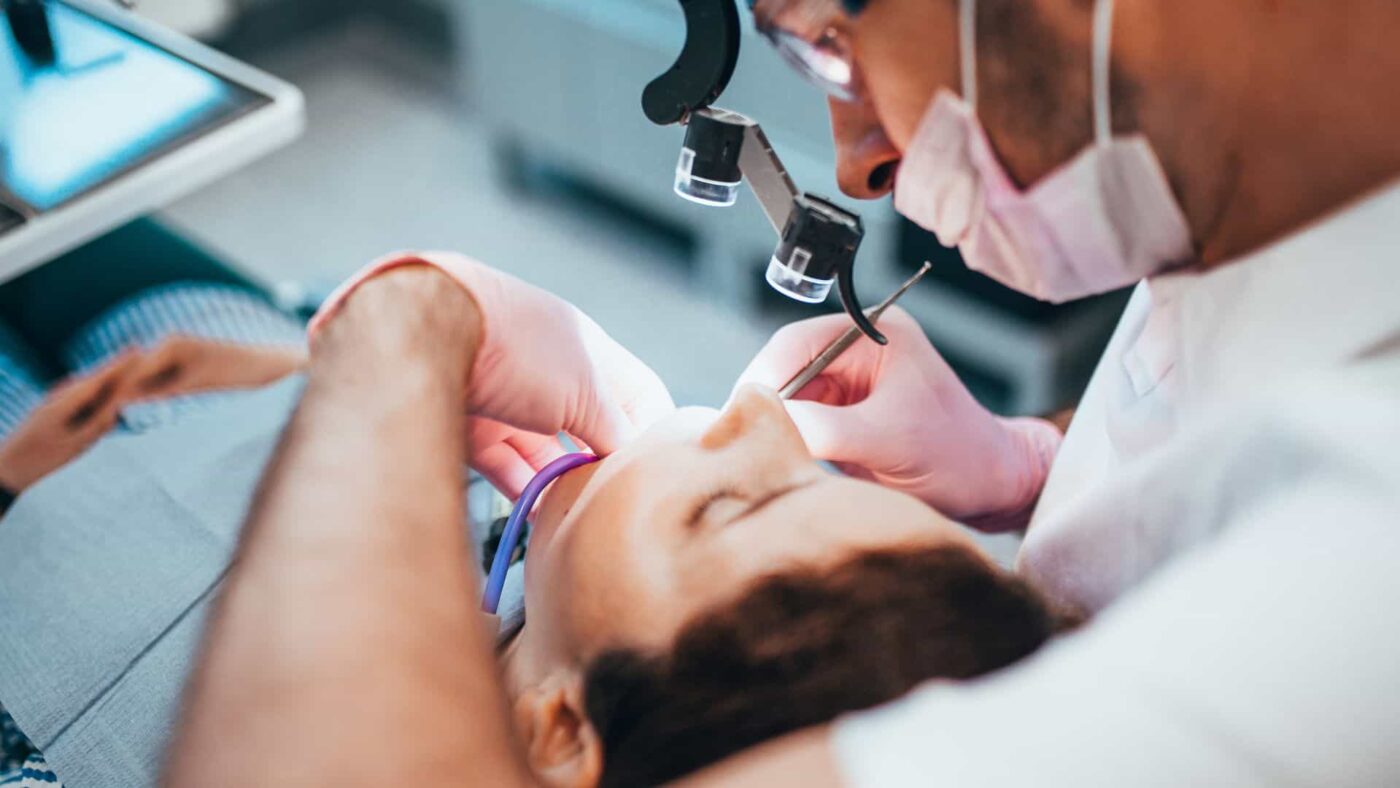
Advancements in general dentistry have made routine checkups faster, more comfortable and more precise. Digital X-rays, intraoral cameras, ultrasonic cleaning and tooth-colored materials let your dentist spot problems earlier, show you exactly what they see, and treat small issues before they turn into painful or expensive ones.
If your last clear memory of a dental visit involves film X-rays, long scraping and a hand mirror, a modern appointment can feel very different. Practices such as Orange family dental and many other general dentists now build these tools into everyday checkups. This guide walks through what happens at each stage of a modern visit, what the newer technology actually changes for you, and how to make the most of it.
What a Modern Checkup Looks Like
Most routine visits still follow the same basic structure: an examination, a professional cleaning, and a conversation about what was found and what comes next. What has changed is the quality of information collected at each step and how that information is shared with you.
- Health history update. Your dental team reviews medications, medical conditions and any new symptoms, since these can affect your gums, saliva and treatment options.
- Imaging when needed. Digital X-rays are taken at intervals your dentist sets based on your risk, not automatically at every visit.
- Examination. Your dentist checks teeth, gums, bite and soft tissues, often using an intraoral camera to capture close-up images.
- Gum measurements. The hygienist measures the pockets around your teeth to monitor gum health over time.
- Cleaning. Plaque and tartar are removed with a combination of ultrasonic and hand instruments, followed by polishing.
- Review and plan. Findings are shown on screen and you discuss options, priorities and timing.
Digital X-Rays and Imaging
Film X-rays needed chemical processing and took time to view. Digital sensors produce images on a monitor within seconds and generally require less radiation than traditional film for the same type of image. The images can be enlarged, adjusted for contrast and compared side by side with earlier scans.
For you, that means:
- Decay between teeth can be caught before it causes pain or is visible in the mirror.
- Bone levels around teeth can be tracked over years, which helps with early detection of gum disease.
- Fillings, crowns and implants can be planned with more accuracy.
- You can see the same image your dentist is looking at, which makes explanations easier to follow.
Some practices also use 3D cone-beam imaging for specific situations such as implant planning or complex root anatomy. It is not part of a standard checkup, but it shows how imaging has expanded what a general dentist can assess.
Intraoral Cameras and Clearer Explanations
An intraoral camera is a pen-sized device that captures magnified photos and video of individual teeth. The images appear on a screen beside your chair, so you can see cracks, worn fillings, stains and gum inflammation up close.
- You understand why a filling or crown is being recommended instead of taking it on trust.
- You can see the spots your brushing and flossing are missing.
- Stored photos let your dentist compare a worn area or small crack from one visit to the next and decide whether it is stable or changing.
- Images can support insurance documentation where a plan asks for evidence of need.
Gentler, More Thorough Cleanings
Hand scaling still has a role, especially for fine detail work. Many hygienists now start with an ultrasonic scaler, which uses rapid vibrations and a water spray to break up hardened tartar and flush debris from below the gumline.
Patients often notice shorter cleaning times, less scraping pressure on sensitive areas, and better access to deeper pockets. If you find the vibration or water uncomfortable, tell your hygienist; settings can usually be adjusted, and topical numbing gel is an option for tender spots.
Your cleaning may finish with a preventive step such as a fluoride varnish. Our guide to fluoride treatments in general dentistry explains who benefits most and how often it is typically applied.
Stronger, More Natural-Looking Materials
Metal amalgam fillings and metal-based crowns worked well for decades, but they are visible and often required removing more healthy tooth structure to hold them in place. Modern restorative materials bond directly to the tooth and are matched to its color.
| Material | Common use | Main advantages | Things to ask about |
|---|---|---|---|
| Composite resin | Small to medium fillings, bonding chips | Tooth-colored; bonds to enamel; often less drilling | How long it typically lasts in your bite; staining risk |
| Ceramic or porcelain | Crowns, onlays, veneers | Natural appearance; durable; stain-resistant | Cost; suitability for heavy grinders |
| Zirconia | Crowns, especially back teeth | Very strong; tooth-colored options | Appearance compared with porcelain on front teeth |
| Glass ionomer | Small fillings, children’s teeth, root surfaces | Releases fluoride; useful in certain areas | Less wear-resistant than composite |
The best choice depends on the size and location of the repair, your bite, your budget and your dental insurance. A good dentist will explain the trade-offs rather than default to one option.
Digital Scans and Same-Day Crowns
Many practices have replaced traditional putty impressions with digital intraoral scanners. A small wand captures a 3D model of your teeth in a few minutes, which is more comfortable for anyone with a strong gag reflex.
Some offices go further with in-office milling. Your dentist prepares the tooth, scans it, designs the crown on a computer and mills it from a ceramic block in the same appointment. That can remove the need for a temporary crown and a second visit. Where a dental lab is still used, digital scans are typically sent electronically and often produce a more accurate fit that needs fewer adjustments.
How Old and New Checkups Compare
| Checkup step | Traditional method | Modern method | What you gain |
|---|---|---|---|
| X-rays | Film images, longer processing | Digital images viewed in seconds, generally lower radiation | Faster answers and a shared view on screen |
| Exam | Hand mirror, limited view for the patient | Intraoral camera with close-up photos | Clear evidence of problems and better trust |
| Cleaning | Mainly hand scraping | Ultrasonic scaler plus hand tools | Shorter visit and less strain on teeth and gums |
| Fillings | Silver amalgam | Tooth-colored resin or ceramic | Natural look, strong bond, often less drilling |
| Crowns | Putty impressions and two visits | Digital scans, sometimes same-day crowns | Fewer visits and a more precise fit |
Comfort for Children, Older Adults and Anxious Patients
Fear of the dentist is common, and modern practices increasingly plan for it. Options you can ask about include:
- Smaller X-ray sensors and cameras designed for children’s mouths.
- Topical numbing gel before injections or deep cleaning.
- Longer appointment slots, breaks on request and a hand signal to pause.
- Quieter rooms and slower pacing for people with dementia, sensory sensitivities or anxiety.
- Sedation options for more involved procedures, discussed in advance with your dentist.
The National Institute of Dental and Craniofacial Research publishes plain-language information for parents, older adults and caregivers about oral health and routine care.
How to Prepare for a Modern Checkup
You get more from the technology when you arrive with the right information. Before your visit, note:
- Any pain, sensitivity or bleeding, and when it started.
- All medications and supplements you take, including recent changes.
- Any medical updates, such as pregnancy, diabetes or heart conditions.
- Concerns about cost, insurance coverage or anxiety.
During the visit, ask three direct questions about anything that is found:
- What exactly do you see, and can you show me on the screen?
- What are my options, and how do they compare in cost and lifespan?
- What is likely to happen if I wait?
Understanding your own mouth is one of the most effective preventive tools there is. For more on that, read why patient education is key to preventive dental success.
Common Mistakes Patients Make
- Skipping checkups when nothing hurts. Many problems, including early decay and gum disease, cause no pain until they are advanced.
- Declining X-rays without discussing risk. Ask how often your dentist recommends them for you and why.
- Not asking to see the images. If a treatment is recommended, it is reasonable to ask to see the evidence.
- Choosing on price alone. A cheaper material that needs replacing sooner may cost more over time.
FAQs
How often should I have a dental checkup?
Many people are seen every six months, but the right interval depends on your risk of decay and gum disease. Your dentist may recommend more frequent visits if you have active gum problems, or less frequent ones if your mouth has been stable for years.
Are digital dental X-rays safe?
Digital X-rays generally use less radiation than traditional film for the same type of image, and dentists take them only when they are needed for diagnosis. Tell your dentist if you are pregnant or have concerns, so they can adjust the plan.
What is an intraoral camera used for?
It captures magnified photos of individual teeth and gums and displays them on a screen. This helps your dentist document problems, track changes over time and show you exactly why a treatment is being recommended.
Are tooth-colored fillings as strong as metal fillings?
Modern composite and ceramic materials are durable for many situations, and they bond directly to the tooth. In some high-pressure areas or very large fillings, your dentist may suggest a different option. Ask how long each choice is expected to last in your bite.
Can I get a crown in one day?
Some practices have in-office scanners and milling machines that make same-day crowns possible. Not every case is suitable, and many offices still use a dental lab. Your dentist can tell you which approach fits your tooth.
Bottom Line
Modern general dentistry gives you earlier warnings, clearer explanations and gentler treatment than a checkup did a generation ago. The most valuable step is still the simplest: keep your regular appointments, ask to see what your dentist sees, and talk through your options before agreeing to treatment. If you have pain, swelling or bleeding gums, contact a licensed dentist promptly rather than waiting for your next routine visit. For more oral and general wellness guides, browse our Health category.