
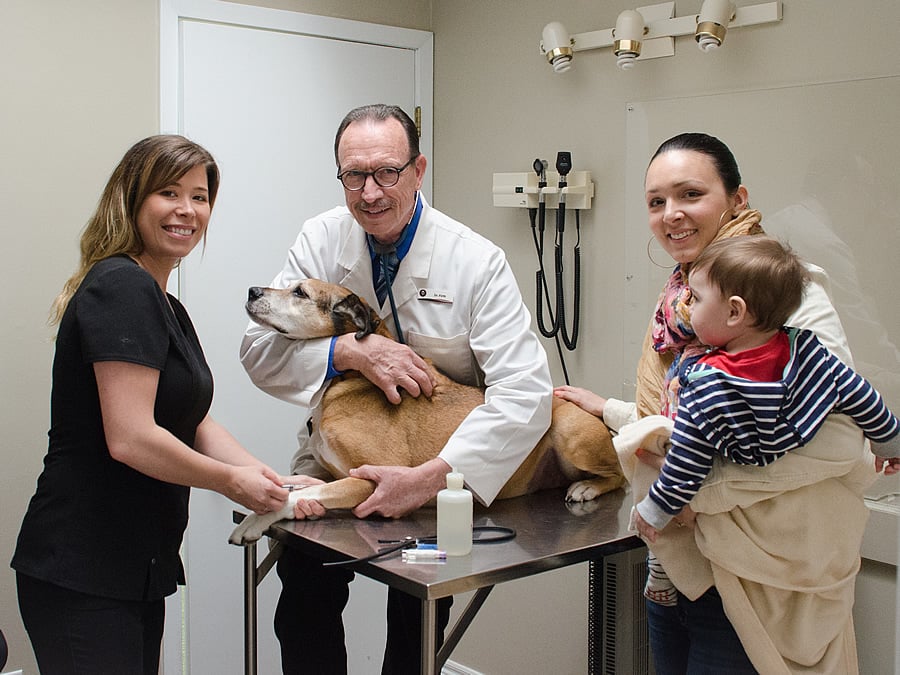
You want your pet to stay safe. Regular checkups at veterinary hospitals are one of the strongest tools you have. A routine visit can uncover problems early, before they turn into pain, emergency surgery, or loss. During these checkups, a Lansing veterinarian can spot small changes in weight, breathing, teeth, skin, or behavior. These details often point to heart disease, diabetes, infection, or cancer. Early care can add years to your pet’s life. It can also spare you hard choices and high bills. Many pets hide pain. You may not notice anything is wrong until the problem is severe. Regular exams, blood tests, and vaccines create a safety net. They also build a record that helps your vet see patterns over time. You are not being overprotective. You are giving your pet a real chance to survive sickness and grow old with you.
Why Pets Need Checkups Even When They Look Fine
You see your pet every day. You notice the big changes. You see limping, vomiting, or refusal to eat. You do not always see slow changes. A one pound weight change in a small dog can signal heart disease. A small shift in thirst can signal kidney trouble. A slight change in breath smell can signal mouth infection.
Pets also hide weakness. In the wild, a weak animal becomes a target. That pattern continues in your home. Your pet may still play, eat, and cuddle while a serious disease grows inside. A checkup gives your vet a chance to catch silent disease before it breaks your routine and your heart.
What Happens During a Regular Veterinary Checkup
A checkup is more than a quick look. It is a full review of your pet’s body and daily life. During a visit, your vet will usually:
- Ask about eating, drinking, bathroom habits, sleep, and behavior
- Check weight, body shape, and body condition score
- Listen to the heart and lungs
- Look at eyes, ears, teeth, and gums
- Check skin, coat, and paws
- Feel the belly for lumps or pain
- Review vaccines and parasite prevention
For some pets, the vet may also suggest blood tests, urine tests, or stool tests. According to the American Veterinary Medical Association, weight control and early care can reduce the risk of many chronic diseases. Routine tests help your vet see trouble early and guide changes in food, medicine, or activity.
How Often You Should Schedule Checkups
The right schedule depends on age and health. You can use three simple groups.
- Puppies and kittens need visits every 3 to 4 weeks until vaccines are complete
- Healthy adult pets usually need at least one full exam every year
- Senior pets often need exams every 6 months and regular lab tests
The Centers for Disease Control and Prevention notes that healthy pets also protect people from some diseases that pass between animals and humans. Regular checkups help keep your whole household safer.
Regular Checkups vs Waiting for an Emergency
Many families wait until something looks wrong. That choice feels easier in the moment. It often leads to fear, rushed decisions, and higher bills later. Routine care spreads costs out and gives you time to think.
The table below shows a simple comparison.
| Type of care | When it happens | Common examples | Typical impact on your pet | Typical impact on your budget |
|---|---|---|---|---|
| Regular checkups | Planned once or twice a year | Annual exam, vaccines, blood work, dental check | Higher chance of early diagnosis and steady comfort | Predictable smaller bills over time |
| Waiting for problems | Only when signs are severe | Emergency visit, urgent surgery, intensive care | Higher risk of pain, lasting damage, or loss | Large sudden bills and fewer choices |
You cannot prevent every emergency. You can reduce the risk. Regular checkups keep small issues from turning into crises. They also give your vet a history to use when an emergency does happen. That history can guide faster and safer treatment.
Hidden Problems Checkups Often Catch Early
Many life threatening problems start small. Your vet may find:
- Dental disease that causes infection, heart strain, and pain
- Heart murmurs that signal early heart disease
- Kidney or liver changes that show up first in blood tests
- Thyroid problems that affect weight and energy
- Lumps or bumps that could be cancer while still easy to remove
- Arthritis that can be eased with simple changes
- Parasites such as fleas, ticks, and worms that drain strength
Each of these problems is easier to treat when found early. That means less pain for your pet and more control for you.
How Regular Checkups Extend Your Pet’s Life
Regular checkups support three basic goals.
First, they prevent disease. Vaccines, parasite control, and weight checks stop many problems before they start.
Second, they catch disease early. Early heart disease or kidney disease can often be slowed. Your pet may gain months or years of steady life.
Third, they support daily comfort. Pain control, diet changes, and skin care help your pet enjoy each day. A longer life matters when those extra days feel calm and safe.
Preparing for Each Visit
You can help your vet give better care. Before each checkup, you can:
- Write down any changes you noticed in eating, drinking, or bathroom habits
- Note behavior changes such as hiding, snapping, or sleeping more
- List all foods, treats, and supplements
- Bring records from other clinics if your pet was seen elsewhere
- Prepare three questions you want answered during the visit
This simple plan keeps the visit focused. It also helps you remember what to ask when emotions rise in the exam room.
Taking the Next Step for Your Pet
You cannot control every illness. You can control how early it is found and how much your pet must suffer. Regular checkups at veterinary hospitals give your pet a stronger chance to survive disease and stay close to you longer. You protect your pet when you treat checkups as a basic need, not a luxury.
If it has been more than a year since your pet’s last exam, schedule a visit now. If your pet is older or has a known condition, ask for a plan that includes more frequent exams and lab tests. Your action today can become the reason your pet is still by your side years from now.
If you want to know more about Why Veterinary Record Keeping Improves Long Term Care, then visit our Pets category.