
When your pet needs medical care, you want to know what will happen and why. Many visits to a veterinary hospital lead to the same four core procedures. These include exams, vaccines, dental work, and surgery. Each one serves a clear purpose. Each one can protect your pet from pain, infection, or sudden crisis. You do not need medical training to understand these steps. You only need clear facts and honest guidance. A Massachusetts veterinarian uses these procedures every day to spot early warning signs, treat problems, and prevent new ones. When you know what to expect, you can ask better questions. You can plan ahead for cost, time, and recovery. You can also notice changes at home before they grow into emergencies. That awareness gives you more control and gives your pet a stronger chance at a safe, steady life.
1. Routine Exams: The Checkup That Buys You Time
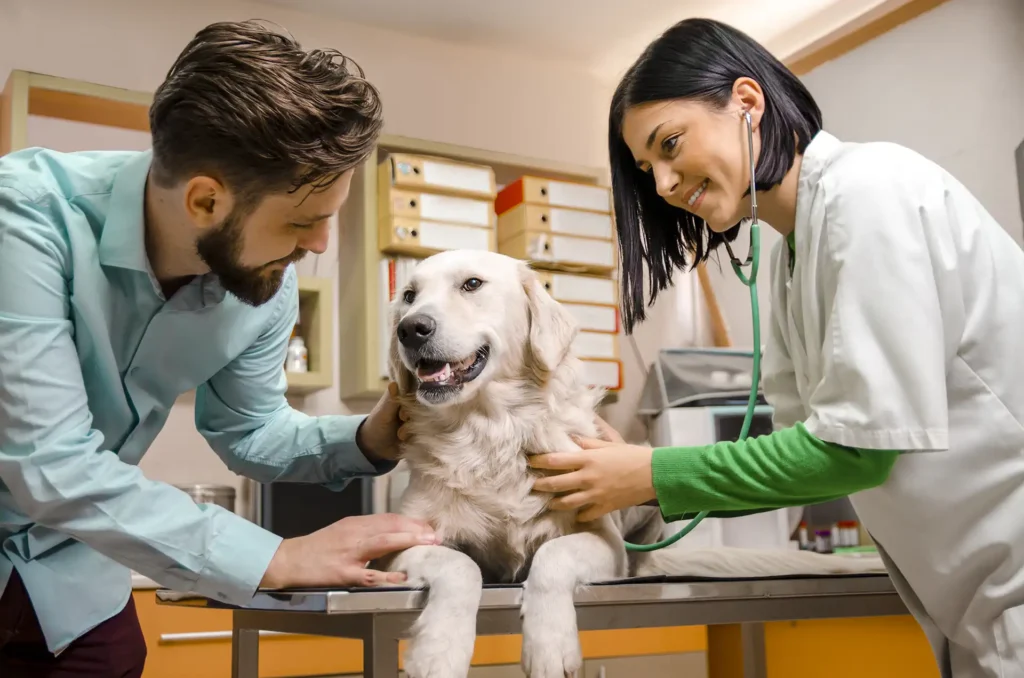
Routine exams are the most common procedure. They are also the one you should never skip. During an exam, the veterinarian checks your pet from nose to tail. You hear the results in plain words. You gain time to act before a small issue turns into a crisis.
In a standard exam, the team will usually:
- Ask about appetite, energy, bathroom habits, and behavior
- Check weight and body condition
- Listen to the heart and lungs
- Examine eyes, ears, skin, and mouth
- Feel the abdomen and joints
The veterinarian may also suggest screening tests. These can include blood work, urine tests, and heartworm checks. The American Veterinary Medical Association explains that regular exams help catch disease early, when treatment is easier on your pet and your budget.
You should expect at least one exam each year. Older pets or pets with chronic disease may need more frequent visits. These exams build a record of what is normal for your pet. That record helps the veterinarian spot change fast.
2. Vaccines: Quiet Shots, Powerful Protection
Vaccines are quick procedures that guard your pet against certain infections. You see only a small needle. You do not see the deep damage that these infections can cause without that protection.
During a vaccine visit, the team will:
- Review your pet’s age, lifestyle, and past reactions
- Explain which vaccines are required by law, such as rabies
- Give injections under the skin or into the muscle
- Record dates, brands, and booster due dates
The Centers for Disease Control and Prevention stresses that rabies vaccination protects both pets and people. Other vaccines, such as those for parvovirus in dogs or panleukopenia in cats, reduce risk of sudden, severe illness.
After vaccines, you may see mild soreness or tiredness. You should call the veterinarian at once if you see swelling of the face, trouble breathing, or collapse. Those signs are rare but serious. You should keep your pet calm and watchful for the rest of the day.
3. Dental Procedures: Cleaning That Reaches Below the Gumline
Dental care in a hospital is different from brushing at home. A full cleaning needs anesthesia. That step allows the veterinarian to clean under the gums, take x rays, and remove diseased teeth without fear or pain for your pet.
A typical dental procedure includes:
- Pre anesthetic exam and blood work
- Anesthesia and careful monitoring
- Scaling to remove plaque and tartar above and below the gumline
- Polishing to smooth tooth surfaces
- X rays to check roots and bone
- Extractions if teeth are loose, broken, or infected
You may worry about anesthesia. That concern is understandable. The team will use screening tests and monitors to reduce risk. The danger of untreated dental disease is often higher than the risk of the procedure. Infected teeth can spread bacteria to the heart, liver, and kidneys. Bad breath is only the first sign.
At home, you can support dental health by brushing, using approved dental chews, and watching for red gums, drooling, or changes in chewing. You should not use human toothpaste on pets.
4. Surgery: From Spay and Neuter to Emergency Care
Surgery sounds frightening. It is also a common and often planned procedure. Many pets have surgery for spay or neuter. Others need mass removal, wound repair, or emergency treatment. Each surgery follows a careful process meant to lower risk and improve comfort.
Most surgeries include three stages.
Before surgery you can expect:
- A physical exam and review of your pet’s history
- Blood tests to check organs and blood counts
- Fasting instructions and drop off time
During surgery the team will:
- Give anesthesia and pain relief
- Monitor heart rate, breathing, and temperature
- Perform the planned procedure and control bleeding
After surgery the team will:
- Watch your pet during recovery
- Send home pain medications and written instructions
- Schedule a recheck or suture removal
You can support healing by using an e collar if given, limiting running and jumping, and keeping the incision clean and dry. You should call right away if you see swelling, discharge, or if your pet seems dull or refuses food.
Comparison of the Four Common Procedures
| Procedure | Main Purpose | How Often | Uses Anesthesia | Typical Visit Length |
|---|---|---|---|---|
| Routine exam | Find early signs of disease | Once a year or more | No | 20 to 40 minutes |
| Vaccines | Prevent specific infections | Every 1 to 3 years, depending on vaccine | No | 15 to 30 minutes |
| Dental procedure | Remove plaque, treat dental disease | Every 1 to 3 years, based on need | Yes | Half day or more |
| Surgery | Treat specific condition or prevent litters | As needed, often once for spay or neuter | Yes | Half day or more |
How You Can Prepare For These Procedures
You play a direct role in how smoothly these procedures go.
Before any visit you can:
- Write down questions and concerns
- Bring a list of medications and supplements
- Record recent changes in eating, drinking, or behavior
For anesthesia or surgery you should:
- Follow fasting instructions exactly
- Arrange quiet space at home for recovery
- Plan time off work if your pet needs close watching
After the visit you should:
- Give medications as directed
- Use any protective collar or leash restrictions
- Call if something feels wrong, even if you are not sure
Closing Thoughts
Exams, vaccines, dental procedures, and surgery sit at the core of modern veterinary care. When you understand these four procedures, you move from fear to informed choice. You stop feeling helpless and start acting as a steady partner in your pet’s care. That partnership gives your pet a safer, calmer life and gives you fewer nights filled with worry.
Apart from that, if you want to know more about Spaying And Neutering: What Pet Owners Need To Know then visit our Pets category.