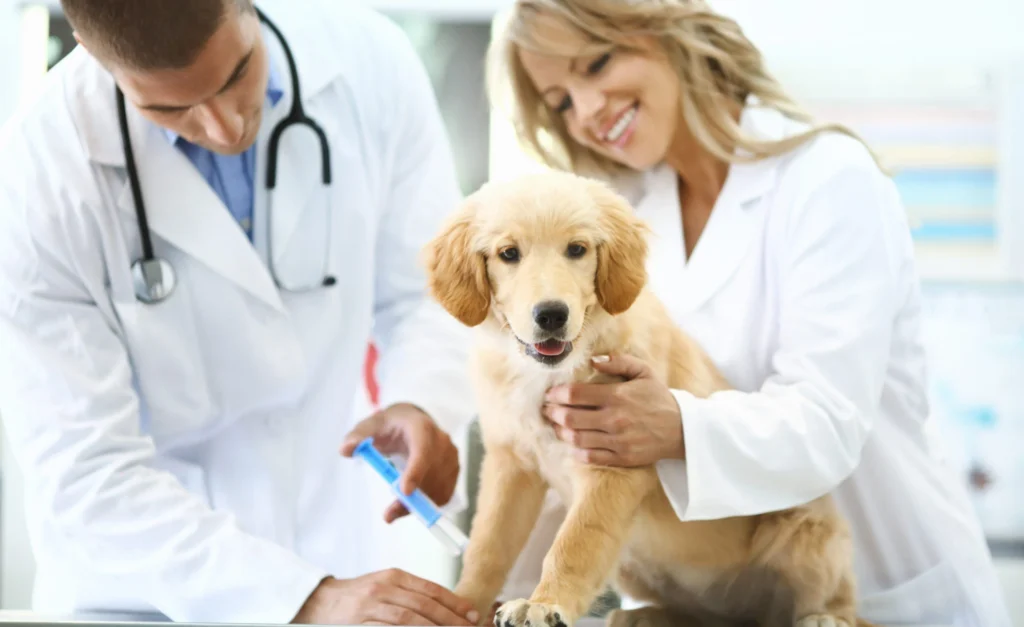

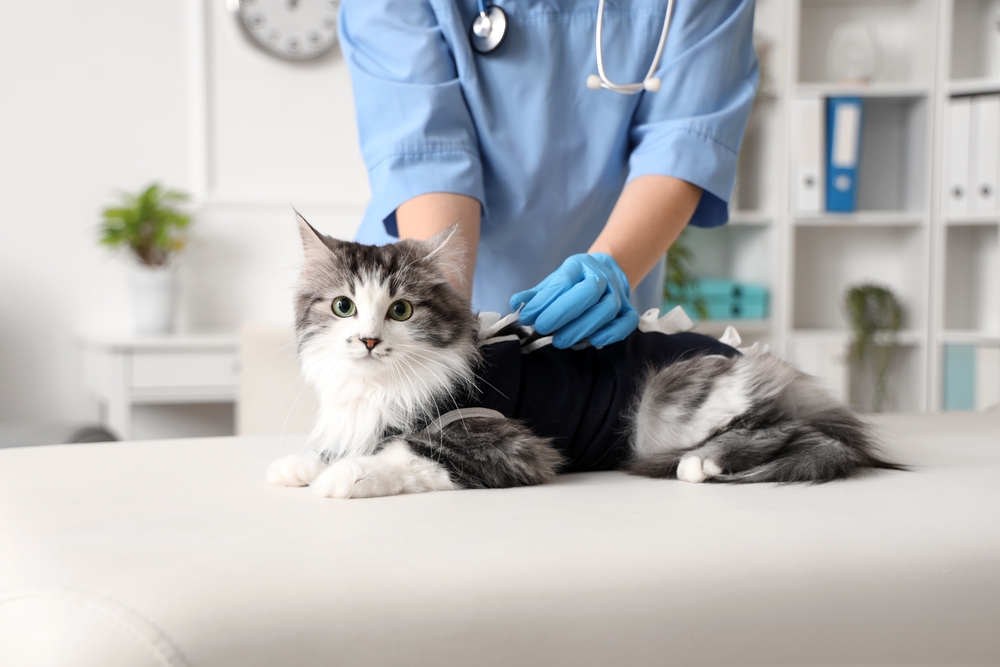
You might be feeling that quiet pressure every pet owner knows. Your dog seems a little slower on walks, your cat is hiding more than usual, or maybe nothing is wrong at all and that is what makes the choice harder. When your pet cannot tell you what hurts, picking the right place for care can feel like a heavy decision. And once you have seen how quickly a small issue can turn into a late night emergency, you start to understand that choosing Niagara falls ON veterinary care now can shape your pet’s health for years.
The short version is simple. The right animal hospital does more than treat illness. It helps catch problems early, guides you on prevention, keeps records that show patterns over time, and gives your pet a better chance at a longer, healthier life. That is the heart of why choosing the right animal hospital improves pet longevity.
Why does the right animal hospital matter so much over a pet’s lifetime?
It is easy to think all clinics offer the same basic care, especially when your pet seems healthy. But there is a real difference between getting occasional treatment and building a long term care plan. A strong hospital team watches for subtle changes in weight, teeth, skin, mobility, appetite, and behavior. Those details matter because many conditions, from dental disease to diabetes, start small and grow quietly.
When those signs are missed, the cost is not only financial. It can mean more pain for your pet, more stress for you, and fewer treatment options later. On the other hand, a trusted hospital can spot early warning signs during routine exams, recommend vaccines and parasite prevention, and help you make informed choices based on your pet’s age, breed, and lifestyle.
If you have ever wondered whether regular checkups really make a difference, the answer is yes. Preventive care supports both quality of life and lifespan. The CDC’s guidance on healthy pets and animals also highlights how routine care, hygiene, and prevention protect both pets and the people who love them.
What can go wrong when pet medical care is inconsistent?
This is where things often get more complicated. Many owners delay visits because life gets busy, money feels tight, or the pet seems fine. That is understandable. But pets age faster than people do, which means a year without care can cover a lot of physical change.
Imagine a dog with mild gum disease. At first, it may only cause bad breath. Left untreated, it can lead to pain, tooth loss, and infection. Or think about a senior cat losing weight slowly over a few months. Without regular exams and bloodwork, kidney disease may not be found until it is advanced. These are the kinds of issues a good hospital is trained to catch before they become much harder to manage.
Because of this, selecting the best veterinary hospital is not just about convenience. It is about continuity. A team that knows your pet’s baseline can notice when something changes. They can compare current findings to past visits, which often leads to earlier treatment and better outcomes.
You may also want a hospital that helps you understand public health concerns. The CDC’s page about healthy pets explains how veterinary guidance helps reduce risks tied to bites, parasites, and diseases that can spread between animals and humans.
How does a strong animal hospital support longer, healthier lives?
A good hospital supports longevity in ways that are easy to overlook at first. It starts with preventive exams, but it does not end there. Nutrition advice, dental care, lab testing, senior screenings, vaccine schedules, and behavior guidance all work together. This kind of support is especially important because pets often hide pain well.
For dogs, that guidance can be very specific. The CDC offers practical information about healthy dogs, including prevention habits that help owners keep their animals safe and well. When a hospital reinforces those habits and tailors them to your dog’s age and risk factors, you get care that is proactive instead of reactive.
So, where does that leave you? It means the right provider of pet medical care becomes a partner in your pet’s life, not just a place you visit when something goes wrong. That relationship often leads to faster answers, less fear during visits, and a care plan that evolves as your pet ages.
What should you compare when choosing an animal hospital?
Not every hospital will be the right fit, and that is okay. What matters is knowing what to look for beyond price or distance alone. A clear comparison can help.
| What to Compare | Basic Option | Stronger Long Term Option | Why It Affects Longevity |
|---|---|---|---|
| Preventive exams | Only sick visits | Routine wellness scheduling | Finds disease earlier, often before symptoms are obvious |
| Diagnostics | Limited testing | Access to bloodwork, imaging, and dental evaluation | Leads to faster diagnosis and earlier treatment |
| Continuity of care | No consistent record review | Ongoing history tracking and follow up | Helps spot patterns in weight, labs, and behavior over time |
| Communication | Rushed explanations | Clear guidance and care planning | Improves home care, medication use, and follow through |
| Senior pet support | General advice only | Age based screening and pain management | Supports comfort, mobility, and disease management in later years |
What can you do right now to choose wisely?
1. Look beyond emergencies. Ask how the hospital handles wellness care, dental checks, lab screening, and senior pet monitoring. A clinic that only solves urgent problems may not give your pet the best path to a longer life.
2. Pay attention to communication. During your first call or visit, notice whether the team listens, explains options clearly, and respects your concerns. Good care is not only medical. It also helps you feel steady enough to make sound choices.
3. Ask about continuity. Find out how records are tracked, how follow ups work, and whether the team builds care plans over time. A hospital that knows your pet well can respond faster when something changes.
What does all of this mean for your pet going forward?
The right animal hospital cannot promise a certain number of years, but it can give your pet a stronger chance at more good years. That matters. It means more comfortable mornings, more energy, fewer avoidable crises, and more time with the companion who depends on you.
If you are weighing your options, trust that this choice is worth your time. A thoughtful decision now can shape your pet’s health long after the first appointment. When you are ready, take the next step and schedule a visit with an animal hospital that treats prevention, partnership, and long term care as part of the same promise.
Apart from that, if you want to know about The Growing Importance of Animal Hospitals in Urban Communities then please visit our Pets category.