

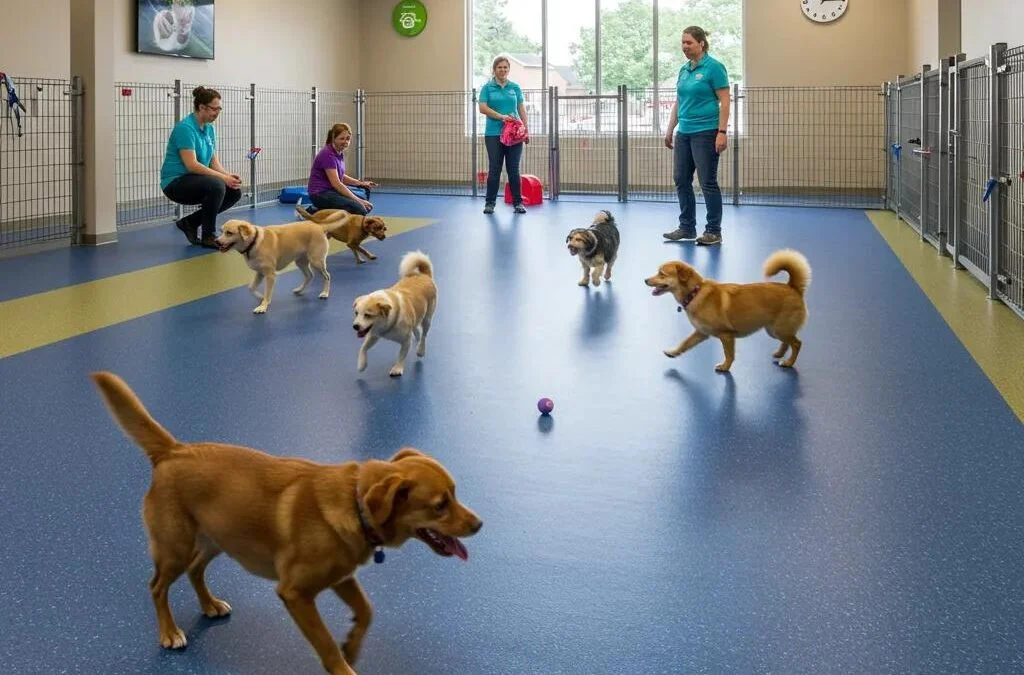
You might not think much about an animal hospital until something changes. Maybe your dog stops eating, your cat starts hiding, or a small limp turns into a bigger worry by the end of the day. Before that moment, pet care can feel simple. Food, walks, play, routine checkups. After that moment, it can feel heavy fast, because now you are trying to make the right call for a family member who cannot explain what hurts. That is where a trusted animal hospital in Devonshire matters. They do far more than treat emergencies. They help with prevention, diagnosis, long term care, and the quiet peace of knowing you have support when things stop feeling normal.
Modern pet care asks more of owners than it used to. Pets are living longer, treatments are more advanced, and the choices in front of you can feel larger than expected. Because of that, the role of an animal hospital has grown too. It is not just a place for shots or sudden illness. It is a partner in helping your pet stay healthy, recover well, and age with comfort.
Why do animal hospitals matter so much when pet care gets complicated?
When your pet is healthy, it is easy to assume routine care is enough. Then real life steps in. A skin problem does not clear up. A cough lingers. A senior pet starts drinking more water than usual. These changes can look small at first, yet they may point to issues that need medical testing, imaging, or a treatment plan that goes beyond what a basic visit can offer.
This is where the role of animal hospitals in modern pet care becomes clear. Animal hospitals bring together preventive care, diagnostics, surgery, dental services, and follow up support in one setting. That matters because pet health is rarely one single issue. A dental infection can affect eating. Weight gain can affect joints. Anxiety can affect sleep, appetite, and behavior. Good care connects the dots instead of treating each symptom in isolation.
If you have ever felt unsure about when to wait and when to act, you are not alone. Many owners wrestle with the same question. Is this serious, or am I overreacting? The truth is that early evaluation often prevents bigger problems later. The CDC healthy pets guidance also reminds owners that regular veterinary care protects both pets and people, especially when it comes to disease prevention and safe daily habits.
What does a modern animal hospital actually provide beyond basic pet visits?
The old view of pet care was often reactive. You went in when something was wrong. Today, a modern pet hospital often works more like a full care hub. That may include wellness exams, vaccines, lab work, imaging, nutritional guidance, dental care, surgery, and support for chronic conditions like arthritis, diabetes, or kidney disease.
Why does that broader model matter? Because pets cannot tell you where the pain started or how long they have been feeling off. A hospital setting gives your care team more tools to find answers sooner. Teaching hospitals and specialty centers, such as the resources shared by NC State Veterinary Hospital, also show how advanced care can support complex cases that need deeper investigation or referral.
For many families, primary care is still the foundation. Services like those outlined by Ohio State companion animal primary care reflect how routine exams, preventive screening, and ongoing monitoring help catch changes before they turn into emergencies. In other words, the strongest care often starts long before a crisis.
How do cost, stress, and timing shape decisions about an animal hospital?
This is often the hardest part. You want to do what is right, but you may also be balancing work, family schedules, and a budget that does not stretch as far as you wish it did. That tension is real. Waiting can feel easier in the moment, yet delay can lead to more pain for your pet and higher costs later if the condition worsens.
Think about a dog with repeated ear infections. If treated early, the problem may need an exam, cleaning, and medication. If ignored, it can become a deeper infection with more visits, more discomfort, and a longer recovery. The same pattern can happen with dental disease, urinary issues, skin allergies, or mobility changes in older pets. A trusted animal hospital helps you sort out urgency, explain options clearly, and build a plan that fits the situation in front of you.
What practical differences should you weigh in modern pet care?
Sometimes it helps to see the choices side by side, especially when you are deciding whether a concern can wait or needs professional attention.
| Pet Care Situation | Home Monitoring Only | Animal Hospital Support |
|---|---|---|
| Mild change in appetite | May miss early signs of pain, infection, or digestive trouble | Exam and testing can uncover the cause before it worsens |
| Dental odor or visible tartar | Problem often progresses below the gum line | Dental assessment can address pain, infection, and tooth damage |
| Limping or stiffness | Rest may help, but hidden joint or soft tissue injury can continue | Evaluation can guide pain relief, imaging, and recovery steps |
| Chronic issues like diabetes or kidney disease | Symptoms may fluctuate without clear direction | Ongoing monitoring helps adjust treatment and improve quality of life |
So what can you do right now if you want better care for your pet?
1. Build a care baseline. Schedule regular exams, even when your pet seems fine. Baseline weight, lab values, behavior, and appetite patterns make it easier to spot change early. This is one of the most useful parts of veterinary hospital care, because it turns guesswork into comparison.
2. Track small changes before they become big ones. Write down shifts in eating, thirst, sleep, bathroom habits, mobility, or mood. A short note on your phone can help more than memory when you are describing symptoms later. Details give your care team a clearer picture.
3. Know where you will go before you need help. Find an animal hospital you trust for wellness visits, urgent concerns, and ongoing treatment. When stress is high, having a plan already in place can save time and reduce panic for you and your pet.
Where does that leave you and your pet now?
Pet care has changed, and in many ways that is a good thing. You have more tools, more knowledge, and more ways to support a pet through every stage of life. Still, more options can also bring more pressure. The good news is that the right animal hospital does not add to that burden. It helps carry it. It gives you a place to ask questions, catch problems early, and make thoughtful choices when your pet needs more than basic care.
If your pet has been showing signs that something is off, or if it has simply been a while since the last checkup, now is a good time to schedule a visit with an animal hospital and get clear on the next step.
Apart from that, if you want to know more about The Role of Veterinary Technicians in Hospital Care then visit our Pets category.