

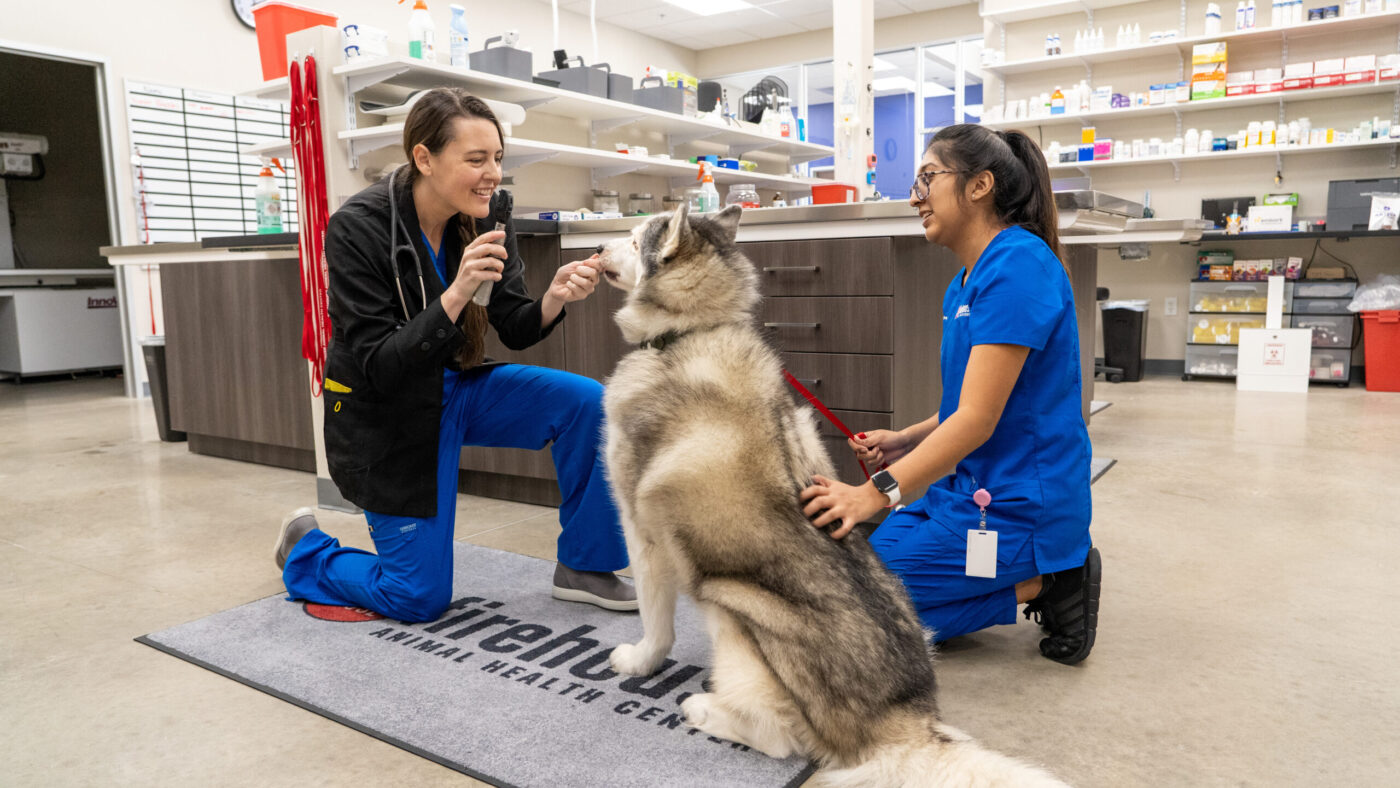
You want to do right by your pet, and sometimes that means sorting through a lot of mixed messages, especially when you’re trying to choose the right veterinarian in Ajax, Ontario. One person says annual shots are enough. Another says your dog or cat needs a long list of vaccines, lab work, parasite checks, dental care, and follow up visits. Add the cost, your schedule, and the fear of missing something serious, and it can feel like too much.
That stress makes sense. Preventive care at an animal hospital is not just about shots. It is a plan for keeping your pet healthy before a problem turns into an emergency. Vaccinations protect against diseases that spread fast and can be severe. Routine exams help catch pain, weight changes, skin issues, dental disease, and early signs of illness that pets often hide well. The goal is simple. Fewer crises, less suffering, and a better chance of a long, stable life.
Vaccinations and preventive care protect pets before illness takes hold
Pets do not always show you when something is wrong. A dog can seem playful and still carry parasites. A cat can keep eating while dental disease gets worse. That is why pet vaccinations and preventive care work best as a routine, not a last minute fix.
Vaccines help your pet build protection against diseases that can spread through other animals, shared spaces, bites, or contaminated surfaces. Core vaccines are often recommended because they guard against serious risks that many pets face. Dogs may need protection against rabies, distemper, parvovirus, and adenovirus. Cats often need rabies and FVRCP, which covers common and dangerous viral infections. Lifestyle matters too. A boarding dog may need different vaccines than a dog who stays mostly at home. An indoor cat may still need protection because people, other pets, and accidental escapes happen.
Preventive care goes further than vaccines. A routine visit to an animal hospital often includes a physical exam, weight and nutrition review, parasite prevention, fecal testing, heartworm screening, bloodwork when needed, and dental checks. According to the CDC’s guidance on healthy dogs, regular veterinary care, vaccines, and parasite prevention all play a role in protecting both pets and people.
Skipping care can feel like saving money in the short term, but the math often changes fast. A vaccine visit is usually manageable. Treating parvo, advanced dental infection, heartworm disease, or kidney issues can become expensive and emotionally draining in a hurry. You are not just paying for treatment at that point. You are dealing with pain, uncertainty, missed work, and decisions no one wants to make under pressure.
Animal hospital preventive services address risks that change with age and lifestyle
A puppy or kitten has very different needs from a senior pet. Young pets need vaccine series, deworming, and close monitoring as their immune systems develop. Adult pets may need boosters, parasite control, dental care, and weight management. Senior pets often benefit from more frequent exams and lab work because arthritis, thyroid disease, diabetes, and organ changes can build quietly.
That is where an animal hospital becomes more than a place for sick visits. It is where your pet’s care plan gets adjusted as life changes. If you have ever wondered why one pet gets a different recommendation than another, this is why. Breed, age, travel, boarding, grooming visits, exposure to wildlife, and chronic conditions all matter. The team is not trying to add random services. They are trying to match care to actual risk.
The Cornell small animal community practice reflects that broader model of care, with attention to wellness, diagnostics, and ongoing support rather than one time treatment alone.
Routine veterinary vaccinations help prevent larger medical and financial problems
Many owners wait until there is an obvious issue because their pet seems fine. That is common, and it is understandable. The hard part is that “fine” can hide a lot. A pet can lose weight slowly, develop gum disease, pick up intestinal parasites, or start showing subtle signs of joint pain long before it looks urgent.
Preventive pet care at animal hospitals lowers the chance that small issues turn into major ones. It also gives your veterinarian a baseline. If bloodwork changes next year, or your pet starts drinking more water, the team has something to compare. That can lead to faster answers and less trial and error.
| Preventive Service | What It Helps Prevent or Catch | Why It Matters |
|---|---|---|
| Core vaccinations | Rabies, distemper, parvovirus, common feline viral disease | Reduces risk of severe, contagious illness |
| Physical exam | Skin problems, ear infections, pain, lumps, weight changes | Finds issues pets often hide |
| Parasite prevention and testing | Fleas, ticks, intestinal parasites, heartworm | Protects pet health and can reduce spread in the home |
| Dental assessment | Gum disease, broken teeth, oral pain | Helps prevent infection and chronic discomfort |
| Bloodwork for adult and senior pets | Kidney disease, liver changes, diabetes, thyroid issues | Catches internal problems earlier |
Simple steps make preventive care at an animal hospital easier to manage
1. Ask for a risk based care plan. Tell the veterinary team about your pet’s age, daily routine, travel, boarding, grooming, other animals in the home, and any behavior changes. That helps shape a vaccine and wellness plan that fits your pet instead of following a generic checklist.
2. Keep one clear health record. Save vaccine dates, test results, medications, and notes from each visit. If your pet sees an emergency clinic, groomer, trainer, or boarding facility, having one record cuts down on confusion and missed care.
3. Schedule wellness visits before there is a problem. Puppies, kittens, seniors, and pets with chronic conditions may need more frequent visits. Healthy adult pets still benefit from regular exams. Booking ahead makes it less likely you will delay care until something becomes urgent.
Animal hospital care works best when it is steady and planned, not rushed and reactive. You do not need to do everything at once. You do need a clear starting point and a team that helps you prioritize what matters most for your pet right now.
Your pet depends on you to notice the things they cannot explain, and that responsibility can feel heavy. You are not overreacting by asking questions or wanting a plan. Vaccinations and preventive care give you a way to stay ahead of illness, reduce avoidable suffering, and make decisions from a calmer place. Reach out to a trusted animal hospital and schedule a wellness visit that fits your pet’s age, lifestyle, and risks.